
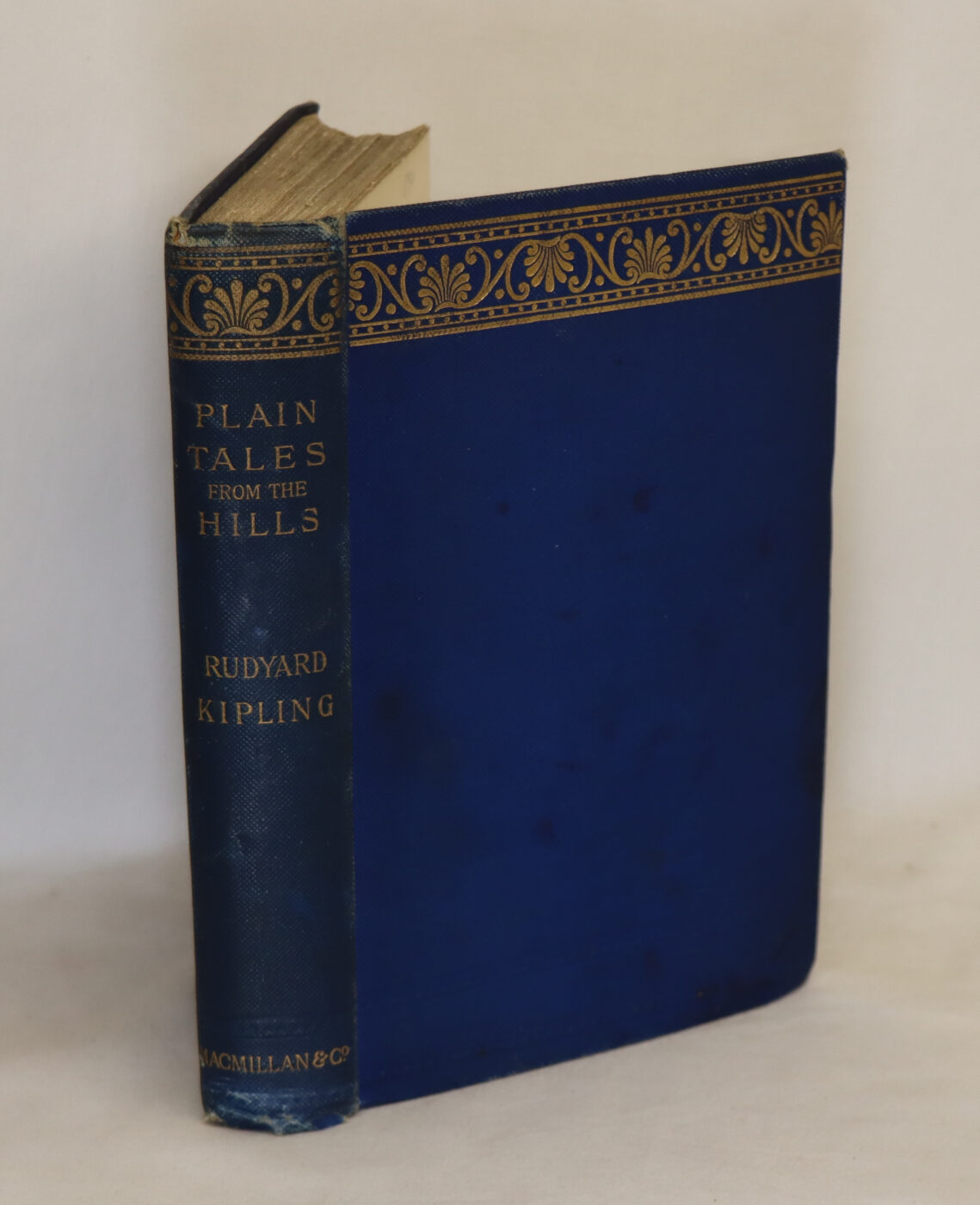
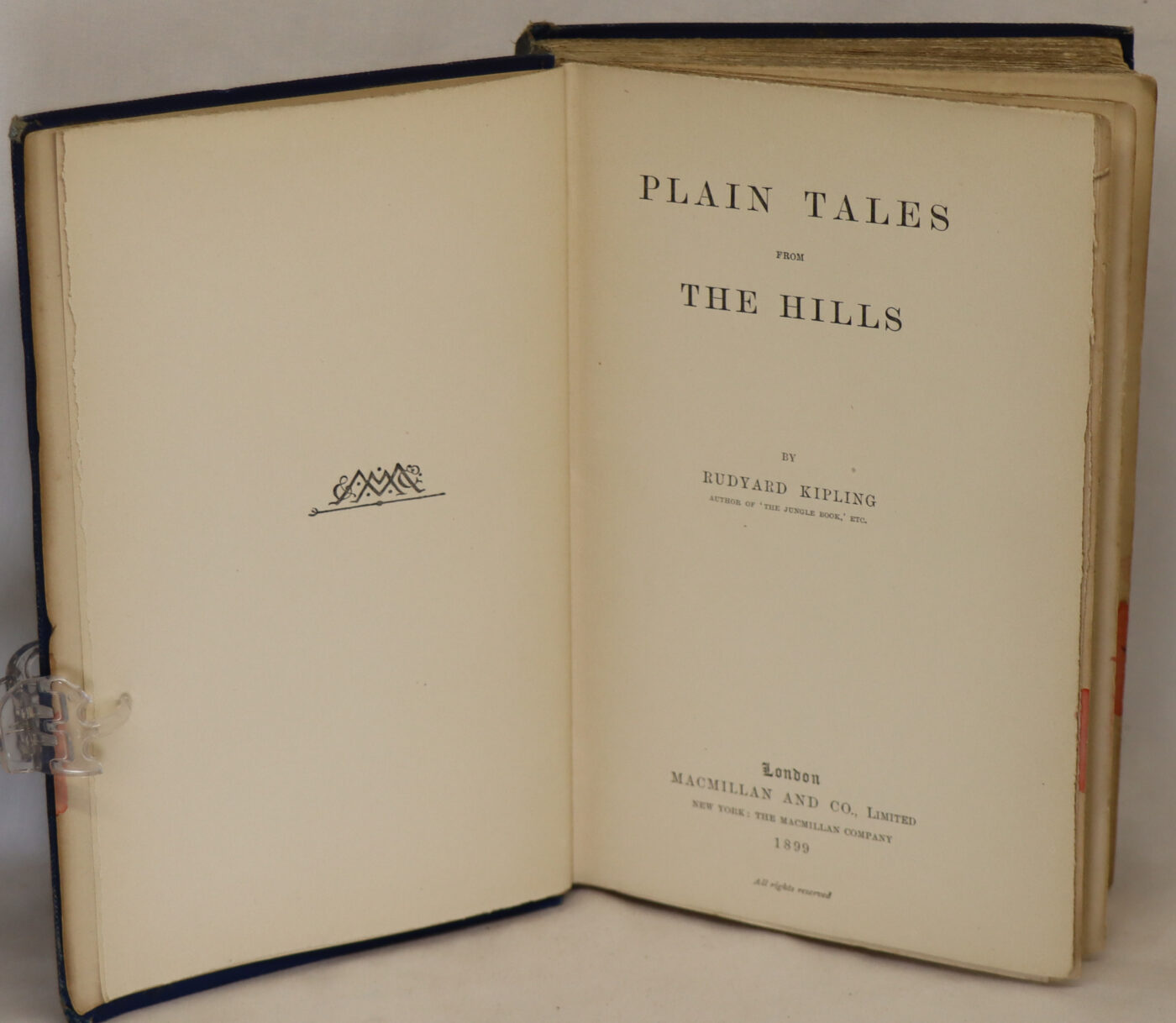
Plain Tales from the Hills.
By Rudyard Kipling
Printed: 1899
Publisher: Macmillan & Co. London
| Dimensions | 14 × 20 × 3 cm |
|---|---|
| Language |
Language: English
Size (cminches): 14 x 20 x 3
Condition: Fair (See explanation of ratings)
£16.00
Buy Now

Item information
Description
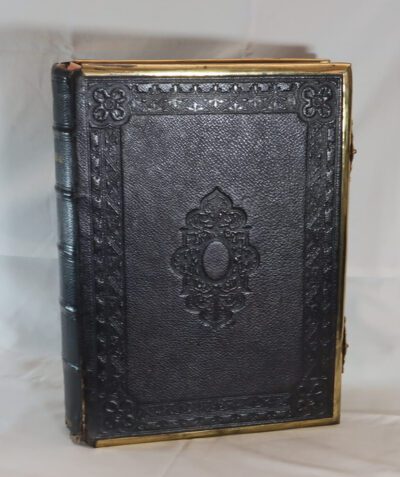
Navy cloth binding with gilt title on the spine.
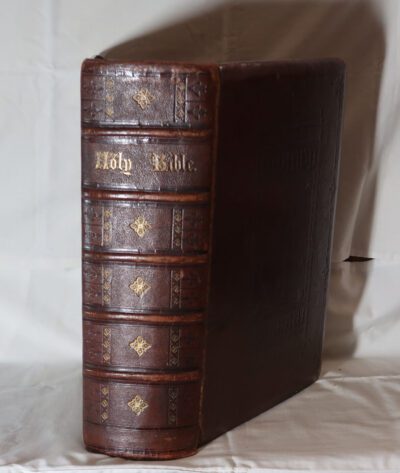
We provide an in-depth photographic presentation of this item to stimulate your feeling and touch. More traditional book descriptions are immediately available.
- Note: This book carries a £5.00 discount to those that subscribe to the F.B.A. mailing list
This copy of Plain Tales from the Hills by Rudyard Kipling is an early British reprint by Macmillan & Co. rather than a true first edition. Because it is a later printing in Fair condition, its retail value is modest, though exact pricing depends on the specific binding style and physical wear.
Edition & Bibliographic Context
- True First Edition. The collection was first published in 1888 in Calcutta by Thacker, Spink & Company, making first editions rare and high-value collector items.
- Macmillan London Printings. Macmillan acquired the British rights and began issuing the title in 1890 (starting with the third edition). Your 1899 copy (measuring roughly octavo size at 5.6 x 8 inches) belongs to their standard Uniform Edition or a contemporaneous late-Victorian reprint.
- Contents. The volume collects 40 short stories depicting Anglo-Indian life and military barracks in British India, introducing notable characters such as Mrs. Hauksbee and the “Soldiers Three”.
Estimated Market Value
Late-19th-century Macmillan reprints of Kipling’s works were produced in large print runs to meet massive Victorian demand. In Fair condition (typically indicating heavy wear to boards, loose hinges, foxing, or faded spine gilt), collector demand is low.
- Sample Comparable Listings. Early Macmillan hardcover reprints in “Good” condition currently list around £24.06 on AbeBooks.co.uk and £6.99 at Sians Attic, while an 1899 antique hardcover copy in “Good” condition lists for £12.73 on eBay UK.
- Condition Impact. Because your copy is graded Fair rather than Good or Very Good, its realistic resale value sits at the lower end of the market (typically used as a reading copy or decorative shelf piece).
Key Details to Check
Certain physical traits on the copyright page or binding can affect desirability:
- Binding Style. Standard Macmillan editions came in blue cloth with gilt spine lettering or maroon leather/cloth with a gilt elephant head medallion on the front cover.
- Printing History. The verso (back) of the title page usually lists the exact printing history from 1890 through 1899, confirming whether it is a standard trade reprint or part of a numbered collected set (such as the Edition de Luxe).
- Bookplates or Inscriptions. Previous ownership marks from notable figures or vintage Indian/British colonial bookshop labels can add minor historical interest.
Biography of Rudyard Kipling
Joseph Rudyard Kipling (30 December 1865 – 18 January 1936) was an English journalist, novelist, short-story writer, and poet who became the first English-language writer to receive the Nobel Prize in Literature in 1907. Renowned for his vivid storytelling about British India and classic children’s tales, he was one of the most popular writers in the United Kingdom during the late 19th and early 20th centuries.
Early Life & Education
- Birth in India. Kipling was born in Bombay (now Mumbai), British India, to John Lockwood Kipling, an architectural sculptor and museum curator, and Alice MacDonald.
- Childhood in England. At age five, he and his sister were sent to Southsea, England, where he lived for six miserable years in a strict foster home—an experience that later inspired his dark short story “Baa Baa, Black Sheep”.
- Schooling. He attended the United Services College in Devon from 1878 to 1882, a boarding school for sons of military officers that became the setting for his schoolboy stories in Stalky & Co..
Return to India & Literary Rise
- Journalism Career. Returning to India in 1882 at age sixteen, Kipling worked as an assistant editor and reporter for the Civil and Military Gazette in Lahore and The Pioneer in Allahabad.
- Early Breakthrough. His journalistic travels gave him deep access to Anglo-Indian society, army barracks, and local life. In 1888, he published six collections of short stories—including Plain Tales from the Hills—which turned him into an overnight literary sensation upon his return to London in 1889.
Marriage, Travels & Major Works
- Years in Vermont. In 1892, Kipling married Caroline “Carrie” Balestier, an American, and settled near Brattleboro, Vermont. During this productive period, he wrote The Jungle Book (1894), The Second Jungle Book (1895), and Captains Courageous (1897).
- Return to England. Following a bitter family dispute in Vermont, the Kiplings returned to England in 1896, eventually settling at Bateman’s, a 17th-century house in Burwash, East Sussex, in 1902.
- Peak Fame & Nobel Prize. He published his masterpiece novel Kim in 1901 and Just So Stories in 1902. In 1907, at age 41, he was awarded the Nobel Prize in Literature, making him the youngest recipient in the prize’s history.
Later Years & Legacy
- Personal Tragedies. Kipling’s later life was marked by profound grief, including the death of his eldest daughter, Josephine, from pneumonia in 1899, and the loss of his only son, John, at the Battle of Loos during the First World War in 1915.
- Imperialist Views & Reappraisal. Strongly associated with British imperialism—most famously through his 1899 poem “The White Man’s Burden”—his political reputation declined sharply after the First World War, though his technical mastery of narrative and verse (such as “If—” and “Gunga Din”) remained widely admired.
- Death. Kipling died of a perforated duodenal ulcer in London on 18 January 1936, and his ashes were interred in Poets’ Corner at Westminster Abbey.
How Kipling’s time as a young journalist in Lahore directly inspired the stories in your 1899 copy of Plain Tales from the Hills.
Rudyard Kipling’s seven years in Lahore (1882–1889) as an assistant editor at the Civil and Military Gazette directly shaped Plain Tales from the Hills. Twenty-eight of the forty stories in your 1899 volume originally appeared as short newspaper columns in that paper between November 1886 and June 1887.
The Lahore Newspaper Grind
- Strict Word Limits. Kipling’s editor, Stephen Wheeler, frequently needed short pieces to fill empty newspaper columns. This forced Kipling to write under tight space limits (often around 1,500 to 2,000 words), creating his signature punchy, compressed prose style.
- Daily Editorial Immersion. As the paper’s sub-editor, Kipling processed telegrams, crime reports, and official government dispatches from across British India. These real-life bulletins served as raw material for his plots about bureaucratic blunders, court intrigues, and frontier skirmishes.
Settings & Real-Life Inspiration
- Summers in Simla (“The Hills”). Each summer, Kipling escaped the blistering heat of Lahore to cover the seasonal relocation of the British colonial government to Simla in the Himalayan foothills. The gossip, balls, and romantic rivalries he observed at the Punjab Club and Simla resorts inspired characters like the manipulative socialite Mrs. Hauksbee in stories such as “Three and—an Extra”.
- Lahore Cantonment & Barracks. At the Mian Mir military cantonment near Lahore, Kipling spent hours drinking and talking with rank-and-file British soldiers. Their distinct regional accents, dark humour, and hardships inspired the recurring “Soldiers Three”—Mulvaney, Ortheris, and Learoyd—featured in tales like “The Three Musketeers” and “The Taking of Lungtungpen”.
- Nightlife & Local Underworld. Suffering from severe insomnia during the hot Lahore summers, Kipling wandered the narrow alleys of the Walled City and local opium dens at night. These nocturnal walks informed darker, atmospheric stories about cross-cultural relationships and tragic misunderstandings, including “Lispeth”, “Beyond the Pale”, and “The Gate of the Hundred Sorrows”.
The Insider-Outsider Perspective
- Club Membership. Through his father’s respected position as curator of the Lahore Museum, young Kipling gained access to the exclusive Punjab Club. Sitting quietly in the corner after work, he listened to senior civil servants, engineers, and army officers complain about colonial administration, giving his stories an authentic, insider tone despite his young age (he was only 21 when most were published).
NOTE: This is an original book from the library gathered by the famous Cambridge Don, computer scientist, food and wine connoisseur, Jack Arnold LANG. Note: Jack founded the Michelin Guide ‘Midsummer House’- Cambridge’s paramount restaurant. This dining experience is hidden amongst the grassy pastures and grazing cattle of Midsummer Common and perched on the banks of the River Cam.
In 2008, Jack was one of the co-founders of the Raspberry Pi Foundation, alongside other members of the Department, and acted as the Foundation’s Chair. The project’s original goals were modest: to build and distribute low-cost computers for prospective applicants to our Computer Science degree. Initially the project was a “success disaster”, as Jack would say, as demand far outstripped the low-scale manufacturing plans. Ultimately the Raspberry Pi became the UK’s most successful computer with more than 60 million sold to date. Jack was drawn to the educational possibilities of the Raspberry Pi, its potential uses in emerging economies and the way it could support self-directed learning.
Want to know more about this item?
We are happy to answer any questions you may have about this item. In addition, it is also possible to request more photographs if there is something specific you want illustrated.
Ask a question
Related products
Share this Page with a friend
