


What is an Incunable or Incunabulum
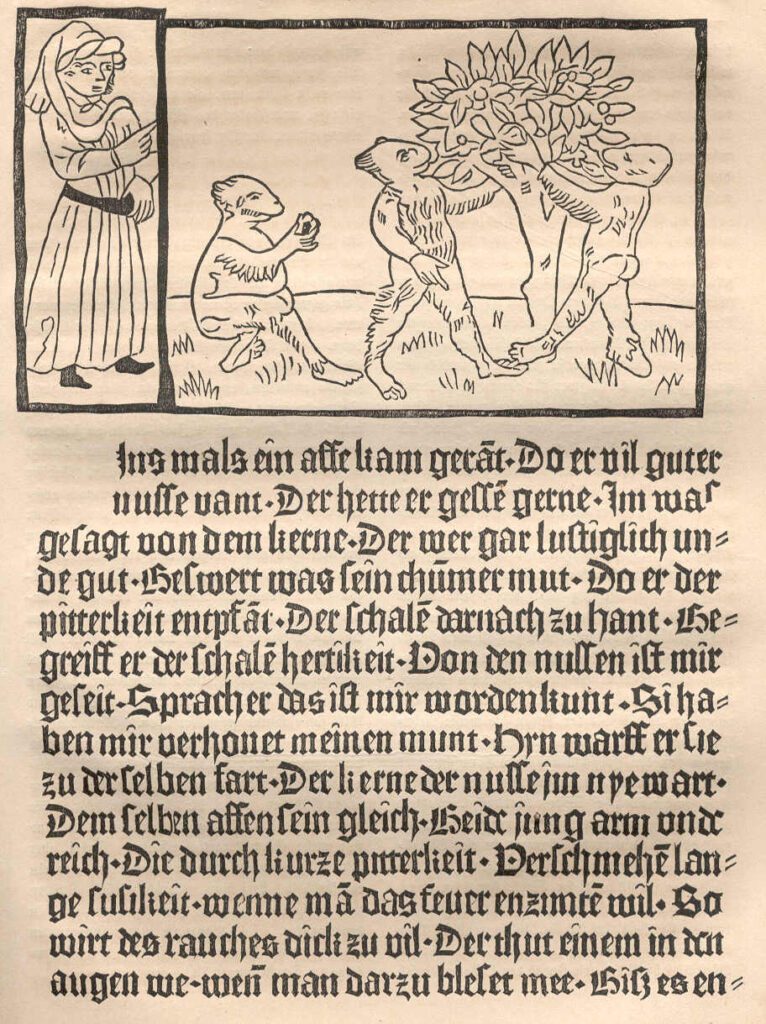
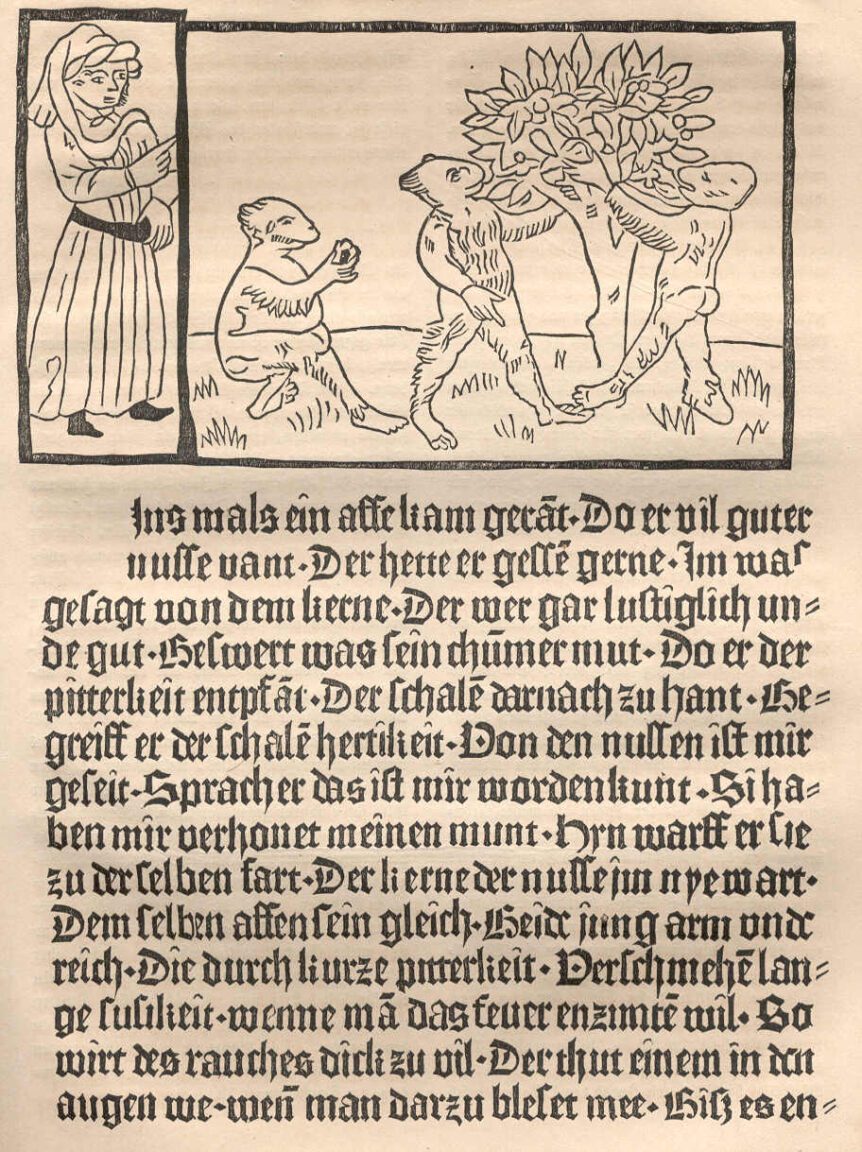
An incunable or incunabulum (pl.: incunables or incunabula, respectively) is a book, pamphlet, or broadside that was printed in the earliest stages of printing in Europe, up to the year 1500. The specific date is essentially arbitrary, but the number of printed book editions exploded in the following century, so that all incunabula, produced before the printing press became widespread in Europe, are rare, where even some early 16th-century books are relatively common. They are distinct from manuscripts, which are documents written by hand. Some authorities on the history of printing include block books from the same time period as incunabula, whereas others limit the term to works printed using movable type.
Terminology
As of 2021, there are about 30,000 distinct incunable editions known.The probable number of surviving individual copies is much higher, estimated at 125,000 in Germany alone.Through statistical analysis, it is estimated that the number of lost editions is at least 20,000.Around 550,000 copies of around 27,500 different works have been preserved worldwide.
Incunable is the anglicised form of incunabulum, reconstructed singular of Latin incunabula, which meant “swaddling clothes”, or “cradle”,which could metaphorically refer to “the earliest stages or first traces in the development”.A former term for incunable is fifteener, meaning “fifteenth-century edition”.
The term incunabula was first used in the context of printing by the Dutch physician and humanist Hadrianus Junius (Adriaen de Jonghe, 1511–1575), in a passage in his work Batavia (written in 1569; published posthumously in 1588). He referred to a period “inter prima artis [typographicae] incunabula” (“in the first infancy of the typographic art”).The term has sometimes been incorrectly attributed to Bernhard von Mallinckrodt (1591–1664), in his Latin pamphlet De ortu ac progressu artis typographicae (“On the rise and progress of the typographic art”; 1640), but he was quoting Junius.
The term incunabula came to denote printed books themselves in the late 17th century. It is not found in English before the mid-19th century.Junius set an end-date of 1500 to his era of incunabula, which remains the convention in modern bibliographical scholarship.This convenient but arbitrary end-date for identifying a printed book as an incunable does not reflect changes in the printing process, and many books printed for some years after 1500 are visually indistinguishable from incunables. The term “post-incunable” is now used to refer to books printed after 1500 up to 1520 or 1540, without general agreement. From around this period the dating of any edition becomes easier, as the practice of printing the place and year of publication using a colophon or on the title page became more widespread.
Types
There are two types of printed incunabula: the block book, printed from a single carved or sculpted wooden block for each page (the same process as the woodcut in art, called xylographic); and the typographic book, made by individual cast-metal movable type pieces on a printing press. Many authors reserve the term “incunabula” for the latter.
The spread of printing to cities both in the North and in Italy ensured that there was great variety in the texts and the styles which appeared. Many early typefaces were modelled on local writing or derived from various European Gothic scripts, but there were also some derived from documentary scripts like Caxton’s, and, particularly in Italy, types modelled on handwritten scripts and calligraphy used by humanists. Printers congregated in urban centres where there were scholars, ecclesiastics, lawyers, and nobles and professionals who formed their major customer base. Standard works in Latin inherited from the medieval tradition formed the bulk of the earliest printed works, but as books became cheaper, vernacular works (or translations into vernaculars of standard works) began to appear.
Famous examples
Famous incunabula include two from Mainz, the Gutenberg Bible of 1455 and the Peregrinatio in terram sanctam of 1486, printed and illustrated by Erhard Reuwich; the Nuremberg Chronicle written by Hartmann Schedel and printed by Anton Koberger in 1493; and the Hypnerotomachia Poliphili printed by Aldus Manutius with important illustrations by an unknown artist. Other printers of incunabula were Günther Zainer of Augsburg, Johannes Mentelin and Heinrich Eggestein of Strasbourg, Heinrich Gran of Haguenau, Johann Amerbach of Basel, William Caxton of Bruges and London, and Nicolas Jenson of Venice. The first incunable to have woodcut illustrations was Ulrich Boner’s Der Edelstein, printed by Albrecht Pfister in Bamberg in 1461.
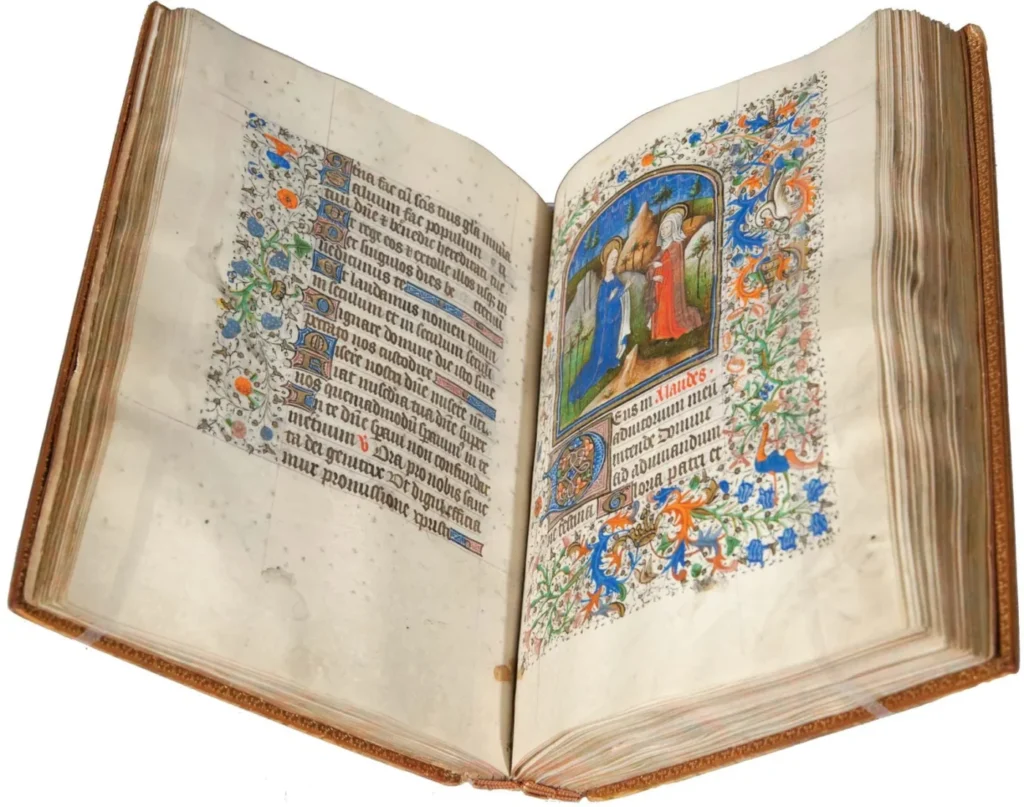
The Gould Hours. book of hours, Illuminated by Marc Coussin, c. 1460
A finding in 2015 brought evidence of quires, as claimed by research, possibly printed in 1444–1446 and possibly assigned to Procopius Waldvogel of Avignon, France.
Post-incunable
Many incunabula are undated, needing complex bibliographical analysis to place them correctly. The post-incunabula period marks a time of development during which the printed book evolved fully as a mature artefact with a standard format. After about 1540 books tended to conform to a pattern that included the author, title-page, date, seller, and place of printing. This makes it much easier to identify any particular edition.
As noted above, the end date for identifying a printed book as an incunable is convenient but was chosen arbitrarily; it does not reflect any notable developments in the printing process around the year 1500. Books printed for a number of years after 1500 continued to look much like incunables, with the notable exception of the small format books printed in italic type introduced by Aldus Manutius in 1501. The term post-incunable is sometimes used to refer to books printed “after 1500—how long after, the experts have not yet agreed.”For books printed in England, the term generally covers 1501–1520, and for books printed in mainland Europe, 1501–1540.
One notable example from this period is Hakob Meghapart (Hagop Meghapart), who in 1512 became the first known printer of Armenian books. Working in Venice, he published Urbatagirk (The Book of Friday) and several other early Armenian printed works. His books retained characteristics of manuscript tradition, including red and black ink and decorative initials, aligning them stylistically with incunabula despite being post-incunable by definition.
This is an article produced to assist Martin Frost’s readers
