
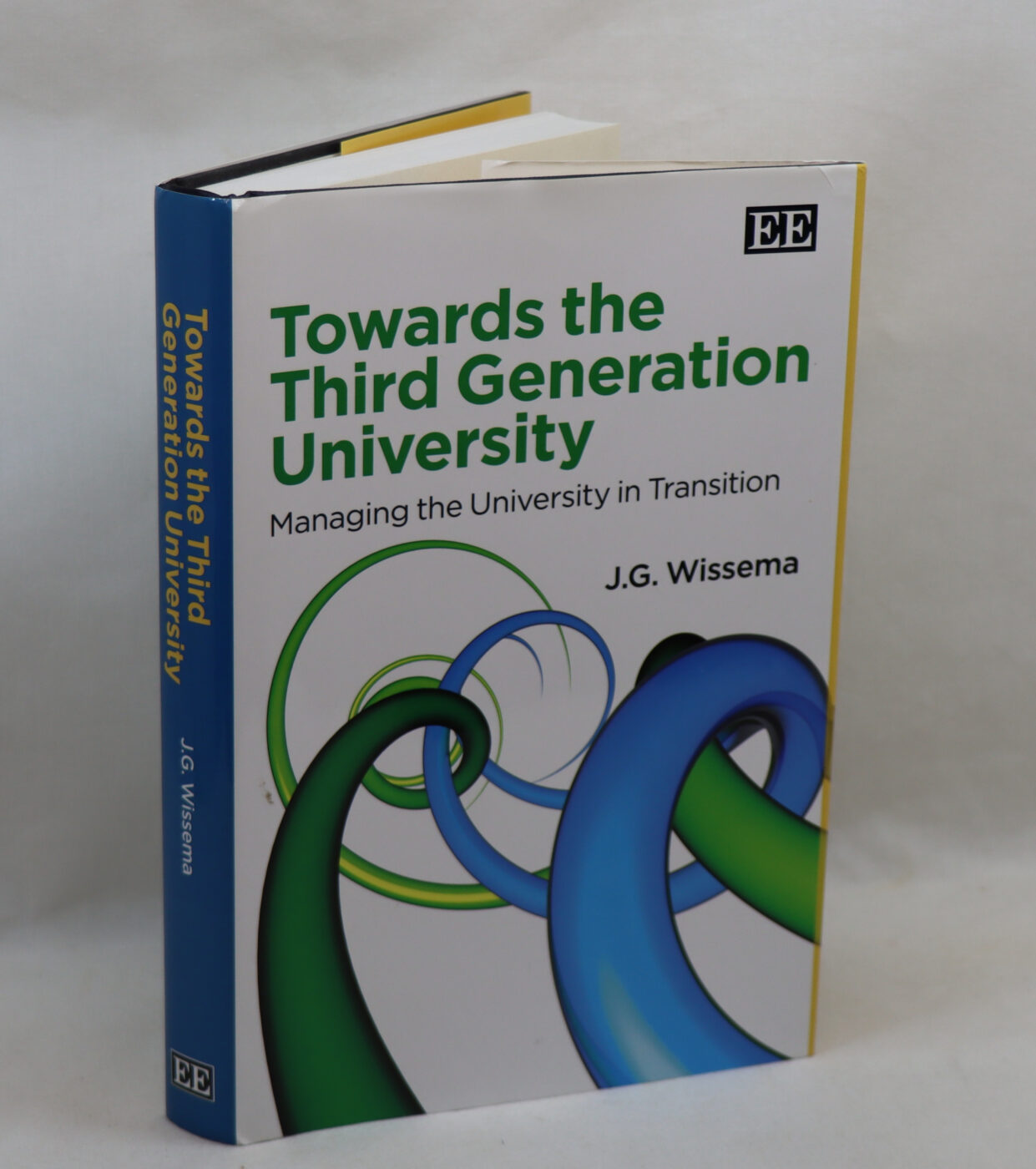
Towards the Third Generation University.
By J G Wissema
ISBN: 9781848446182
Printed: 2009
Publisher: Edward Elgar Publishing. Massachusetts
| Dimensions | 17 × 24 × 3 cm |
|---|---|
| Language |
Language: English
Size (cminches): 17 x 24 x 3
Condition: Very good (See explanation of ratings)
£96.00
Buy Now
Your items

Item information
Description
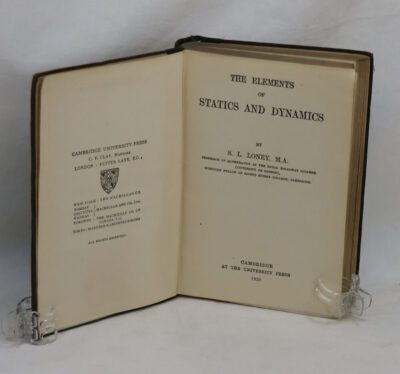
In the original dust cover. Black cloth binding with gilt title on the spine.
We provide an in-depth photographic presentation of this item to stimulate your feeling and touch. More traditional book descriptions are immediately available
Note: This book carries a £5.00 discount to those that subscribe to the F.B.A. mailing list
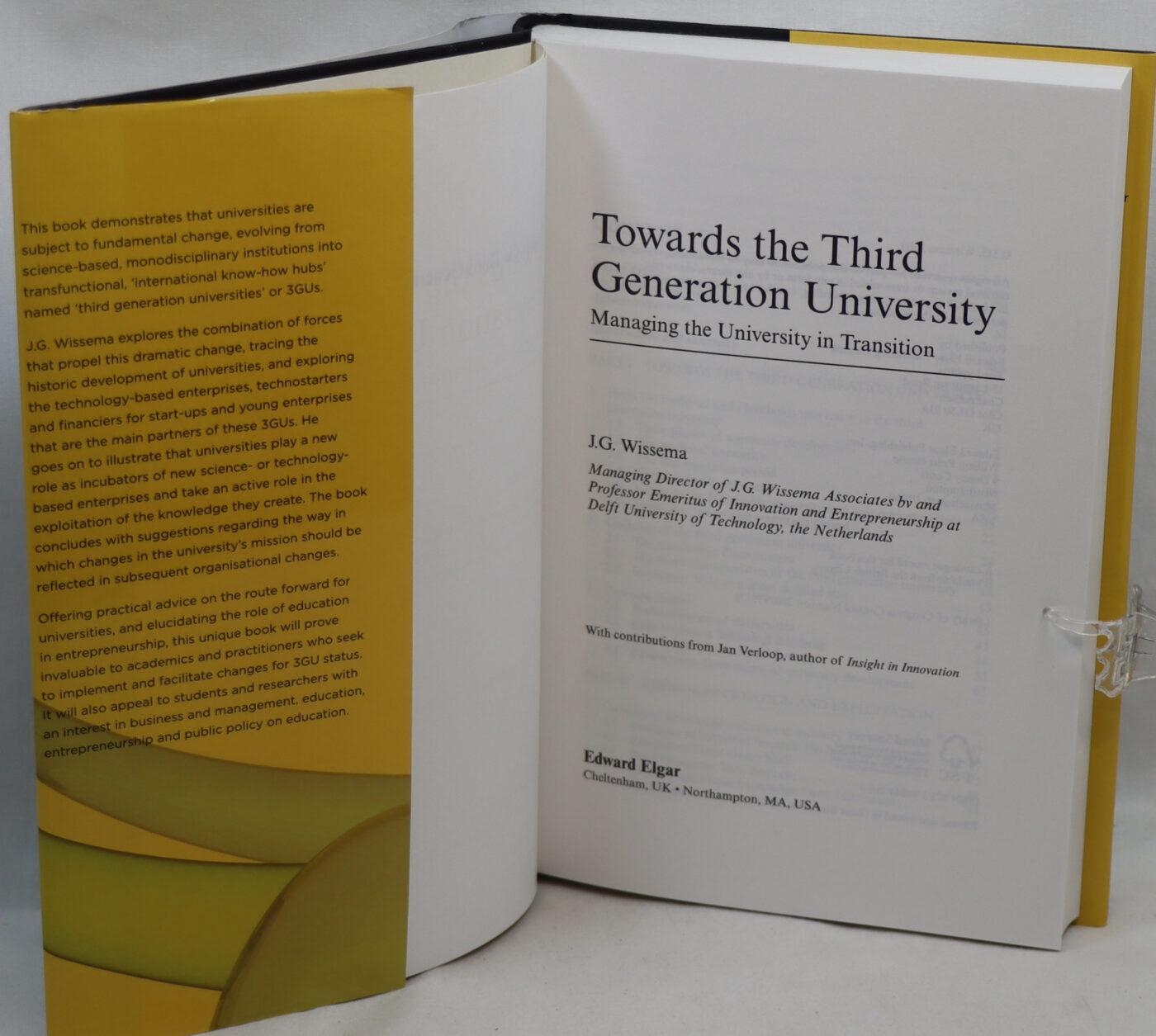
This book demonstrates that universities are subject to fundamental change, evolving from science-based, monodisciplinary institutions into transfunctional, ‘international know-how hubs’ named ‘third generation universities’ or 3GUs.
J.G. Wissema explores the combination of forces that propel this dramatic change, tracing the historic development of universities, and exploring the technology-based enterprises, technostarters and financiers for start-ups and young enterprises that are the main partners of these 3GUs. He goes on to illustrate that universities play a new role as incubators of new science- or technology-based enterprises and take an active role in the exploitation of the knowledge they create. The book concludes with suggestions regarding the way in which changes in the university’s mission should be reflected in subsequent organisational changes. Offering practical advice on the route forward for universities, and elucidating the role of education in entrepreneurship, this unique book will prove invaluable to academics and practitioners who seek to implement and facilitate changes for 3GU status. It will also appeal to students and researchers with an interest in business and management, education, entrepreneurship and public policy on education.
Hans Wissema (www.wissema.com) is a leading management guru and author of 16 books on management. His book Towards the Third Generation University, a guideline for universities the world over, has been translated into Polish, Turkish, Russian and Macedonian with translations into Arabic, Chinese and Farsi forthcoming. He recently published Siberian Lessons on Life, Love and Death, a philosophical novel with lessons on life in the form of a travelogue. It helps readers to understand themselves and move forward. Readers say it has changed their lives. His aim is simple: helping people and organisations moving along.
NOTE: This is an original book from the library gathered by the famous Cambridge Don, computer scientist, food and wine connoisseur, Jack Arnold LANG. Note: Jack founded the Michelin Guide ‘Midsummer House’- Cambridge’s paramount restaurant. This dining experience is hidden amongst the grassy pastures and grazing cattle of Midsummer Common and perched on the banks of the River Cam.
In 2008, Jack was one of the co-founders of the Raspberry Pi Foundation, alongside other members of the Department, and acted as the Foundation’s Chair. The project’s original goals were modest: to build and distribute low-cost computers for prospective applicants to our Computer Science degree. Initially the project was a “success disaster”, as Jack would say, as demand far outstripped the low-scale manufacturing plans. Ultimately the Raspberry Pi became the UK’s most successful computer with more than 60 million sold to date. Jack was drawn to the educational possibilities of the Raspberry Pi, its potential uses in emerging economies and the way it could support self-directed learning.
Want to know more about this item?
We are happy to answer any questions you may have about this item. In addition, it is also possible to request more photographs if there is something specific you want illustrated.
Ask a question





Share this Page with a friend
