
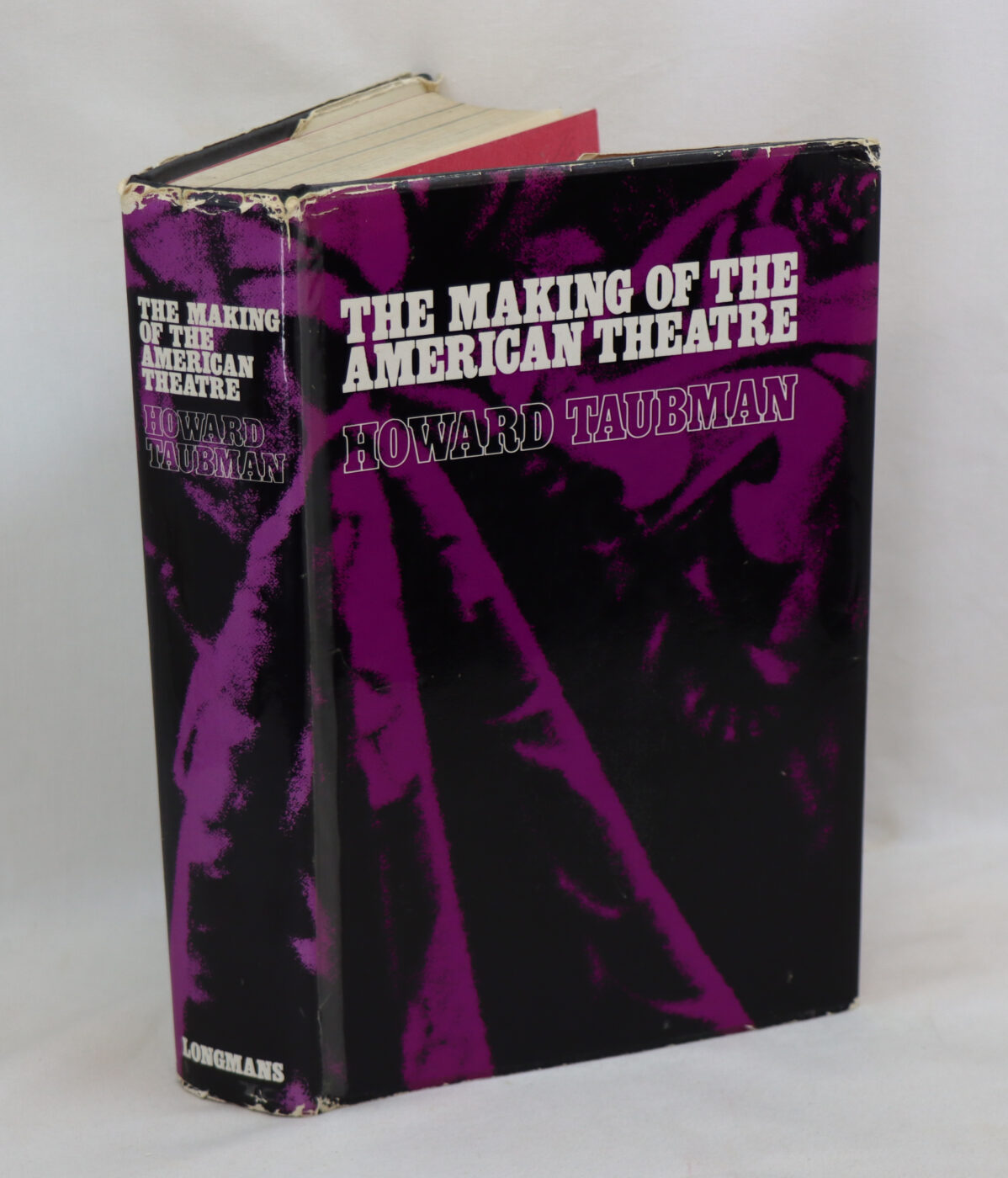
The Making of the American Theatre.
By Howard Taubman
Printed: 1967
Publisher: Longmans Green & Co. Lonodn
| Dimensions | 16 × 23 × 4 cm |
|---|---|
| Language |
Language: English
Size (cminches): 16 x 23 x 4
Condition: Good (See explanation of ratings)
£34.00
Buy Now
Your items

Item information
Description
In the original dust cover. Red cloth binding with gilt title on the spine. Dust cover worn.
We provide an in-depth photographic presentation of this item to stimulate your feeling and touch. More traditional book descriptions are immediately available
- Note: This book carries a £5.00 discount to those that subscribe to the F.B.A. mailing list
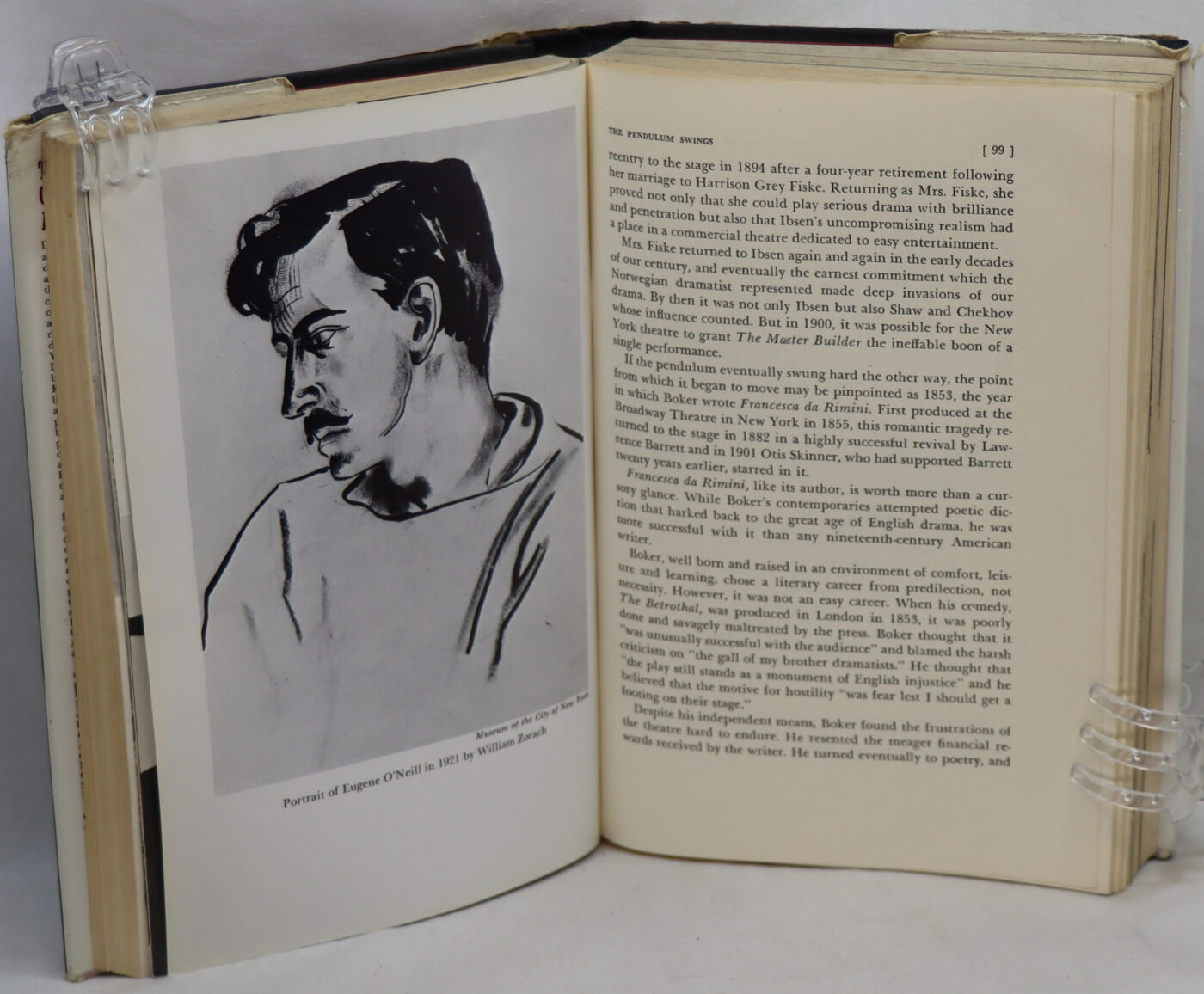
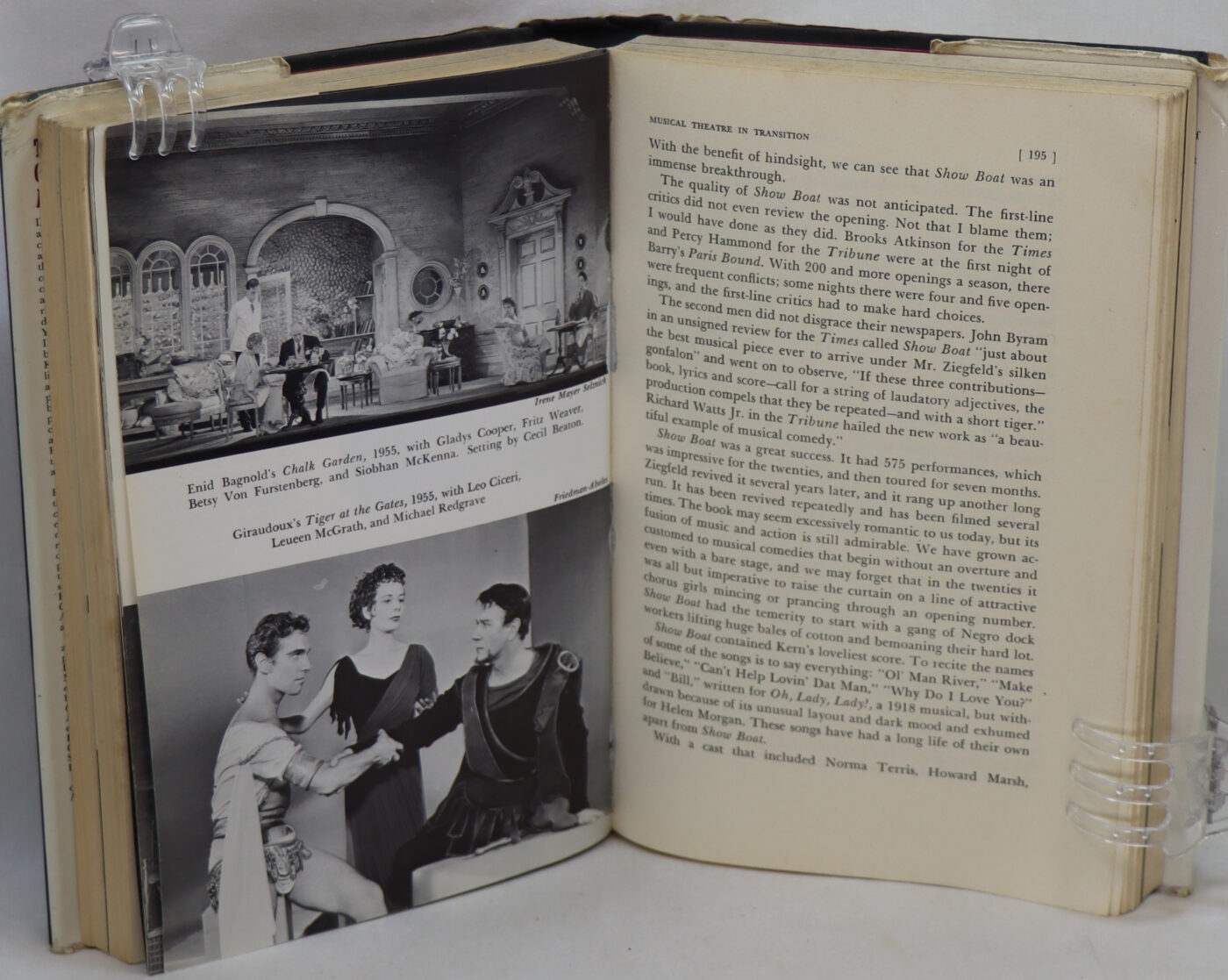
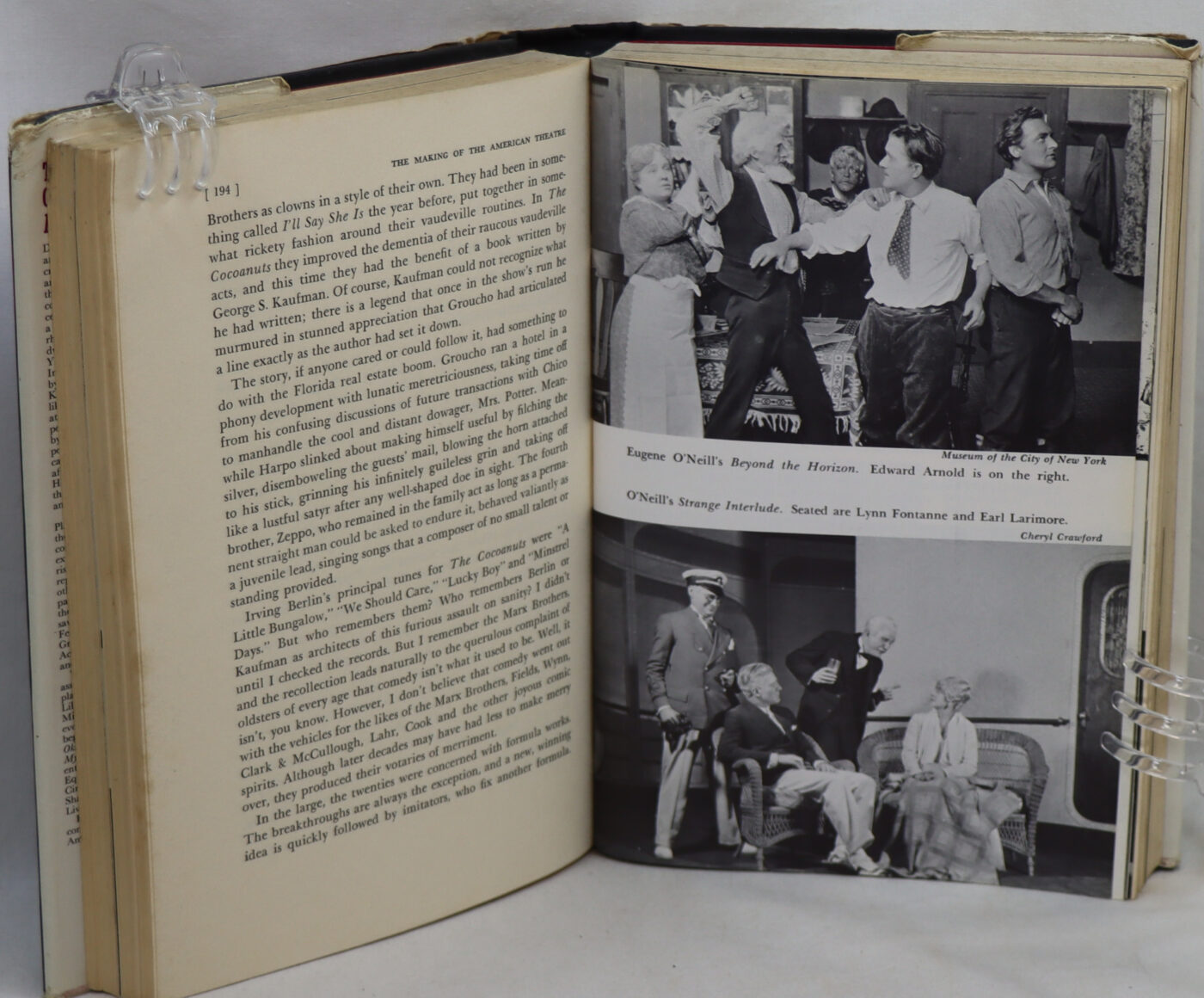
The Making of the American Theatre by Howard Taubman is a comprehensive historical account detailing the evolution of U.S. theatre from colonial times to the 1960s. Published by Coward McCann (1965) and later Longmans Green (1967), it covers acting, directing, and major theatrical movements.
Key Details About the Book:
- Author: Howard Taubman, a renowned American critic and journalist.
- Content: Traces the rise of the American theatre, including the development of drama, the influence of new forces in the 20th century, and major theatrical milestones.
- Publication History:
- First edition was published by Coward McCann, Inc. in 1965.
- A later edition, or printing, was published by Longmans Green & Co. in 1967.
This book is considered a significant survey of American theatrical history, exploring both the successes and the evolving nature of the stage.
Hyman Howard Taubman (July 4, 1907 – January 8, 1996) was an American music critic, theater critic, and author. Born in Manhattan, Taubman attended DeWitt Clinton High School and then won a four-year scholarship to Cornell University, from which he graduated, as a Phi Beta Kappa member, in 1929. He then returned to New York and began working for The New York Times. He joined the Music Department there in 1930. In 1935, he was named Music Editor. For about a year, from 1944 to 1945, Taubman served in the Army and worked in Italy as a writer for Stars and Stripes.
In 1955, he became the chief music critic at the Times, replacing Olin Downes upon Downes’ death. Also in the 1950s, Taubman acted as the ghostwriter of Marian Anderson’s autobiography My Lord, What a Morning. In 1960, he took the post of chief drama critic for the Times after Brooks Atkinson retired from that position. Taubman remained in that role until 1965. In 1961, Taubman, along with six other theater critics, was the victim of a famous hoax when Broadway producer David Merrick placed a newspaper ad for his show Subways Are for Sleeping. The ad appeared to quote praise from Taubman, Walter Kerr, and other prominent New York critics for the commercially faltering musical. The individuals quoted, however, were not the theater critics themselves, but like-named New Yorkers hired by Merrick to provide positive quotes. From 1966 until he retired in 1972, Taubman was a critic-at-large for the Times writing about cultural events from around the globe. After retiring from the Times, Taubman worked as a consultant to Exxon Corporation for the PBS series Great Performances.
Taubman was the author of several books, primarily related to music. He was the recipient of honorary degrees from the Philadelphia Academy of Music, Oberlin College, and Temple University. Taubman was twice married and the father of two sons, William and Philip. Taubman died in Sarasota, Florida, at the age of 88.
NOTE: This is an original book from the library gathered by the famous Cambridge Don, computer scientist, food and wine connoisseur, Jack Arnold LANG. Note: Jack founded the Michelin Guide ‘Midsummer House’- Cambridge’s paramount restaurant. This dining experience is hidden amongst the grassy pastures and grazing cattle of Midsummer Common and perched on the banks of the River Cam.
In 2008, Jack was one of the co-founders of the Raspberry Pi Foundation, alongside other members of the Department, and acted as the Foundation’s Chair. The project’s original goals were modest: to build and distribute low-cost computers for prospective applicants to our Computer Science degree. Initially the project was a “success disaster”, as Jack would say, as demand far outstripped the low-scale manufacturing plans. Ultimately the Raspberry Pi became the UK’s most successful computer with more than 60 million sold to date. Jack was drawn to the educational possibilities of the Raspberry Pi, its potential uses in emerging economies and the way it could support self-directed learning.
Want to know more about this item?
We are happy to answer any questions you may have about this item. In addition, it is also possible to request more photographs if there is something specific you want illustrated.
Ask a question
Related products




Share this Page with a friend
