
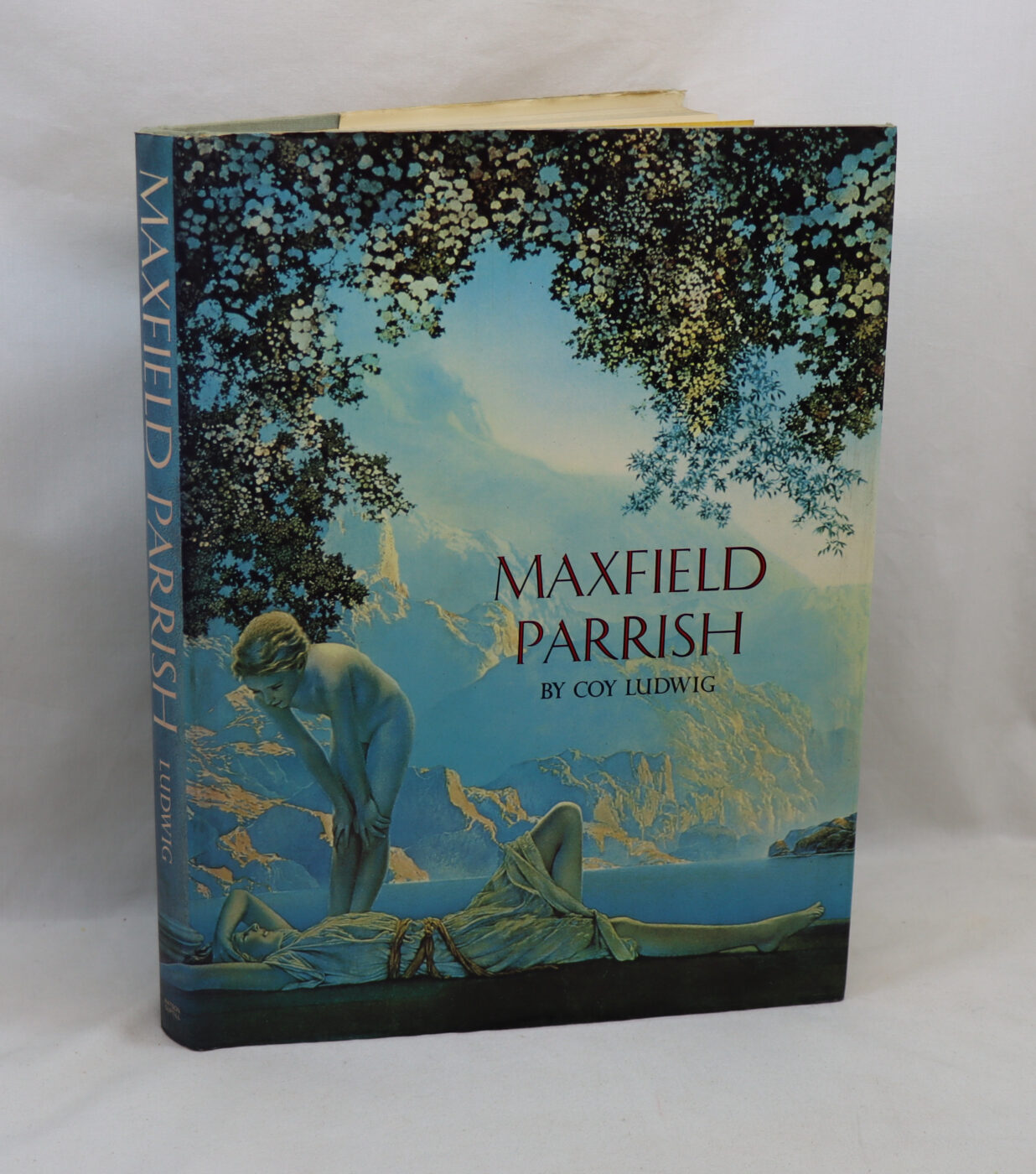
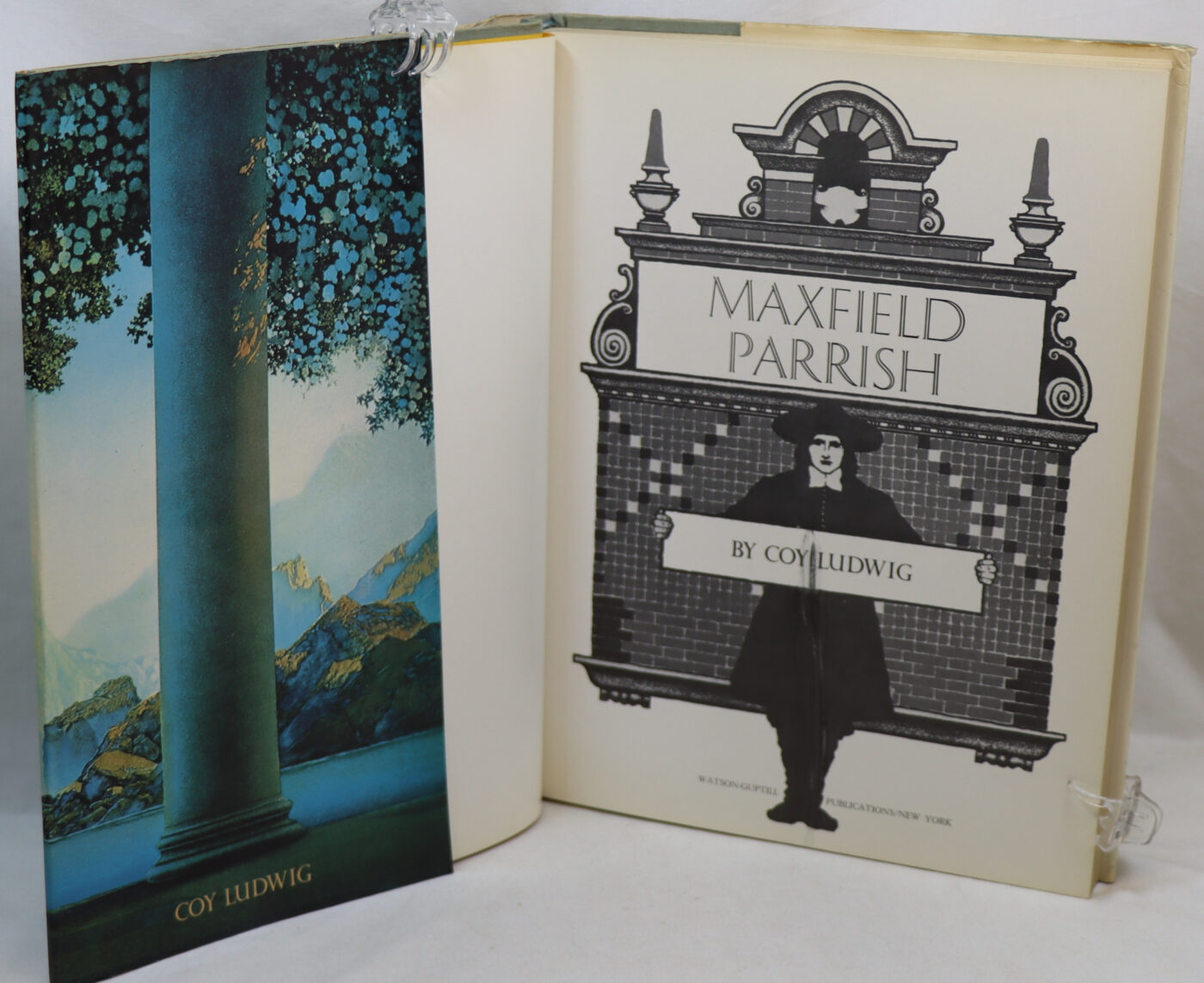
Maxfield Parrish.
By Coy Ludwig
Printed: 1974
Publisher: Watson-Guptill. New York
| Dimensions | 24 × 31 × 3 cm |
|---|---|
| Language |
Language: English
Size (cminches): 24 x 31 x 3
Condition: Very good (See explanation of ratings)
£104.00
Buy Now

Item information
Description
In the original dust cover. Blue cloth binding with yellow title on the spine and front board.
We provide an in-depth photographic presentation of this item to stimulate your feeling and touch. More traditional book descriptions are immediately available
Note: This book carries a £5.00 discount to those that subscribe to the F.B.A. mailing list
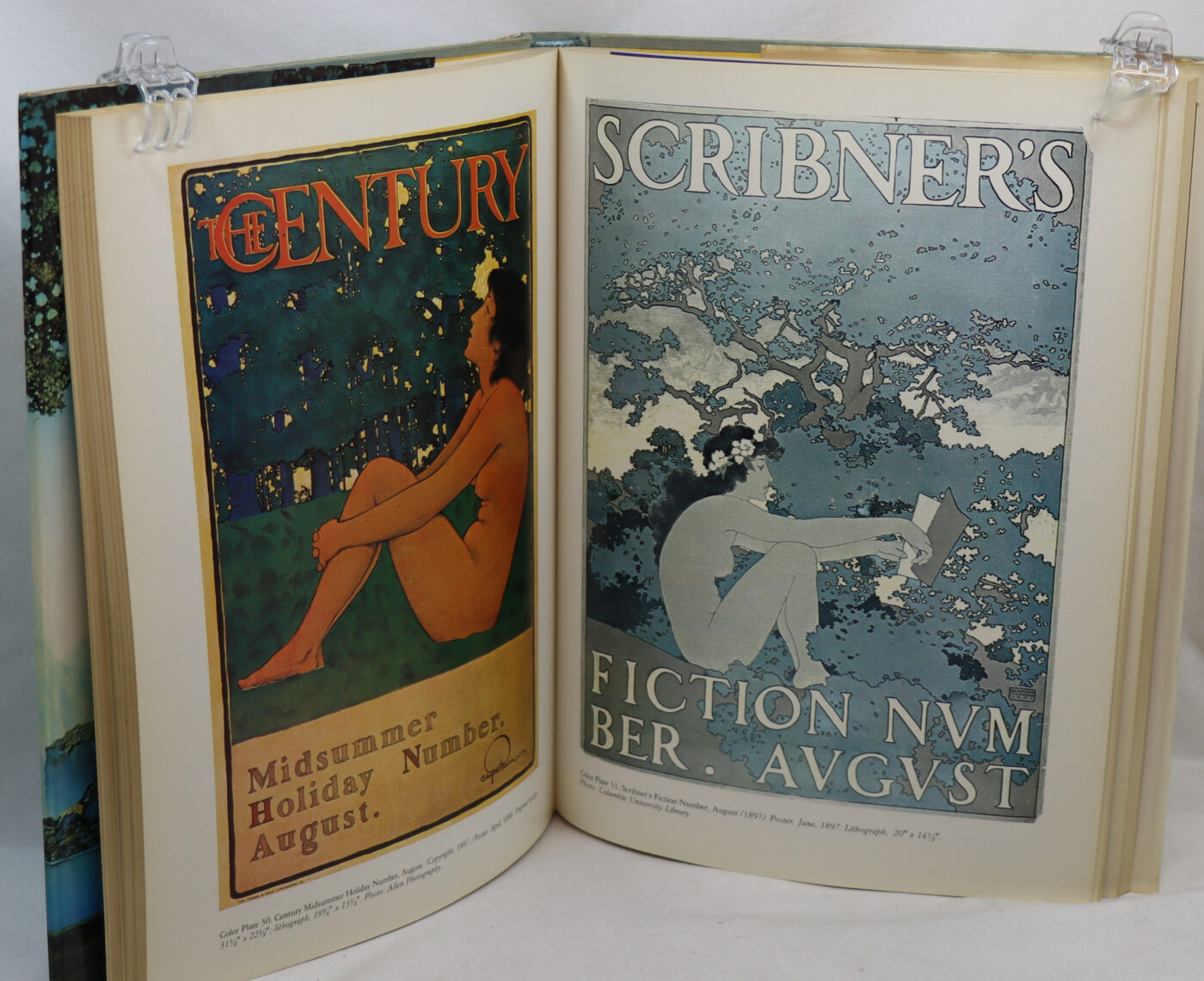
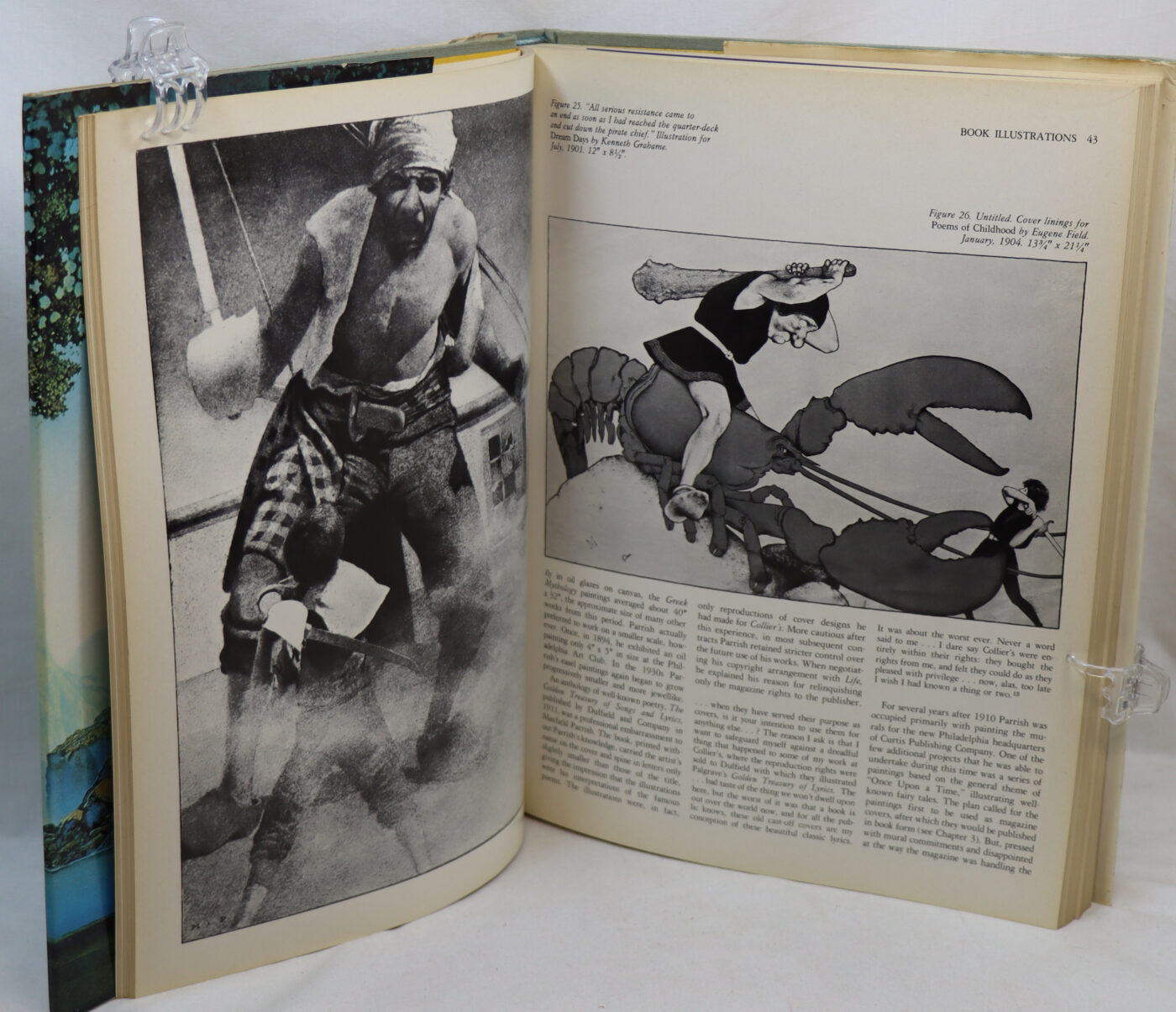
[223] pp. Watson-Guptill Publications 1974 12 1/4″ x 9 1/2″ Maxfield Parrish (July 25, 1870 March 30, 1966) was an American painter and illustrator active in the first half of the 20th century. He is known for his distinctive saturated hues and idealized neo-classical imagery. His career spanned fifty years and was wildly successful. A compendium of the life and work of Maxfield Parrish, it is an essential part of a Parrish library. For the collector, the publisher has included a value guide to some of the products that bear Parrish images. Examples of Parrish’s most famous book illustrations are shown, including selections from Mother Goose in Prose and the Arabian Nights. Also included are his famous magazine covers-from Life, Collier’s, Harper’s Weekly, etc., as well as all the landscapes that he painted for Brown and Bigelow, who reproduced them as calendars every year from 1936 to 1963. One of the highlights of the book is the chapter on Parrish’s technique, examining in depth his materials, favorite methods, and unique way of painting. In addition, there is a lengthy excerpt from an unpublished manuscript by Maxfield Parrish, Jr., explaining step-by-step his father’s glazing technique and use of photography in his work. This definitive study also contains numerous revealing excerpts from Parrish’s unpublished correspondence with family, friends, and clients.
NOTE: This is an original book from the library gathered by the famous Cambridge Don, computer scientist, food and wine connoisseur, Jack Arnold LANG. Note: Jack founded the Michelin Guide ‘Midsummer House’- Cambridge’s paramount restaurant. This dining experience is hidden amongst the grassy pastures and grazing cattle of Midsummer Common and perched on the banks of the River Cam.
In 2008, Jack was one of the co-founders of the Raspberry Pi Foundation, alongside other members of the Department, and acted as the Foundation’s Chair. The project’s original goals were modest: to build and distribute low-cost computers for prospective applicants to our Computer Science degree. Initially the project was a “success disaster”, as Jack would say, as demand far outstripped the low-scale manufacturing plans. Ultimately the Raspberry Pi became the UK’s most successful computer with more than 60 million sold to date. Jack was drawn to the educational possibilities of the Raspberry Pi, its potential uses in emerging economies and the way it could support self-directed learning.
Want to know more about this item?
We are happy to answer any questions you may have about this item. In addition, it is also possible to request more photographs if there is something specific you want illustrated.
Ask a question
Related products



Share this Page with a friend
