
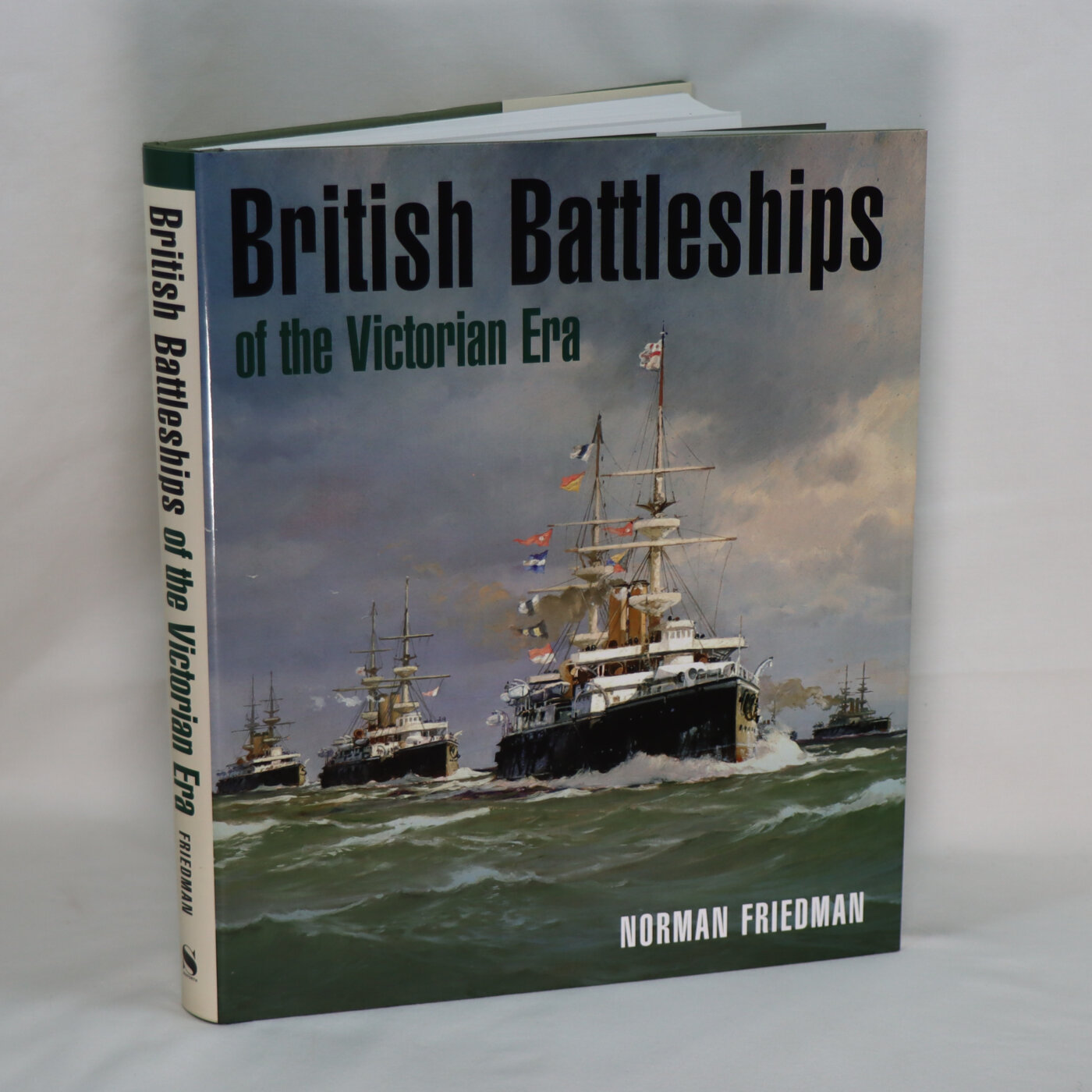
British Battleships of the Victorian Era.
By Norman Friedman
ISBN: 9781682473290
Printed: 2018
Publisher: Seaforth Publishing. Barnsley
| Dimensions | 26 × 30 × 3 cm |
|---|---|
| Language |
Language: English
Size (cminches): 26 x 30 x 3
Condition: As new (See explanation of ratings)
£25.00
Buy Now



Item information
Description
In the original dust jacket. Green cloth binding with gilt title on the spine.
- We provide an in-depth photographic presentation of this item to stimulate your feeling and touch. More traditional book descriptions are immediately available.
- Note: This book carries the £5.00 discount to those that subscribe to the F.B.A. mailing list.
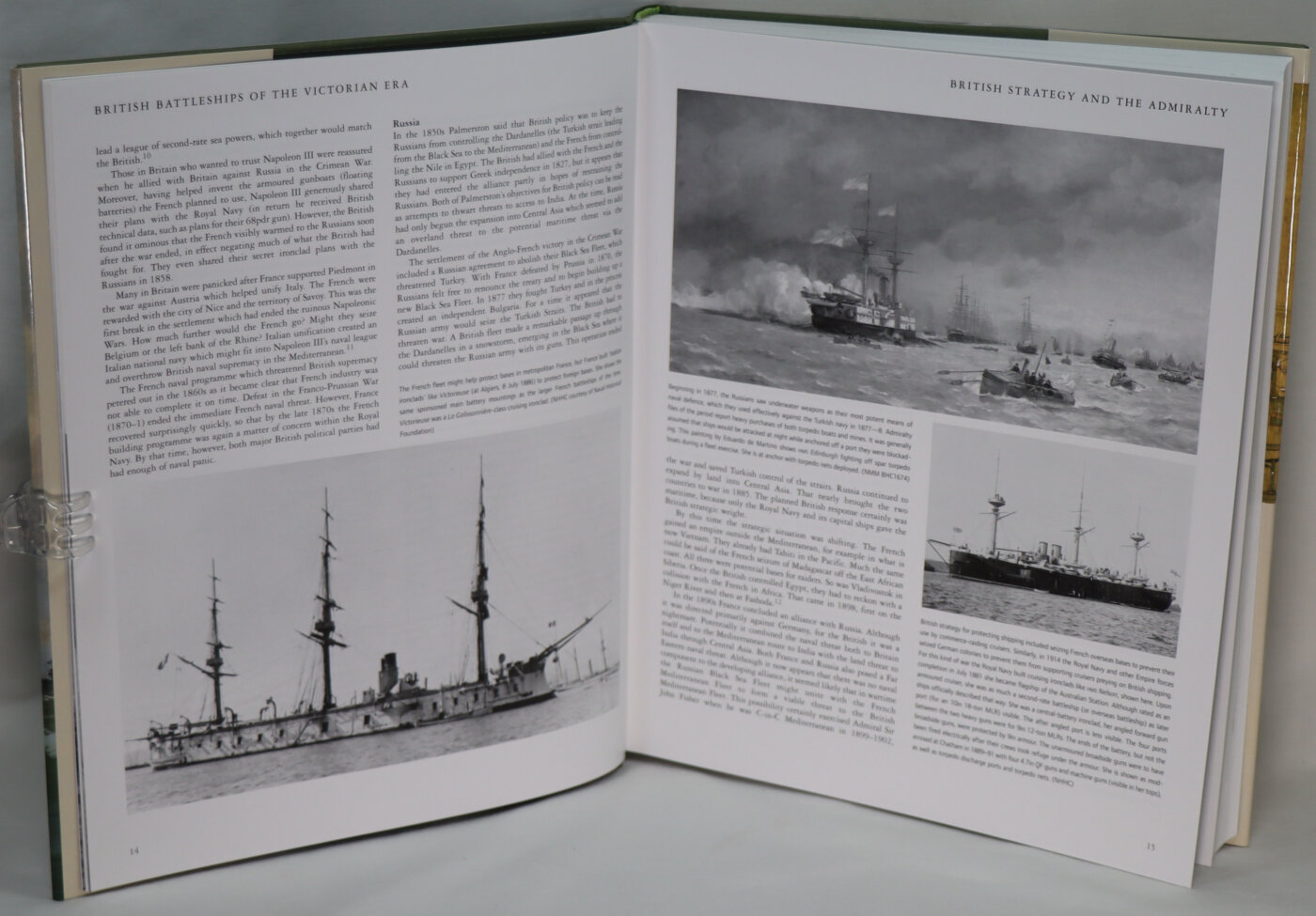
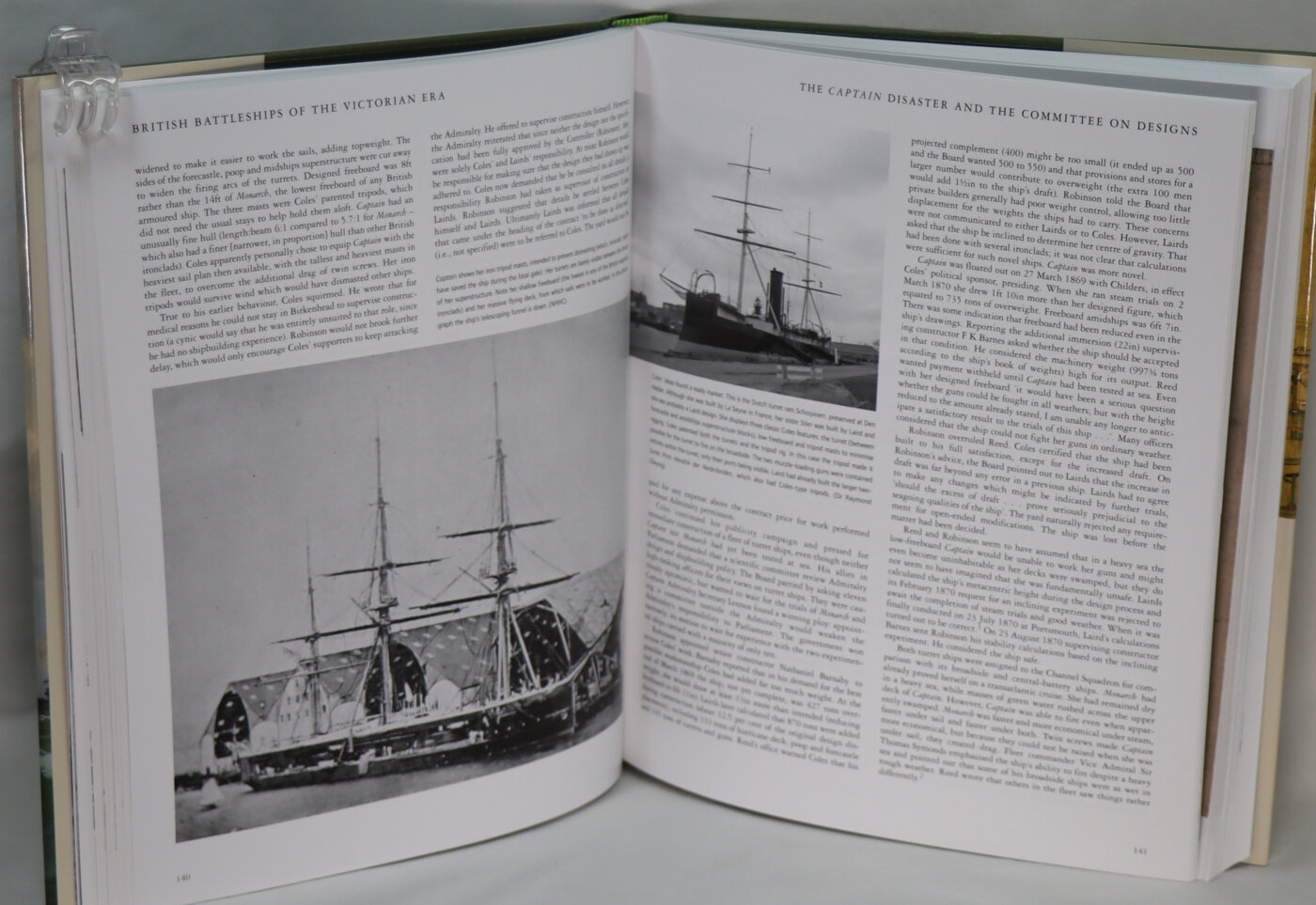
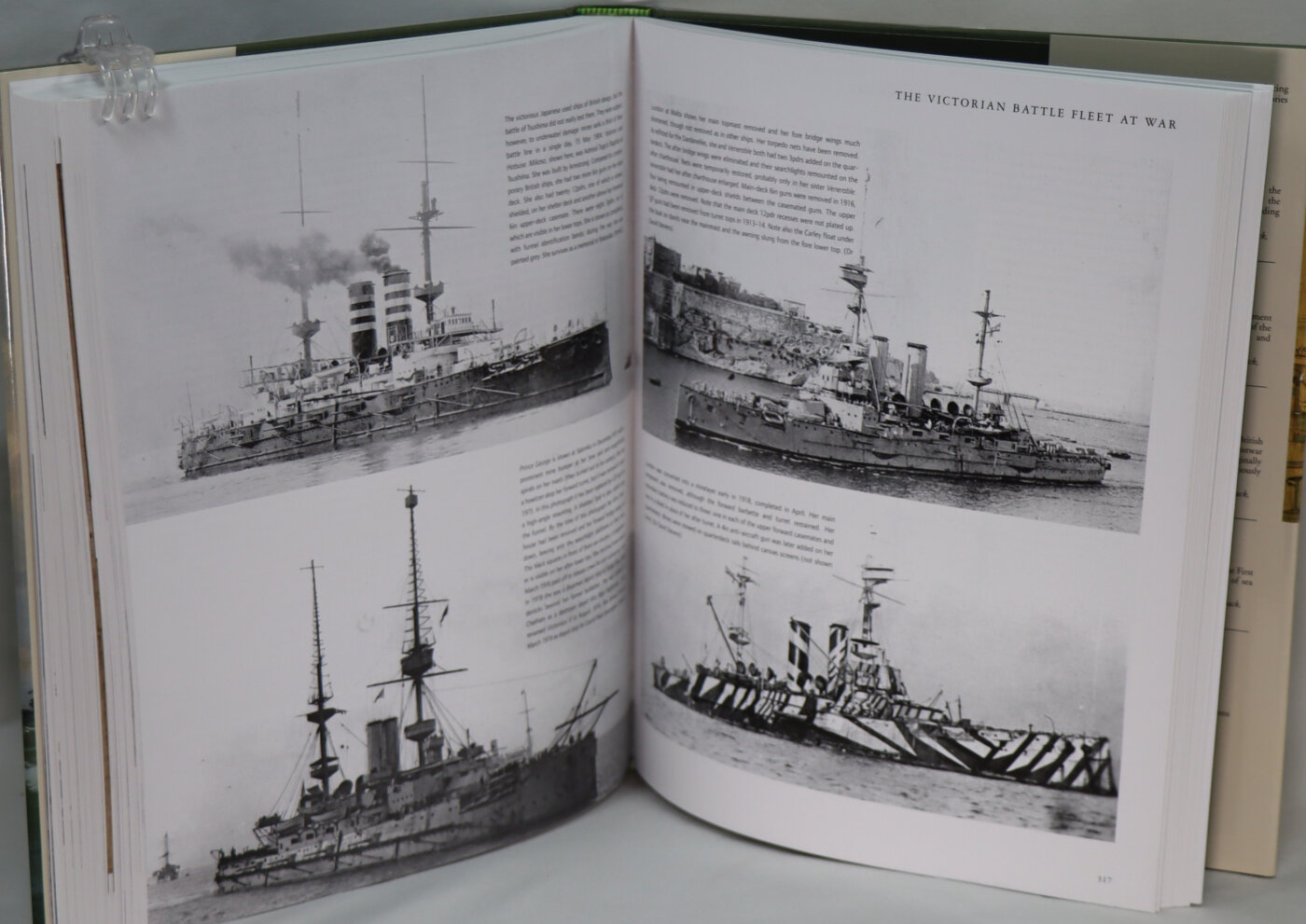
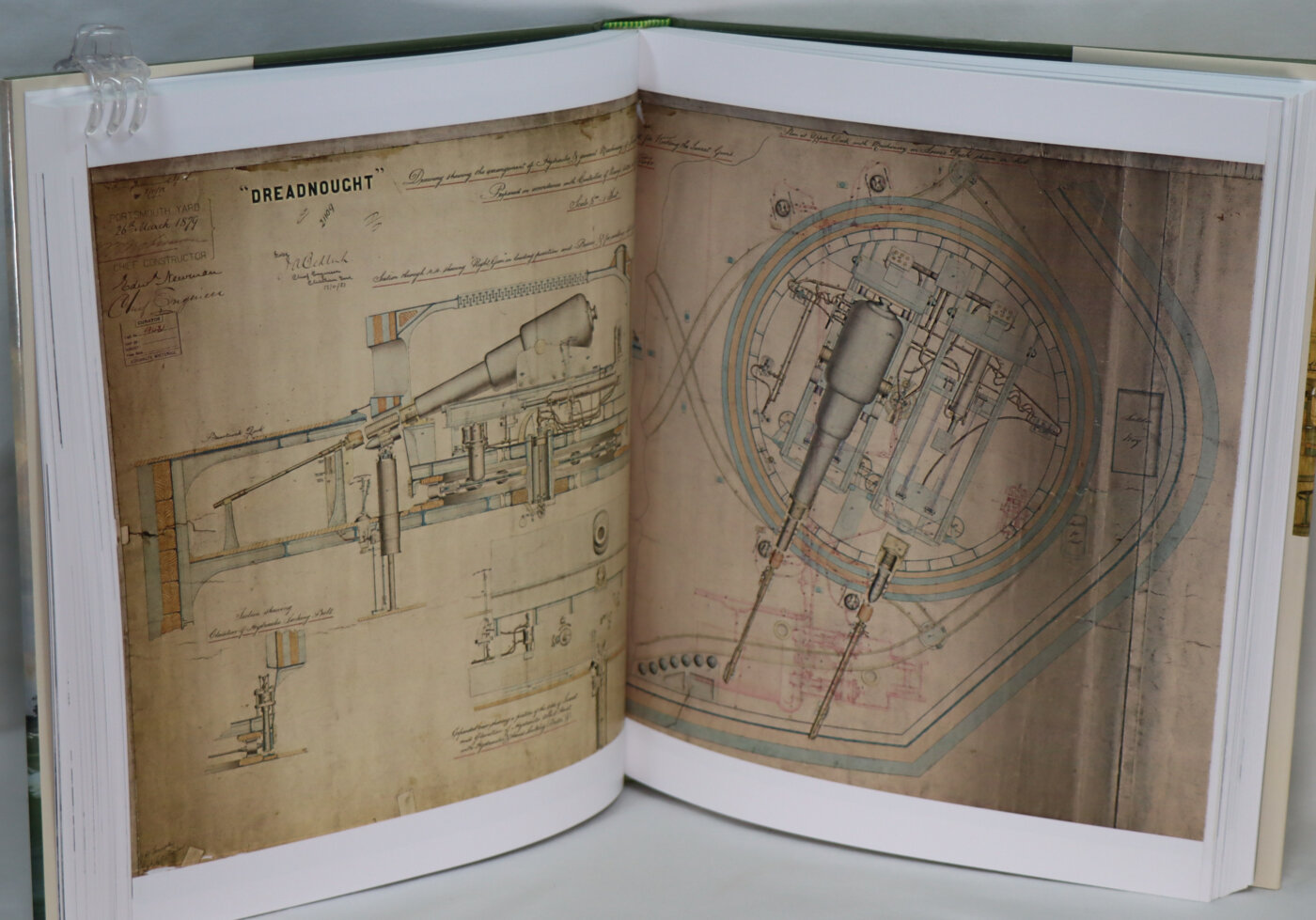
This is a companion volume to Friedman’s highly successful British Battleship 1906 1946 and completes his study of the Royal Navy’s capital ships. Beginning with the earliest installation of steam machinery in ships of the line, the book traces the technological revolution that saw the introduction of iron hulls, armour plate, shell-firing guns and the eventual abandonment of sail as auxiliary propulsion. This hectic development finally settled down to a widely approved form of pre-dreadnought battleship, built in large numbers and culminating in the King Edward VII class. As with all of his work, Friedman is concerned to explain why as well as how and when these advances were made, and locates British ship design firmly within the larger context of international rivalries, domestic politics and economic constraints. The result is a sophisticated and enlightening overview of the Royal Navy’s battle fleet in the latter half of the nineteenth century. It is also well illustrated: a comprehensive gallery of photographs with in-depth captions is accompanied by specially commissioned plans of the important classes by A D Baker III, and a colour section featuring the original Admiralty draughts, including a spectacular double gatefold. Norman Friedman is one of the most highly regarded of all naval writers, with an avid following, so for anyone with an interest in warships, the publication of this work will be a major event.
Review: Dr Friedmann has clearly toiled for many many hours at the National Maritime Museum’s “Brass Foundry” collecting information for this book. The end result is a nearly unreadable tour de force!
The information included in this tome far exceeds anything I have previously read on this subject, e.g. Warrior to Dreadnought: Warship Development 1860-1905 by D. K. Brown; British Battleships 1989-1904 by Burt; the Birth of the Battleship by John Beller; even specialist articles in Warship and Warship International. But the book is very difficult to read, as sentence after sentence, page after page, bombards you with names, dates, dimensions, gun weights, displacements, speeds, horsepower, etc.
If you want a book to read in bed that will guide you through the development of the battleship from the advent of steam until the last pre-Dreadnoughts, look elsewhere. If you want a reference book that will give all the essential information about the development of RN battleship designs in the second half of the 19th century without having to personally go to London to read the original ship covers, there is nothing better – and probably never will be.
About the Author: NORMAN FRIEDMAN is arguably America’s most prominent naval analyst, and the author of more than thirty books covering a range of naval subjects, from warship histories to contemporary defense issues. His most recent of a series of successful works for Seaforth was Fighters over the Fleet.
Want to know more about this item?
We are happy to answer any questions you may have about this item. In addition, it is also possible to request more photographs if there is something specific you want illustrated.
Ask a question
Related products




Share this Page with a friend
