
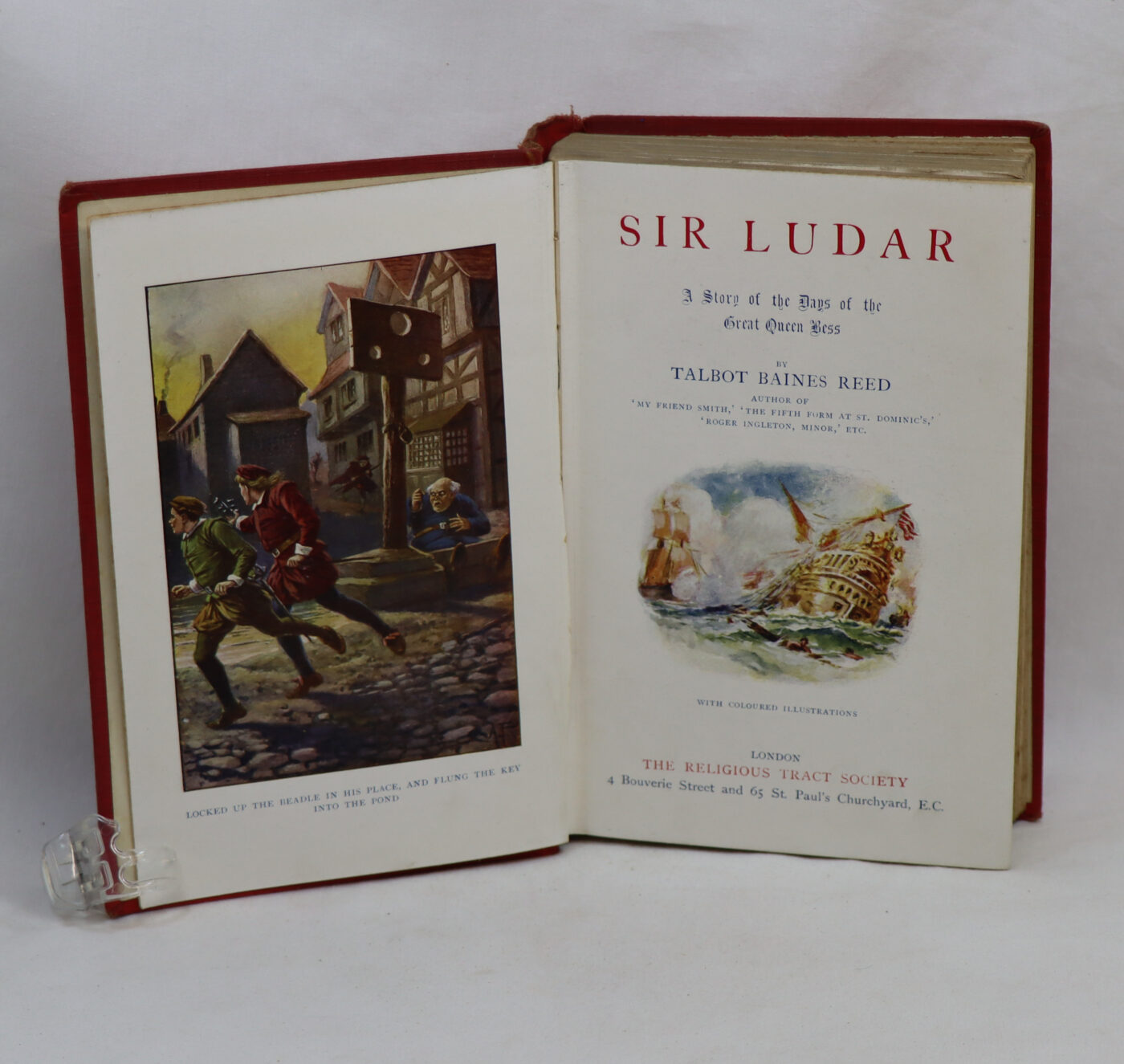
Sir Ludar.
By Talbot Baines Reed
Printed: Circa 1910
Publisher: The Religious Track Society. London
| Dimensions | 13 × 19 × 4 cm |
|---|---|
| Language |
Language: English
Size (cminches): 13 x 19 x 4
Condition: Good (See explanation of ratings)
£22.00
Buy Now
Your items

Item information
Description
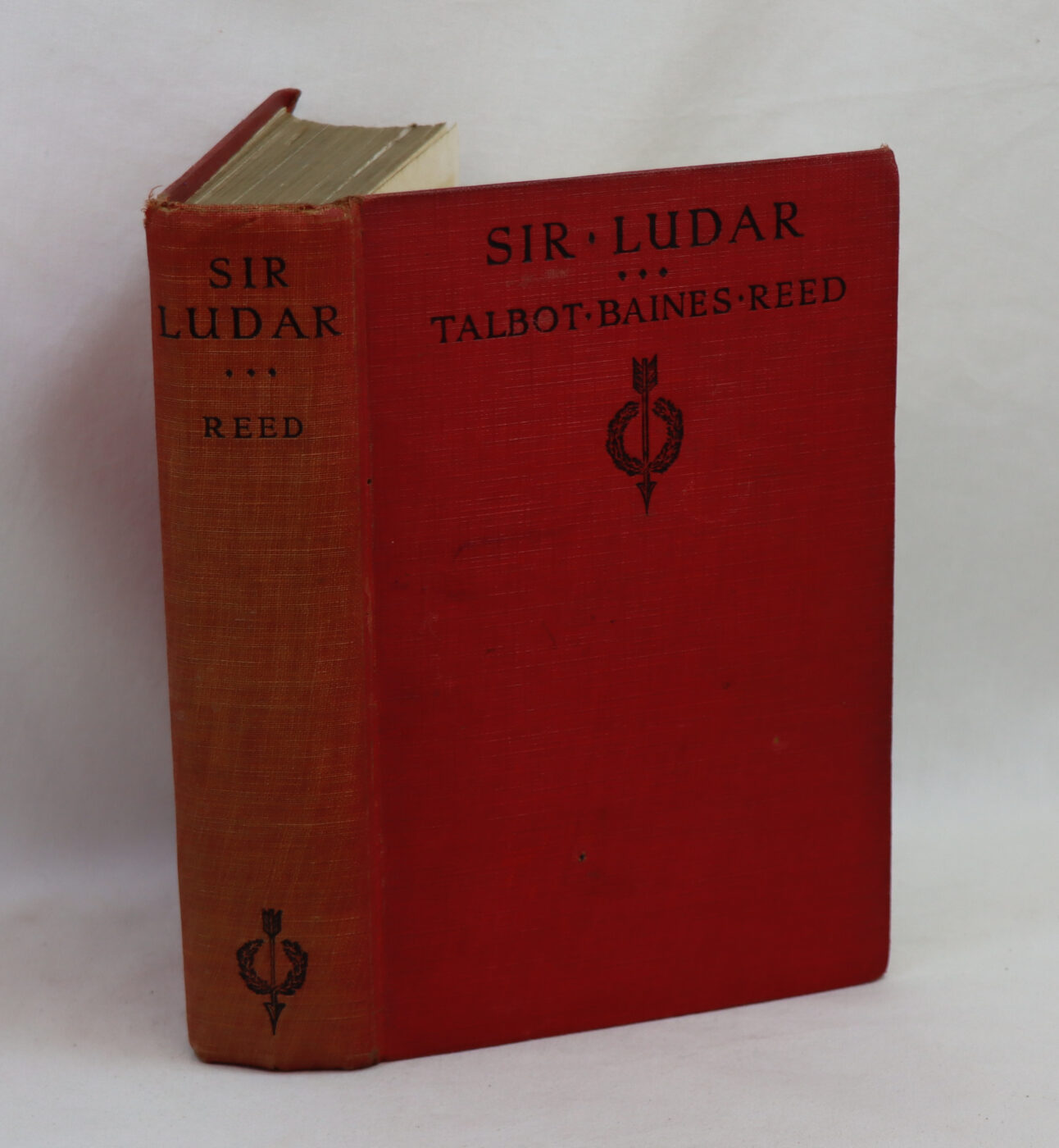
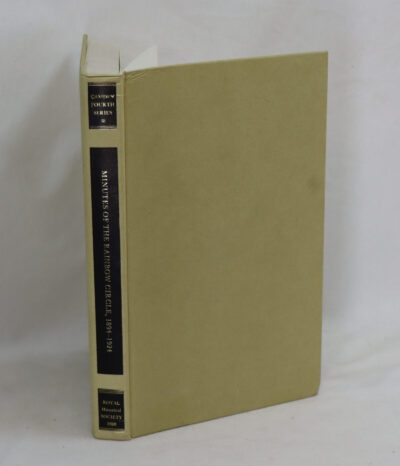
Red cloth binding with black title on the spine and front board.
We provide an in-depth photographic presentation of this item to stimulate your feeling and touch. More traditional book descriptions are immediately available.
- Note: This book carries a £5.00 discount to those that subscribe to the F.B.A. mailing list
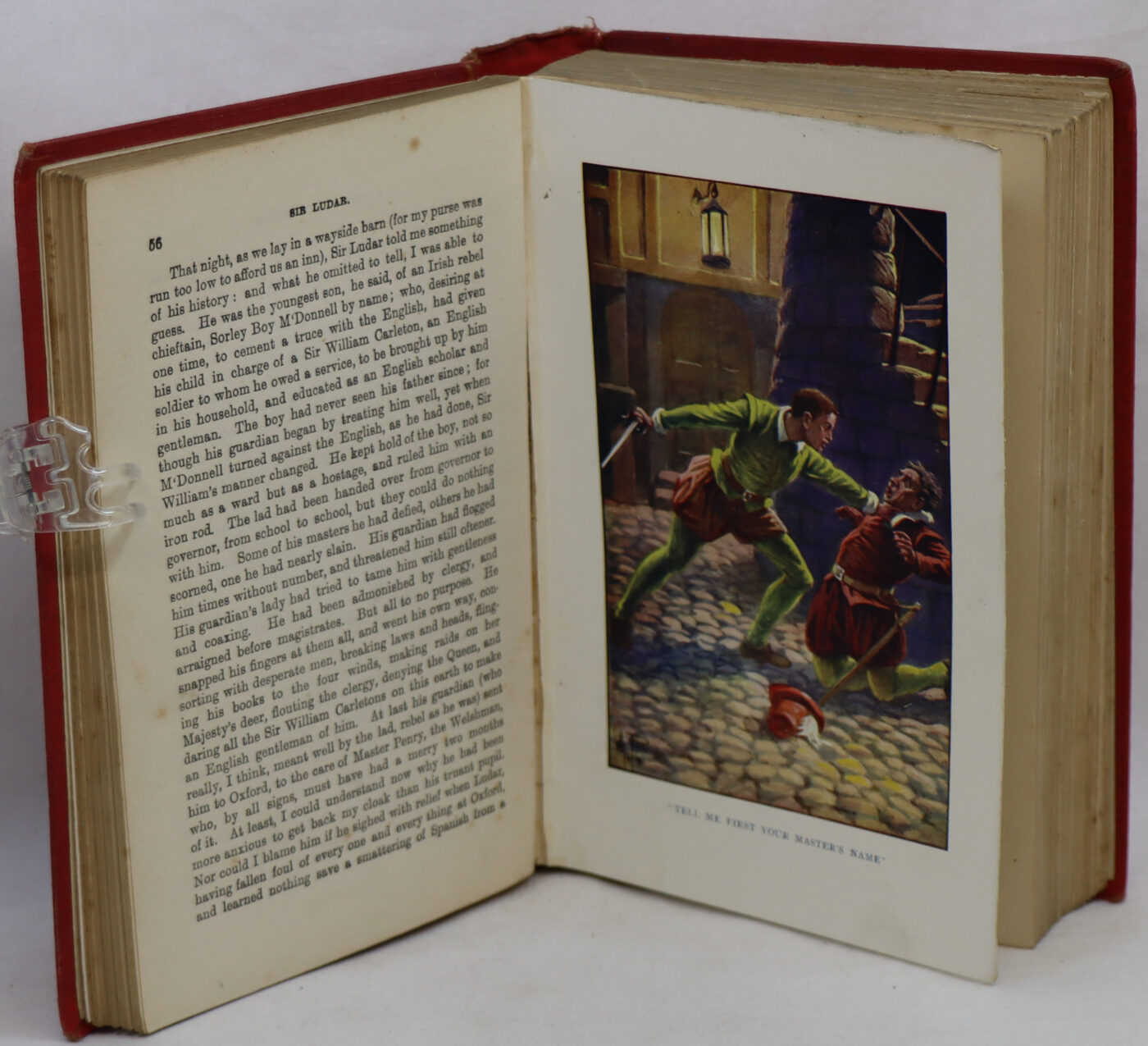
Please view our photographs regarding this good book.
Step into a world of honor, courage, and transformation in Sir Ludar by Talbot Baines Reed—a captivating historical tale that brings the spirit of chivalry and moral growth vividly to life. Departing from his well-known school stories, Reed ventures into a richly imagined medieval setting, where the challenges of knighthood mirror the timeless struggles of character and identity.
At the heart of the story is Ludar, a young man on a journey toward understanding what it truly means to be noble. In a world governed by codes of honor, loyalty, and duty, he must navigate not only external trials—such as conflict, rivalry, and danger—but also the deeper internal challenges of self-discipline, integrity, and responsibility.
As Ludar encounters mentors, adversaries, and moments of uncertainty, he gradually learns that true strength lies not in power alone, but in wisdom, compassion, and moral courage. His journey reflects the universal process of growth, where mistakes become lessons and challenges become opportunities for transformation.
Reed masterfully blends action and reflection, creating a narrative that is both engaging and meaningful. The medieval landscape—with its castles, battles, and shifting loyalties—serves as a vivid backdrop for a deeper exploration of human values. Each event contributes to the shaping of Ludar’s character, illustrating the importance of perseverance and ethical choice.
What makes Sir Ludar particularly compelling is its balance between adventure and moral insight. While the story offers excitement and movement, it also invites readers to consider the nature of honor and the responsibilities that come with it. Reed’s clear and accessible style ensures that the narrative resonates with both young readers and adults alike.
This carefully prepared public domain edition preserves the original charm and depth of the text while presenting it in a clean, readable format for modern audiences. Ideal for fans of historical fiction, coming-of-age stories, and classic literature, Sir Ludar remains a timeless exploration of courage, growth, and the pursuit of true honor.
Enter a world where every choice shapes destiny—and discover the journey of a young knight learning what it means to lead with both strength and heart.
NOTE: 1.Talbot Baines Reed (3 April 1852 – 28 November 1893) was an English writer of boys’ fiction who established a genre of school stories that endured into the mid-20th century. Among his best-known work is The Fifth Form at St. Dominic’s. He was a regular and prolific contributor to The Boy’s Own Paper (B.O.P.), in which most of his fiction first appeared. Through his family’s business, Reed became a prominent typefounder, and wrote a standard work on the subject: History of the Old English Letter Foundries.
Reed’s father, Charles Reed, was a successful London printer who later became a Member of Parliament (MP). Talbot attended the City of London School before leaving at 17 to join the family business in Fann Street. His literary career began in 1879, when the B.O.P. was launched. The family were staunchly Christian, pillars of the Congregational Church, and were heavily involved in charitable works. However, Reed did not use his writing as a vehicle for moralising, and was dismissive of those early school story writers who did, such as Dean Farrar. Reed’s affinity with boys, his instinctive understanding of their standpoint in life and his gift for creating believable characters, ensured that his popularity survived through several generations. He was widely imitated by other writers in the school story genre.
In 1881, following the death of his father, Reed became head of the company. By then he had begun his monumental history which was published in 1887. Along with his B.O.P. contributions Reed wrote regular articles and book reviews for his cousin Edward Baines’s newspaper, the Leeds Mercury. He was a co-founder and first honorary secretary of the Bibliographical Society, and a trustee for his family’s charities. All this activity may have undermined his health; after struggling with illness for most of 1893, Reed died in November that year, at the age of 41. Tributes honoured him both for his contribution to children’s fiction and for his work as the definitive historian of English typefounding.
Want to know more about this item?
We are happy to answer any questions you may have about this item. In addition, it is also possible to request more photographs if there is something specific you want illustrated.
Ask a question
Related products






Share this Page with a friend
