
Julien Lapostat, Ou Voyage Dans L'autre Monde.
By Dans L'autre Monde
Printed: 1784
Publisher: Chez J Fr Bastein. Paris
| Dimensions | 9 × 14 × 2 cm |
|---|---|
| Language |
Language: French
Size (cminches): 9 x 14 x 2
Condition: Good (See explanation of ratings)
£410.00
FREE shipping
Buy Now


Item information
Description
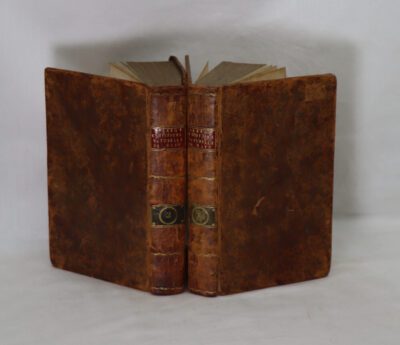
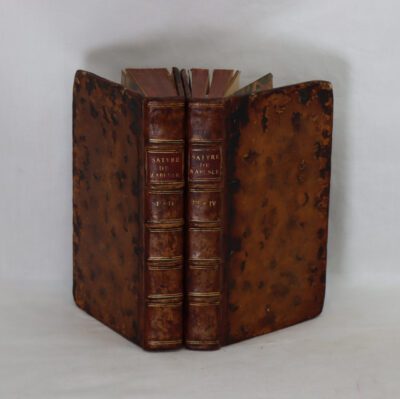
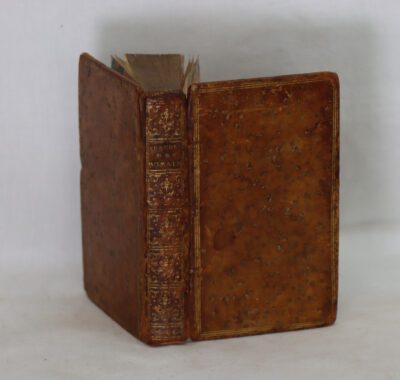
Mottled calf binding with gilt decorated edging on the boards. Black title plate, gilt decoration and title on the spine. all edges gilt.
-
We provide an in-depth photographic presentation of this item to stimulate your feeling and touch. More traditional book descriptions are immediately available
-
Note: This book carries a £5.00 discount to those that subscribe to the F.B.A. mailing list
A very good copy, the text generally clean and fresh, and the original unrestored binding with considerable appeal. Debatably once the property of a leading ‘Jacobin’. First published as “A Journey from this World to the Next” in the author’s 1743 “Miscellanies,” this is a curious combination of satire and philosophy. It explores the nature of the afterlife and human morality through the narrative of a recently deceased thieving scoundrel on his way to the Gates of Elysium. As he journeys, he meets historical figures including Virgil, Homer, Shakespeare, Oliver Cromwell, and the Roman Emperor Julian–known to the Christian world as Julian the Apostate. Julian qualifies to be featured in the work’s title because he is said by the author to have been reincarnated 23 times, including as his own grandson, a monk, and Anne Boleyn. This uncommon French edition apes Fielding’s better known ‘Tom Jones’.
Henry Fielding (22 April 1707 – 8 October 1754) was an English writer and magistrate known for the use of humour and satire in his works. His 1749 comic novel The History of Tom Jones, a Foundling was a seminal work in the genre. Along with Samuel Richardson, Fielding is seen as the founder of the traditional English novel. He also played an important role in the history of law enforcement in the United Kingdom, using his authority as a magistrate to found the Bow Street Runners, London’s first professional police force.
Condition notes
Wear on hinges
Want to know more about this item?
We are happy to answer any questions you may have about this item. In addition, it is also possible to request more photographs if there is something specific you want illustrated.
Ask a question
Related products

Share this Page with a friend
