
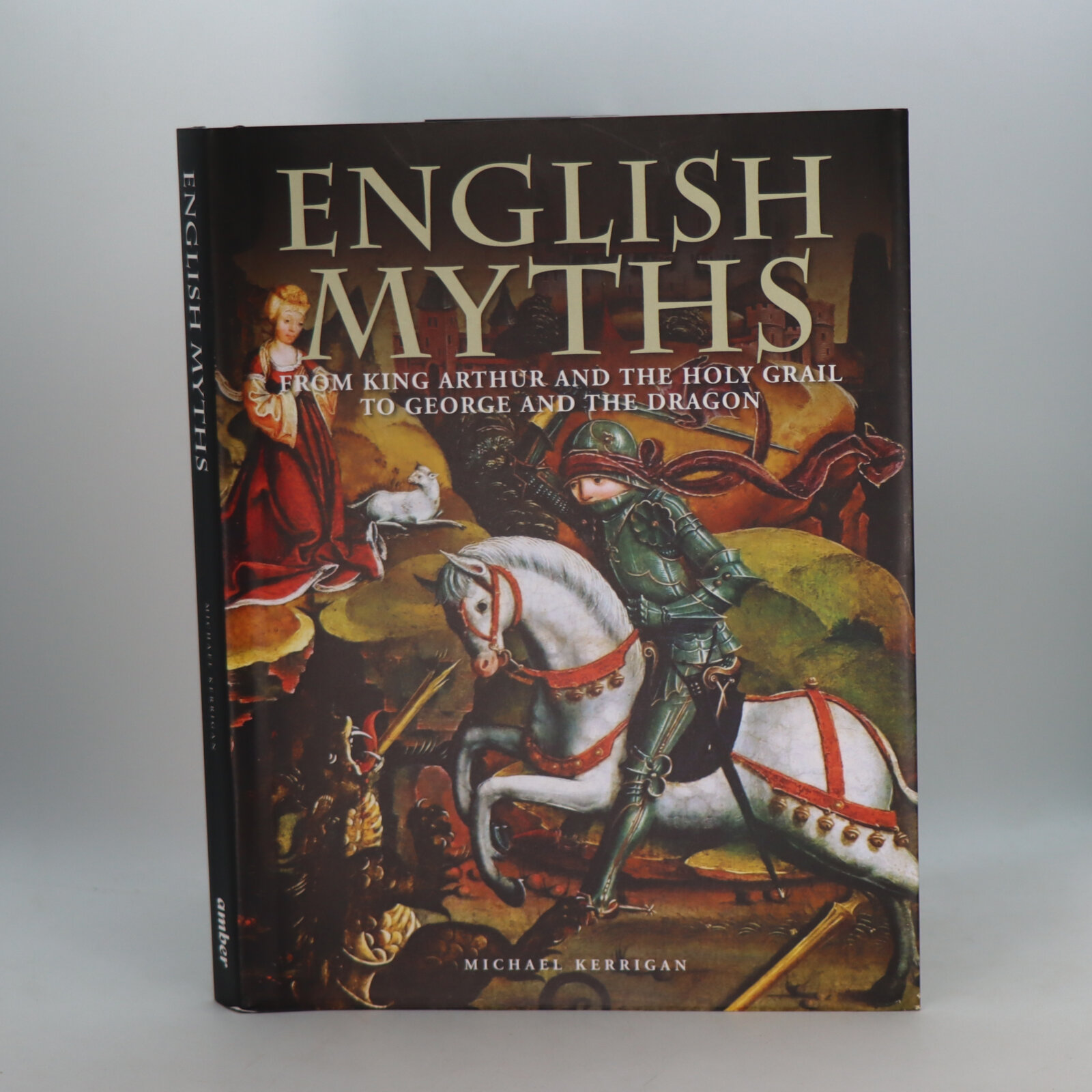
English Myths.
By Michael Kerrigan
ISBN: 9781838861711
Printed: 2022
Publisher: Amber Books. London
Edition: First edition
| Dimensions | 20 × 26 × 2.5 cm |
|---|---|
| Language |
Language: English
Size (cminches): 20 x 26 x 2.5
Condition: As new (See explanation of ratings)
SORRY, THIS ITEM HAS SOLD


Item information
Description
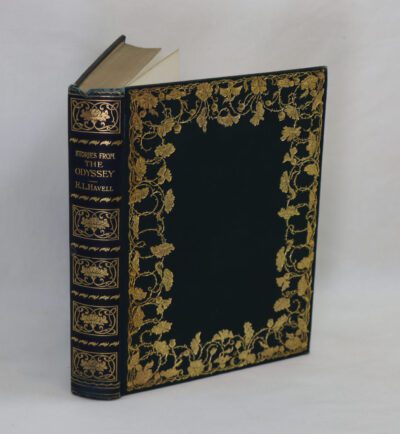
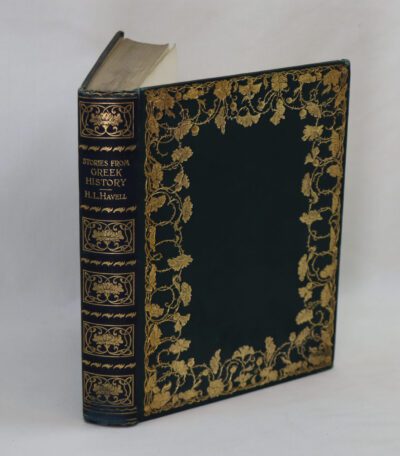
In the original dustsheet. Binding the same as the dustsheet.
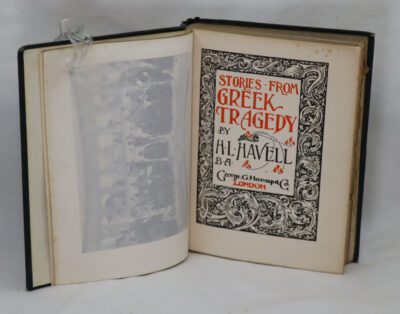
F.B.A. provides an in-depth photographic presentation of this item to stimulate your feeling and touch. More traditional book descriptions are immediately available.
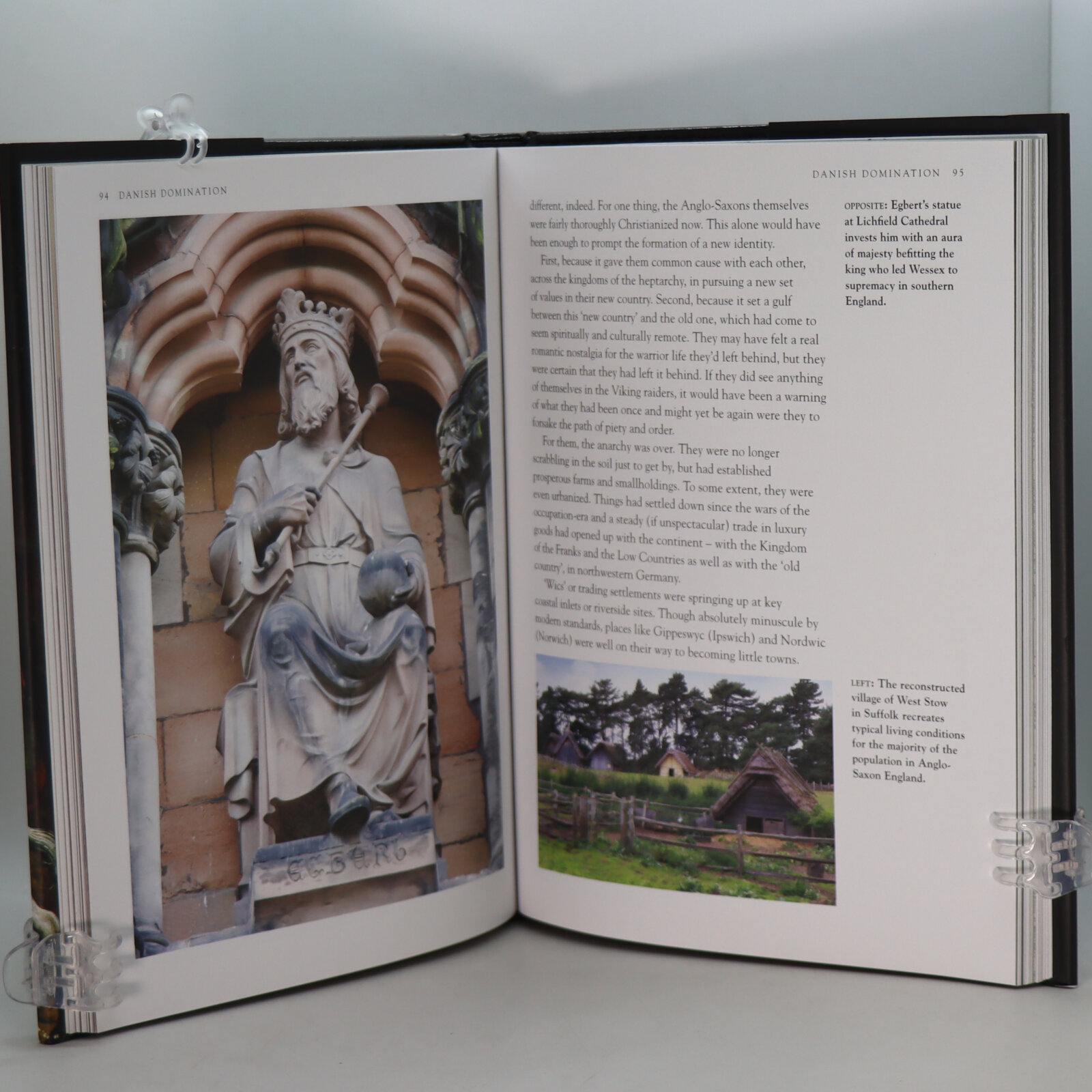
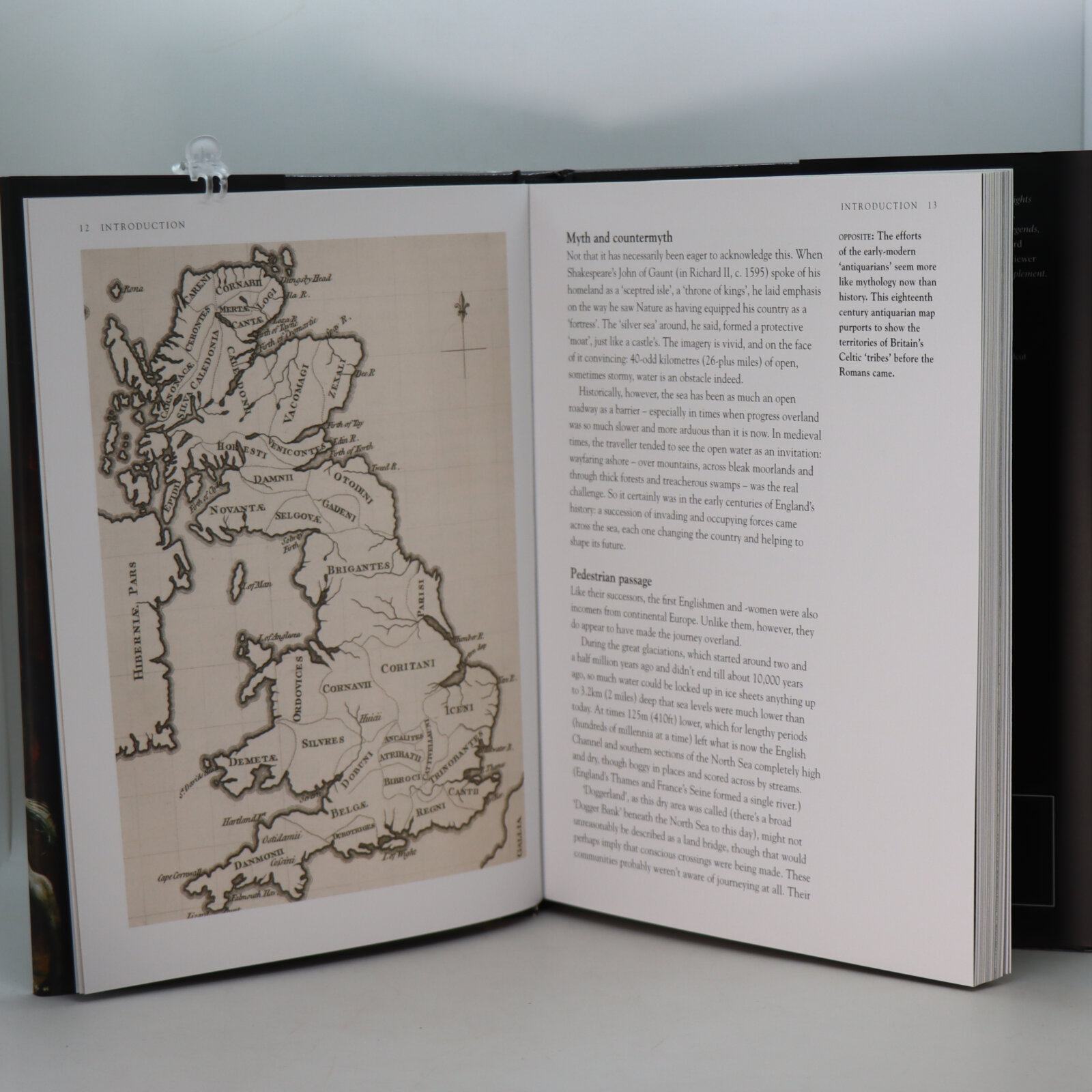
The mythology and folklore of England is as old as the land itself, rich in symbolism and full of tales of quests and heroic daring-do, ghosts and witches, romantic heroines and noble outlaws. Who hasn’t heard of the master sorcerer Merlin, Robin Hood and his merry men, or the legendary monster Grendel. Beginning with the great Anglo-Saxon epic Beowulf, English Myths explores the early legends of post-Roman England, many of which blend history and myth. The book goes on to examine the rich seam of Arthurian and romantic legends first told in the Medieval era, before looking at English folk heroes and the beasts, witches and ghosts that have haunted the land. Discover the brothers Hengist and Horsa, legendary leaders of the first Angles, Saxons and Jutes to settle in England; learn the tragic story of Cornish hero Tristan and his love for Irish princess Iseult; tremble at the Black Dog ghost, a nocturnal hellhound found stalking the country from Suffolk in the east to Devon in the west; and enjoy the tale of George and the dragon, who saved the nation from a rampaging serpent and became the patron saint of the country. Illustrated with 150 photographs and artworks, English Myths is an accessible, entertaining, and highly informative exploration of the fascinating mythology underlying one of the world’s oldest and most influential cultures.
Review: This is an interesting and well-presented coffee table book which covers a broad range of English myths, some of them in much more detail than others. Nothing is covered in a great deal of depth, however, and I felt that there was a lot at the start of the book about early English history rather than the country’s mythology. The last chapter touched on a lot of more modern English myths and legends, but they were tantalisingly brief. I would have preferred to hear a lot more about the beast of Bodmin moor; the hairy hands on Dartmoor, Spring-Heeled Jack and so on, but these got barely a paragraph while Beowulf, Robin Hood and King Arthur had substantial chapters dedicated to them. There seemed also to be a lot of assumptions that the stories are known already, even with those such as King Arthur, which have many different versions. I enjoyed flicking through the book.
Want to know more about this item?
We are happy to answer any questions you may have about this item. In addition, it is also possible to request more photographs if there is something specific you want illustrated.
Ask a question
Share this Page with a friend
