
Edible and Poisonous Fungi. 1952.
Printed: 1952
Publisher: HMSO. London
| Dimensions | 14 × 22 × 1 cm |
|---|---|
| Language |
Language: English
Size (cminches): 14 x 22 x 1
Condition: Very good (See explanation of ratings)
£38.00
Buy Now

Item information
Description
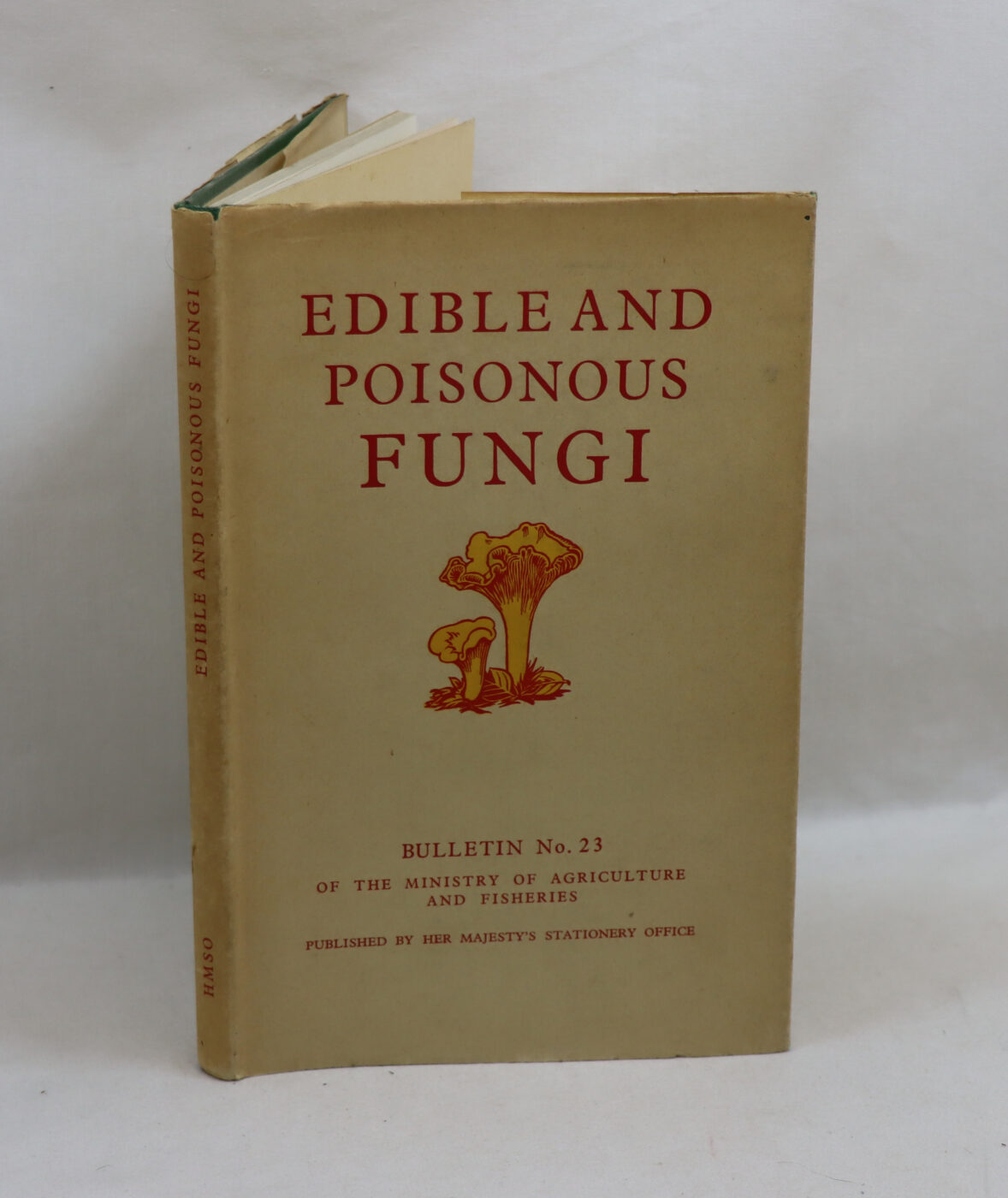
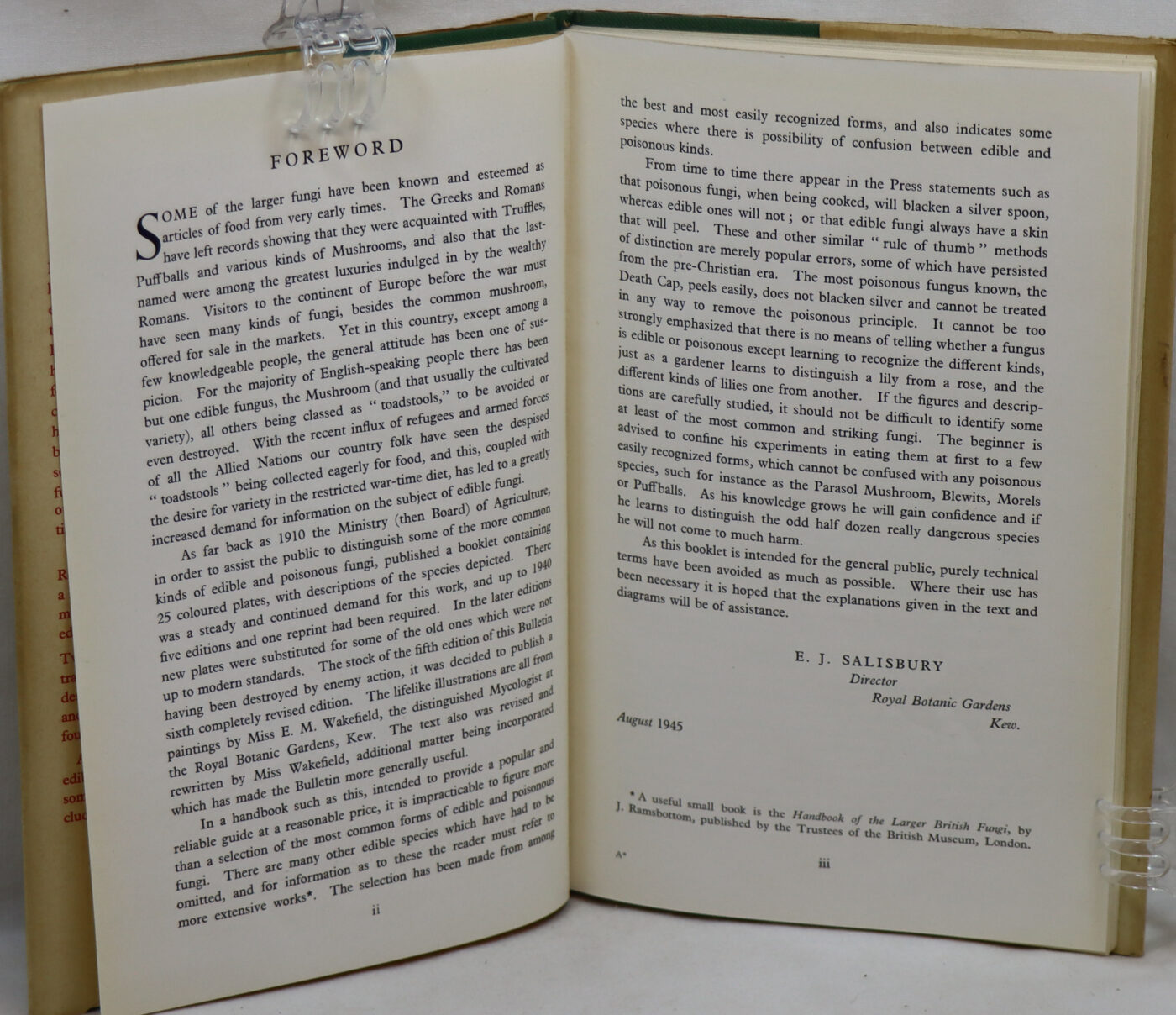
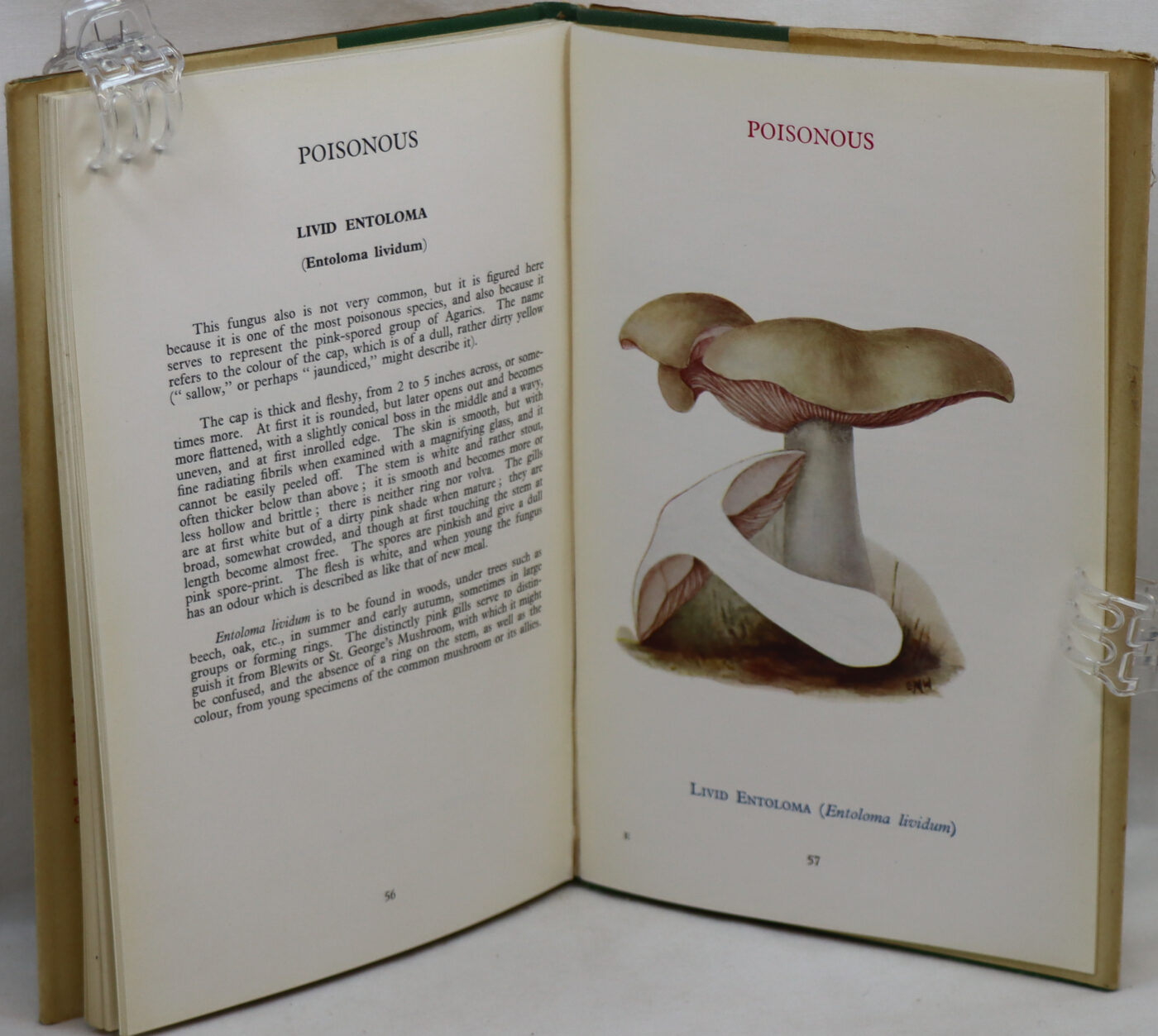
In the original dust jacket. Green cloth binding with gilt title on the spine.
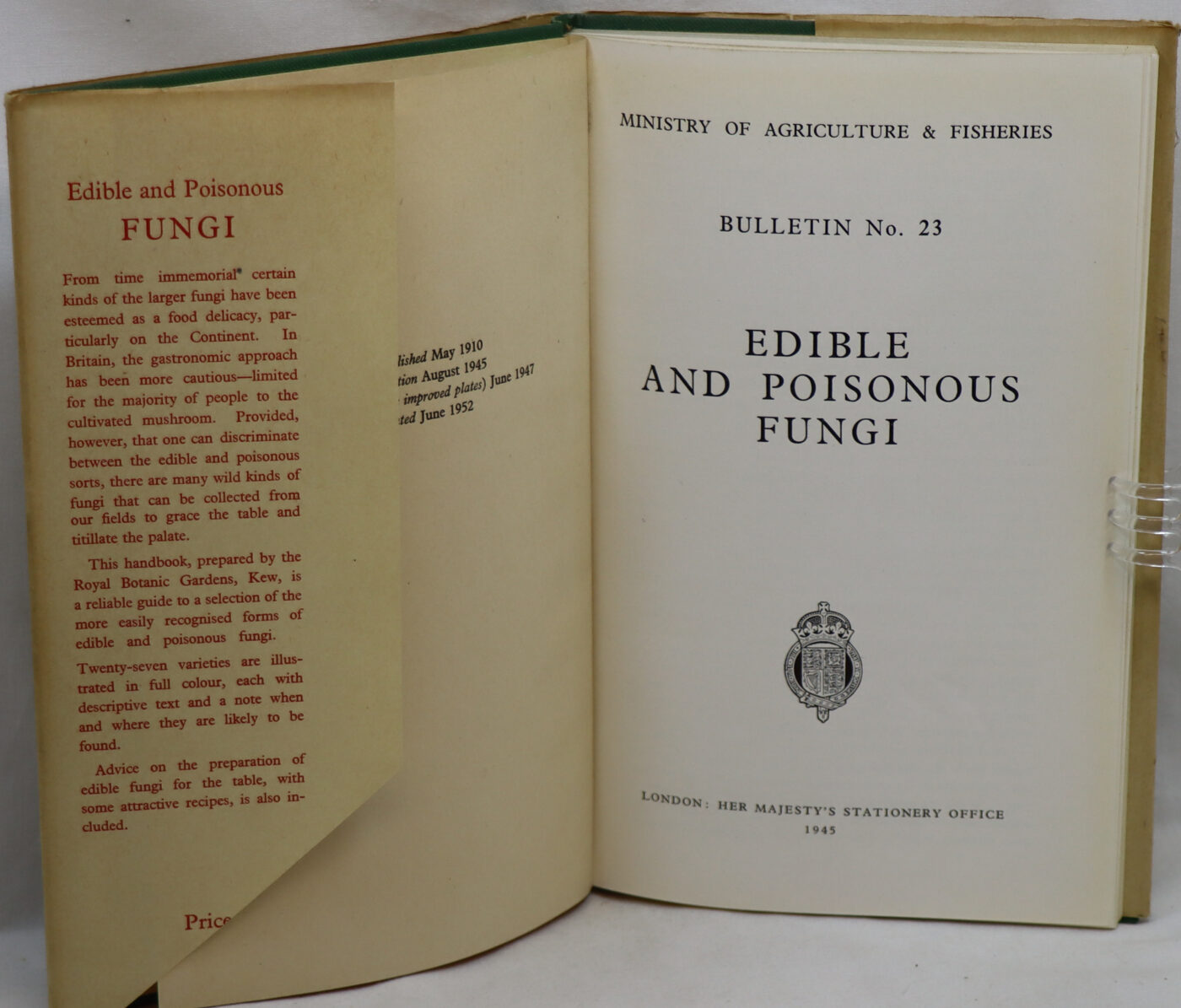
We provide an in-depth photographic presentation of this item to stimulate your feeling and touch. More traditional book descriptions are immediately available
- Note: This book carries a £5.00 discount to those that subscribe to the F.B.A. mailing list
For conditions, please view our photographs. An original book from the library gathered by the famous Cambridge Don, computer scientist, food and wine connoisseur, Jack Arnold LANG.
Jack founded the Michelin Guide ‘Midsummer House’- Cambridge’s paramount restaurant. This dining experience is hidden amongst the grassy pastures and grazing cattle of Midsummer Common and perched on the banks of the River Cam. The Midsummer House experience is imaginatively curated to delight and amaze.
1952. Reprinted. 63 pages.
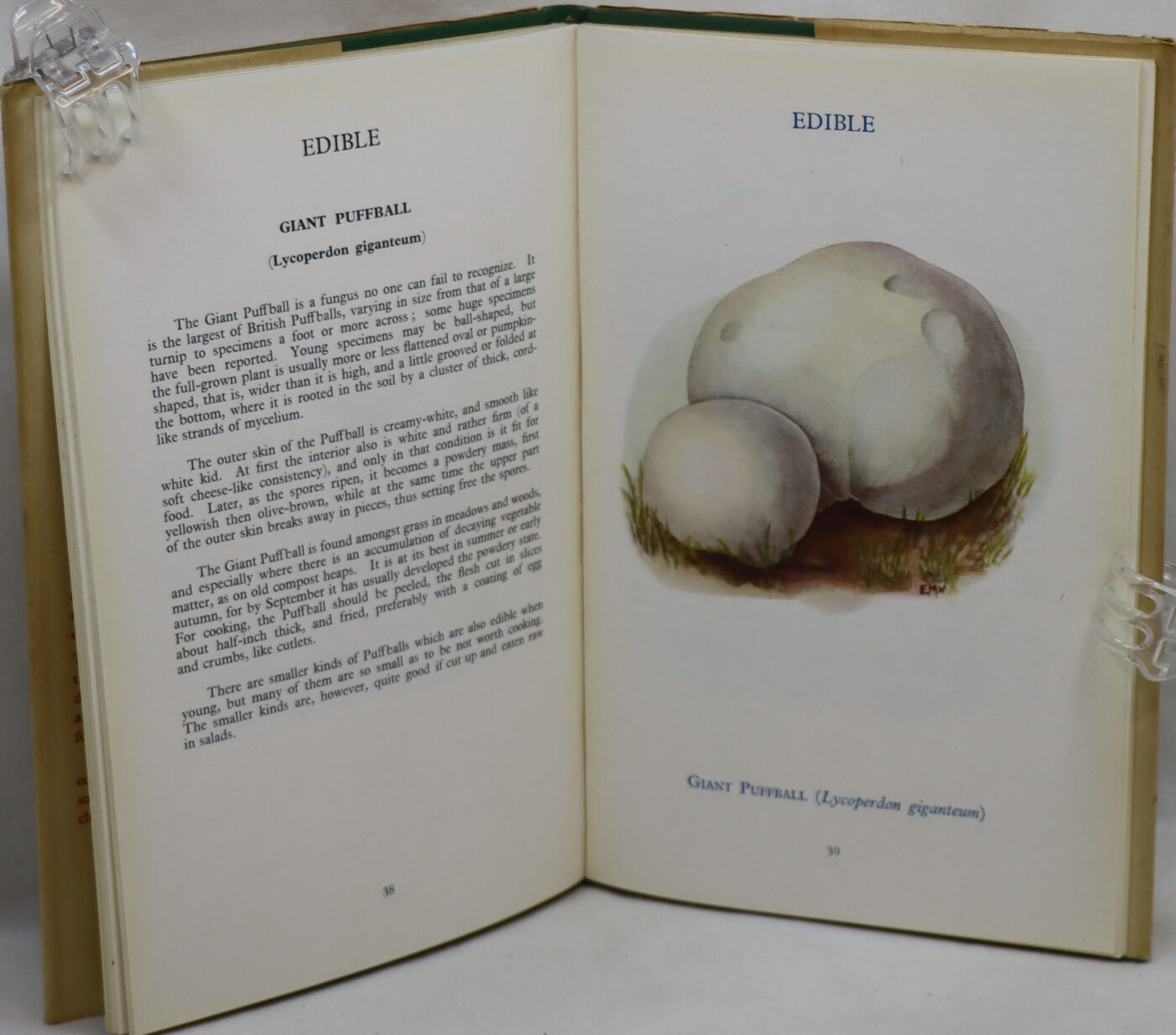
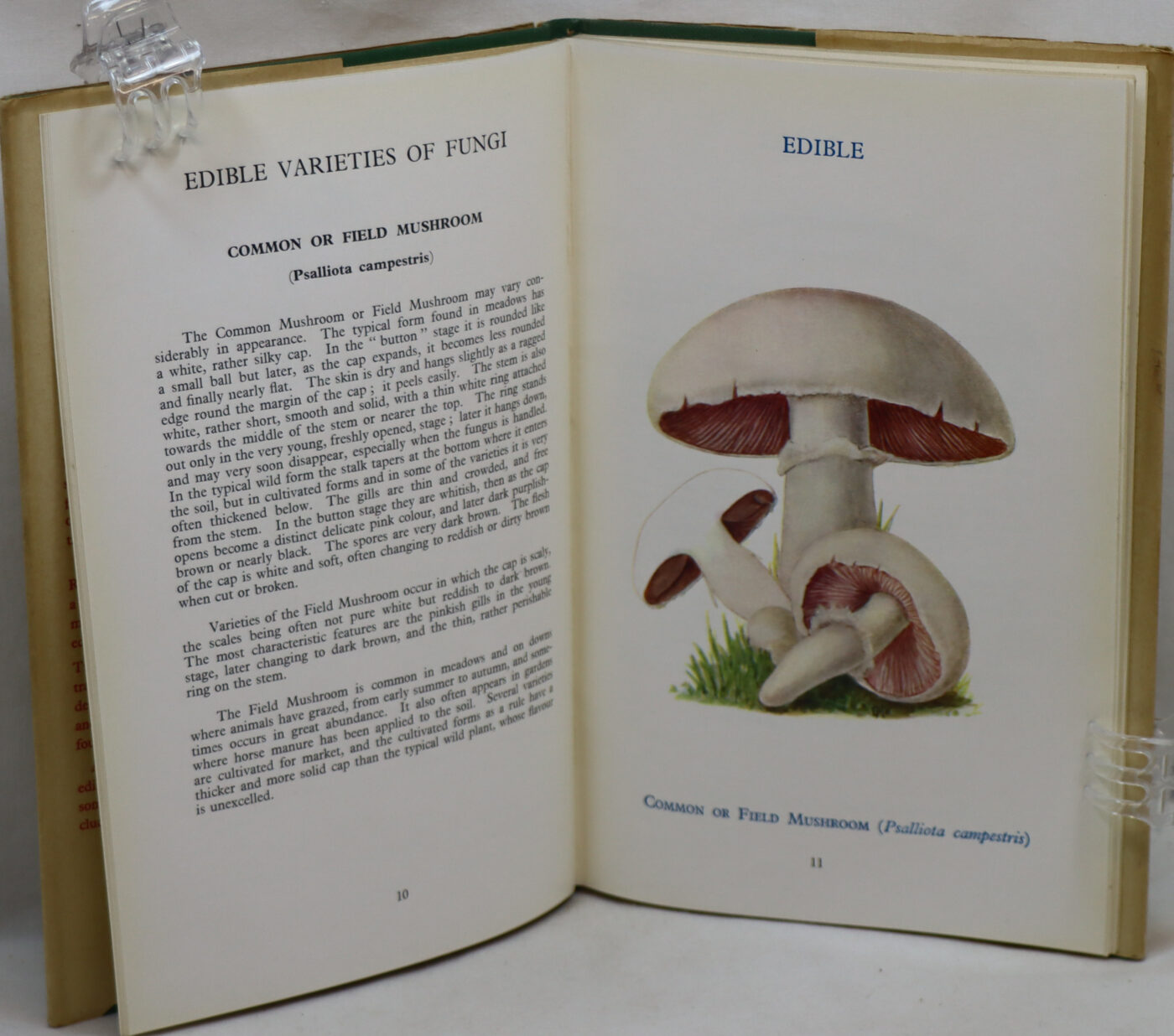
You’re describing a specific 1952 edition of the classic Ministry of Agriculture and Fisheries Bulletin No. 23, Edible and Poisonous Fungi, a valued vintage guide known for its color illustrations, featuring detailed plates of mushrooms on green cloth boards with gilt lettering, popular for identification and collecting among mycophiles and book lovers, despite some age-related wear like tanning or foxing, indicating a well-loved but still functional guide to fungi identification.
Key Details about this Edition:
-
Publisher: His Majesty’s Stationery Office (HMSO), London, reflecting official UK government publication.
-
Content: Contains vibrant color plates and descriptive text, making it great for learning about fungi, though some collectors note it’s better as a supplement to modern guides rather than a sole field ID tool.
-
Physical Characteristics: Often bound in green cloth, with gilt (gold) lettering, and featuring illustrated dust jackets that show wear, as seen in listings on AbeBooks and eBay.
-
Condition: “Very Good” suggests it’s well-preserved for its age, with some foxing (light brown spots) or tanning on pages typical for vintage books, but overall structurally sound with bright lettering.
-
Significance: It’s a sought-after collectible, often sought for its historical value and beautiful botanical artwork, appealing to collectors of natural history and vintage books.
Where to Find More Information/Buy:
-
You can often find listings and more detailed photos on bookseller sites like AbeBooks and eBay, where sellers describe specific copy conditions.
-
The Wellcome Collection also holds copies, providing library records for research.
Want to know more about this item?
We are happy to answer any questions you may have about this item. In addition, it is also possible to request more photographs if there is something specific you want illustrated.
Ask a question
Related products




Share this Page with a friend
