
William Tyndale. The Father of the English Bible.
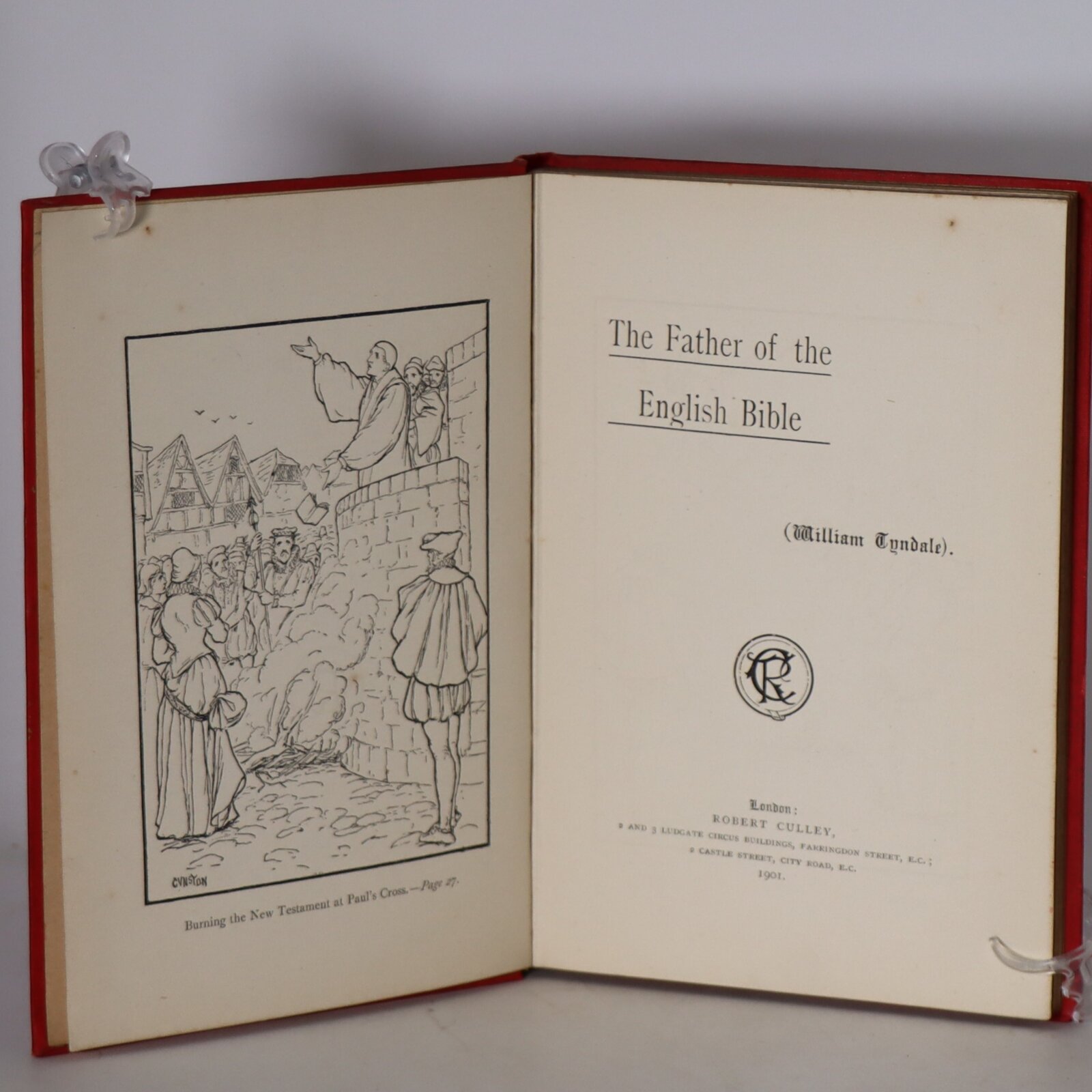
Printed: 1901
Publisher: Robert Culley. London
| Dimensions | 12 × 17 × 1 cm |
|---|---|
| Language |
Language: English
Size (cminches): 12 x 17 x 1
Condition: Fine (See explanation of ratings)
£18.00
Buy Now
Your items

Item information
Description
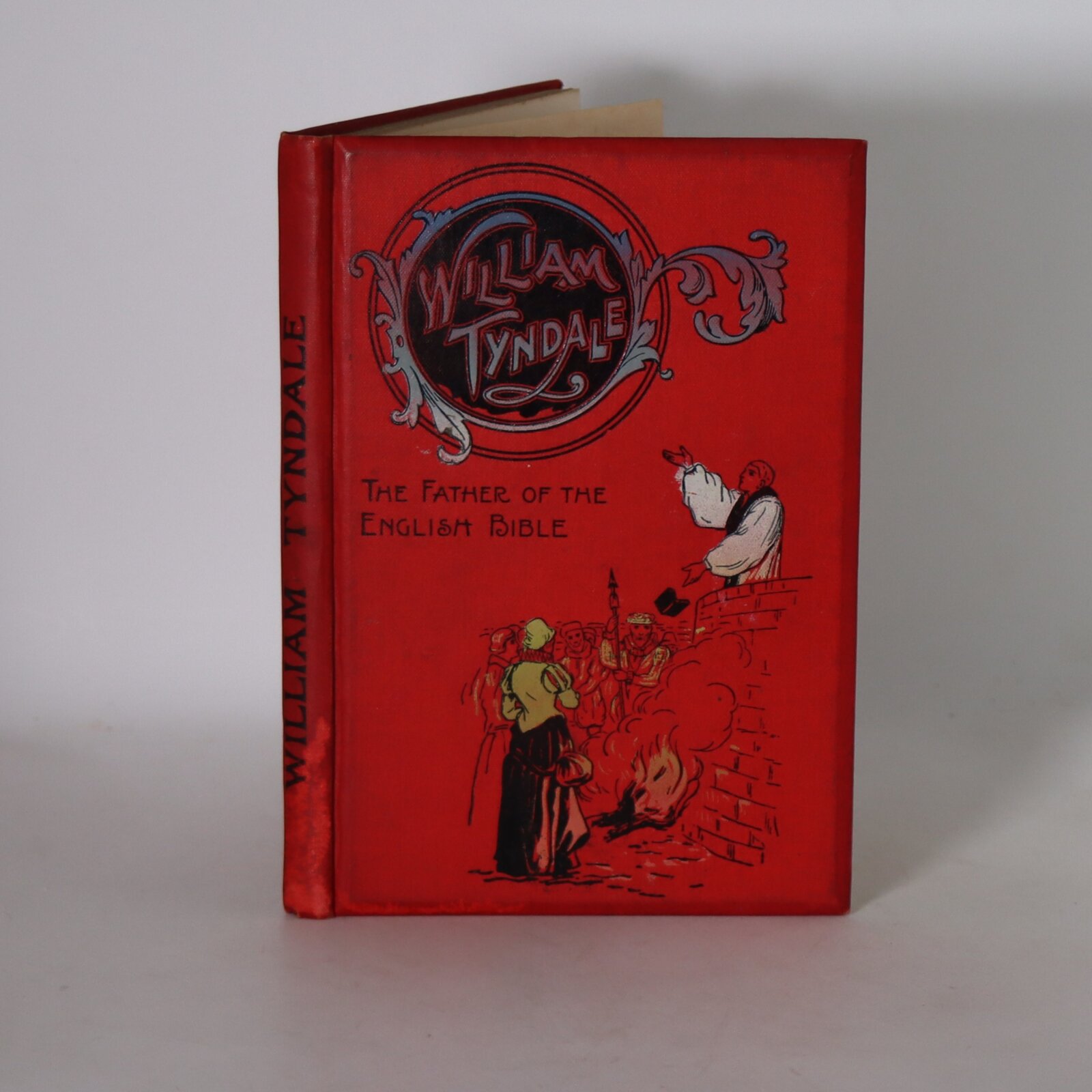
Red cloth binding with black title on the spine title and preacher image and front board. All edges gilt.
F.B.A. provides an in-depth photographic presentation of this item to stimulate your feel and touch. More traditional book descriptions are immediately available.
A worthy introduction to a great man
William Tyndale. sometimes spelled Tynsdale, Tindall, Tindill, Tyndall; c. 1494 – c. 6 October 1536) was an English biblical scholar and linguist who became a leading figure in the Protestant Reformation in the years leading up to his execution. He is well known as a translator of the Bible into English and was influenced by the works of prominent Protestant Reformers such as Martin Luther.
Luther’s translation of the Christian Bible into German appeared in 1522. Tyndale’s translation was the first English Bible to draw directly from Hebrew and Greek texts, the first English translation to take advantage of the printing press, the first of the new English Bibles of the Reformation, and the first English translation to use Jehovah as God’s name as preferred by English Protestant Reformers. It was taken to be a direct challenge to the hegemony both of the Catholic Church and of those laws of England maintaining the church’s position. The work of Tyndale continued to play a key role in spreading Reformation ideas across the English-speaking world and eventually across the British Empire.
Tyndale’s translation of the Bible was used for subsequent English translations, including the Great Bible and the Bishops’ Bible, authorized by the Church of England. In 1611, after seven years of work, the 47 scholars who produced the King James Version drew extensively from Tyndale’s original work and other translations that descended from his. One estimate suggests that the New Testament in the King James Version is 83% Tyndale’s words and the Old Testament 76%.
A copy of Tyndale’s The Obedience of a Christian Man (1528), which some claim or interpret to argue that the king of a country should be the head of that country’s church rather than the Pope, came to the hands of King Henry VIII, providing a rationalization for breaking the Church in England from the Catholic Church in 1534. In 1530, Tyndale wrote The Practice of Prelates, opposing Henry’s annulment of his own marriage on the grounds that it contravened scripture. Fleeing England, Tyndale sought refuge in the Flemish territory of the Catholic Charles V, Holy Roman Emperor.
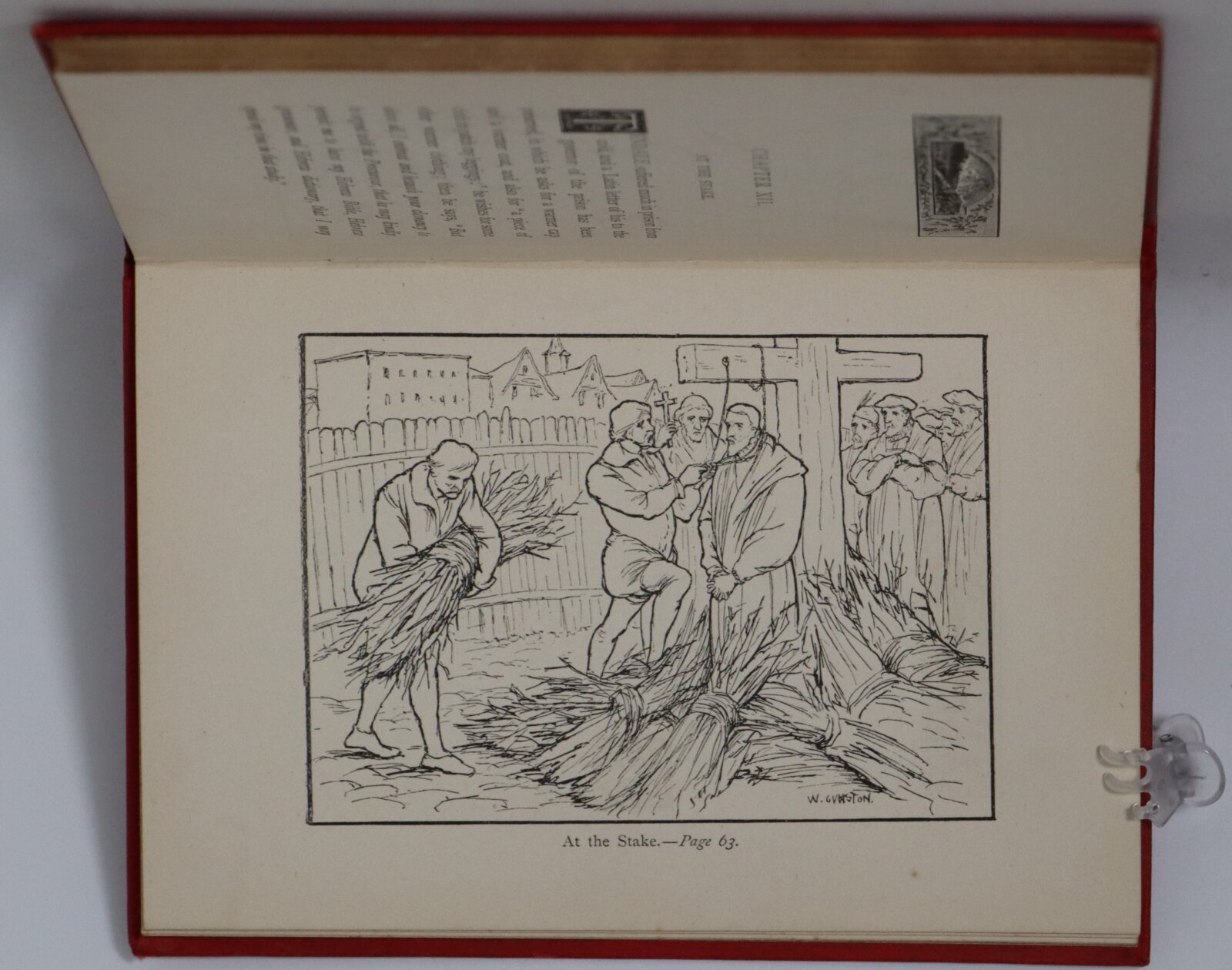
In 1535, Tyndale was arrested, and jailed in the castle of Vilvoorde (Fulford) outside Brussels for over a year. In 1536, he was convicted of heresy and executed by strangulation, after which his body was burnt at the stake.
In 2002, Tyndale was placed 26th in the BBC’s poll of the 100 Greatest Britons.
Want to know more about this item?
We are happy to answer any questions you may have about this item. In addition, it is also possible to request more photographs if there is something specific you want illustrated.
Ask a question
Related products

Share this Page with a friend
