
Real Cider Making on a Small Scale.
By Michael Pooley & John Lomax
ISBN: 9781565236042
Printed: 2005
Publisher: Special Intrest Model Books. Doeset
| Dimensions | 15 × 21 × 1 cm |
|---|---|
| Language |
Language: English
Size (cminches): 15 x 21 x 1
Condition: Very good (See explanation of ratings)
£8.00
Buy Now
Item information
Description
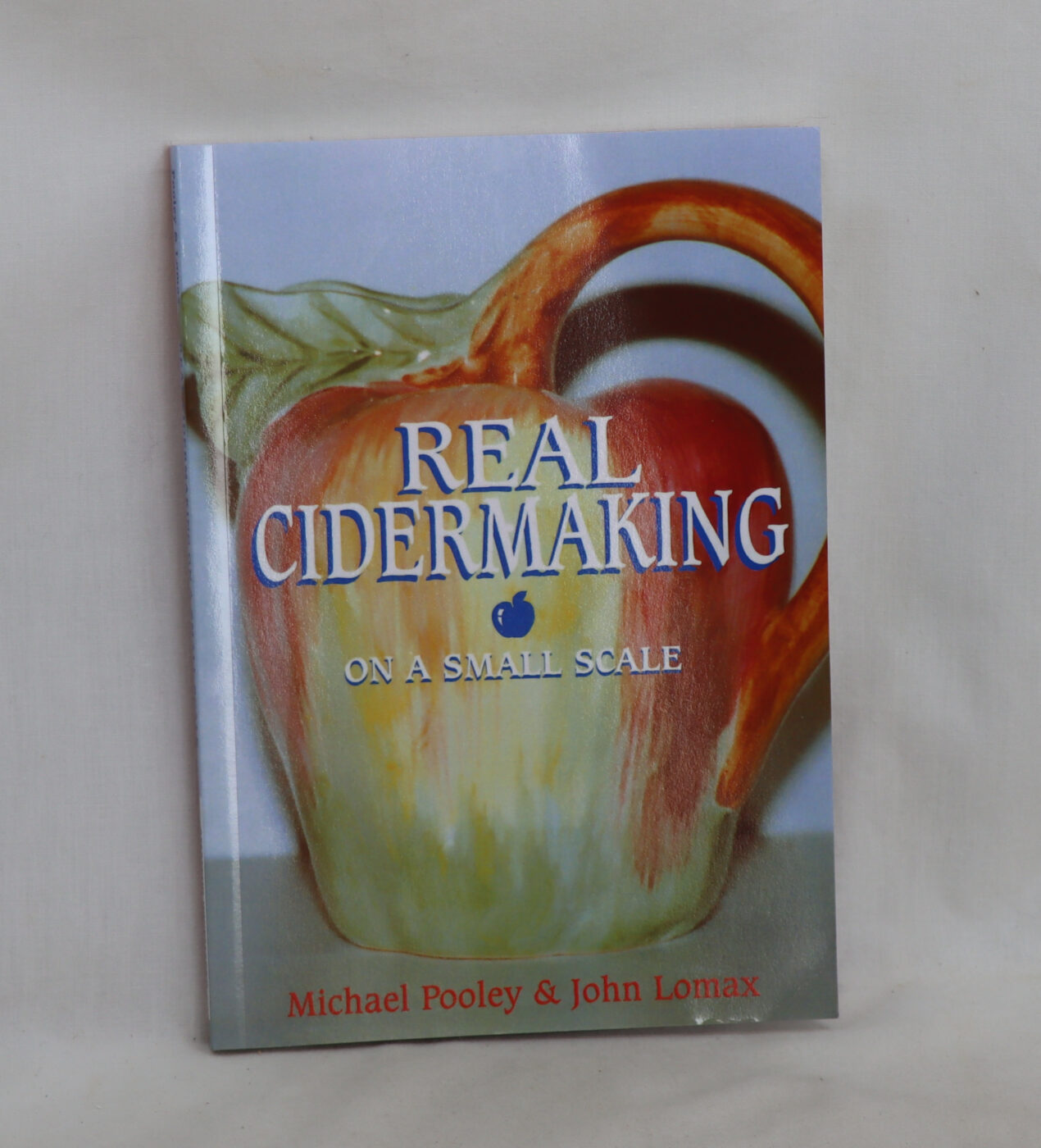
Paperback. blue and red cover with white title.
We provide an in-depth photographic presentation of this item to stimulate your feeling and touch. More traditional book descriptions are immediately available
- A £2 reduction when collected from FBA shop
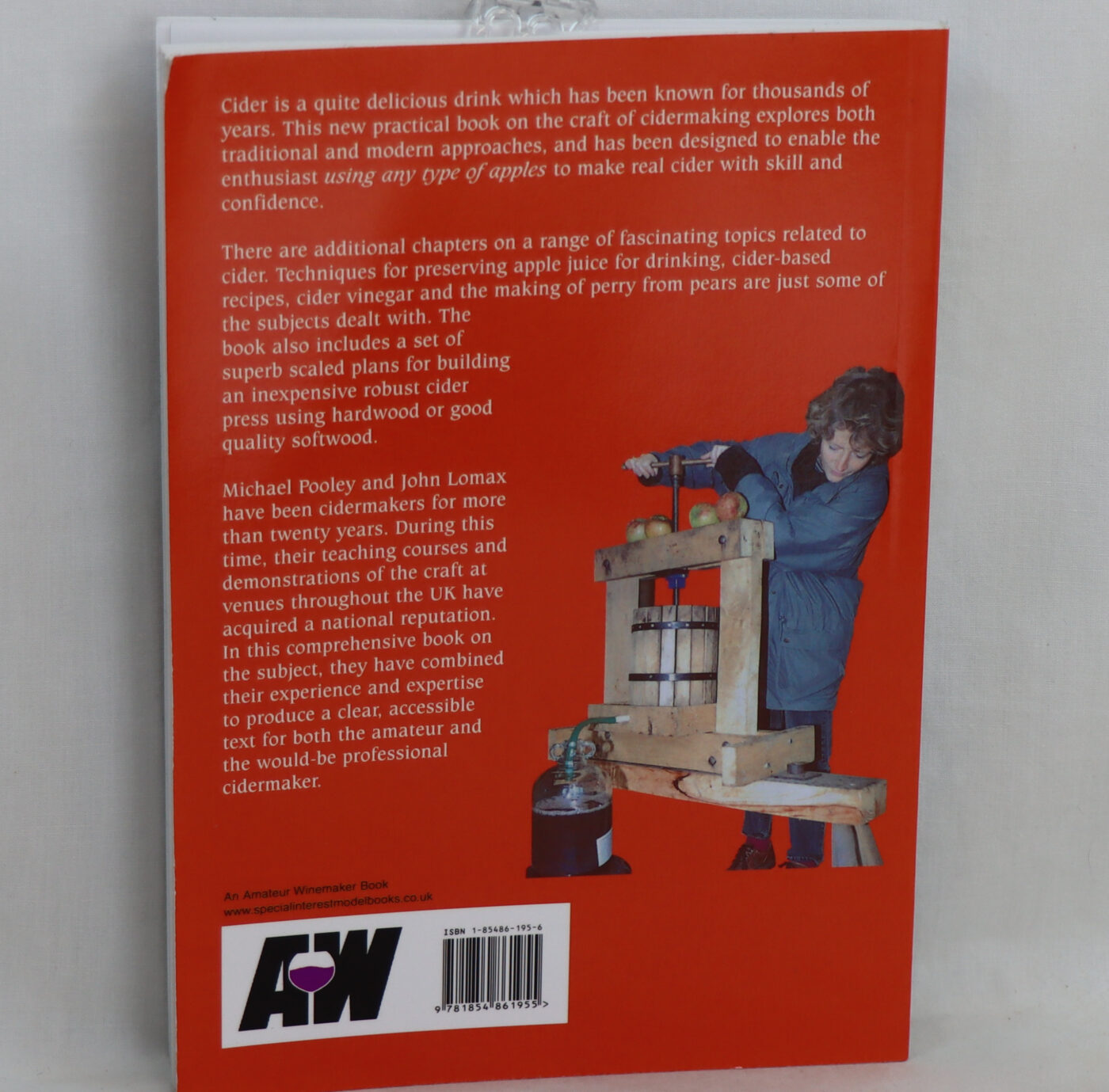
Cidermaking is part of a rich tradition that dates back hundreds of years. Now you can make yourself a part of this tradition by becoming an at-home cider maker. Real Cidermaking on a Small Scale will teach you everything you need to know about the process of making hard cider from any kind of apple. Inside, you will learn how to build your own cider press, how to ferment the cider, and how to store it for enjoyment year-round. You will also discover delicious recipes, tips for preserving apple juice that you don’t want to ferment, and instructions for making perry, or pear cider. Whether you plan on using apples from the tree in your backyard or from the local supermarket, you are sure to be satisfied with the results. Don’t miss your chance to become a cidermaking expert and enjoy the rewards of your labor all year long.
NOTE: This is an original book from the library gathered by the famous Cambridge Don, computer scientist, food and wine connoisseur, Jack Arnold LANG. Note: Jack founded the Michelin Guide ‘Midsummer House’- Cambridge’s paramount restaurant. This dining experience is hidden amongst the grassy pastures and grazing cattle of Midsummer Common and perched on the banks of the River Cam.
In 2008, Jack was one of the co-founders of the Raspberry Pi Foundation, alongside other members of the Department, and acted as the Foundation’s Chair. The project’s original goals were modest: to build and distribute low-cost computers for prospective applicants to our Computer Science degree. Initially the project was a “success disaster”, as Jack would say, as demand far outstripped the low-scale manufacturing plans. Ultimately the Raspberry Pi became the UK’s most successful computer with more than 60 million sold to date. Jack was drawn to the educational possibilities of the Raspberry Pi, its potential uses in emerging economies and the way it could support self-directed learning.
Want to know more about this item?
We are happy to answer any questions you may have about this item. In addition, it is also possible to request more photographs if there is something specific you want illustrated.
Ask a question
Related products








Share this Page with a friend
