
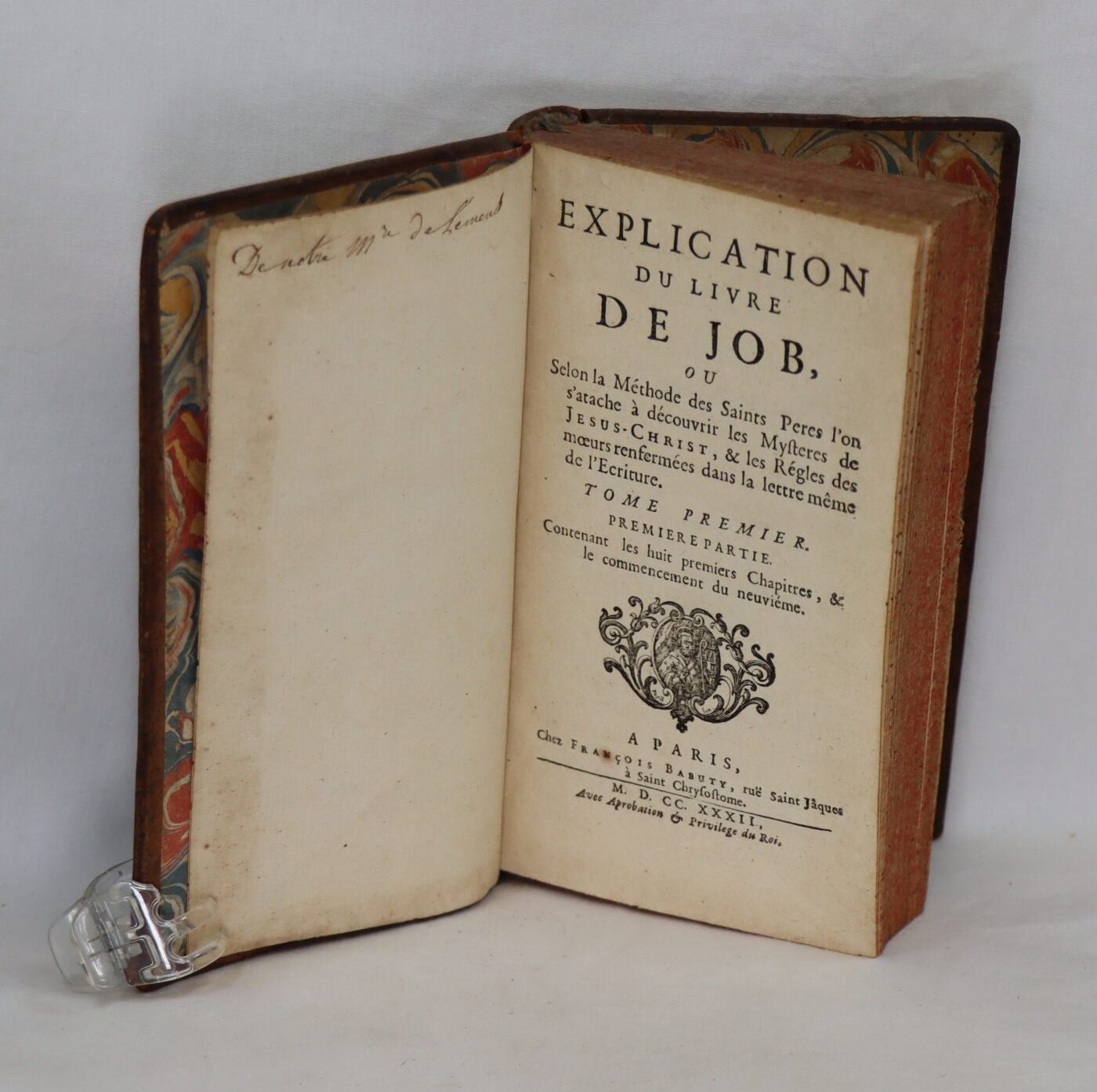
Explication Du Livre de Job. Tome Premiere.
Printed: 1732
Publisher: Chez Francois Babuty. Paris
| Dimensions | 11 × 17 × 3 cm |
|---|---|
| Language |
Language: French
Size (cminches): 11 x 17 x 3
Condition: Fair (See explanation of ratings)
£36.00
Buy Now

Item information
Description
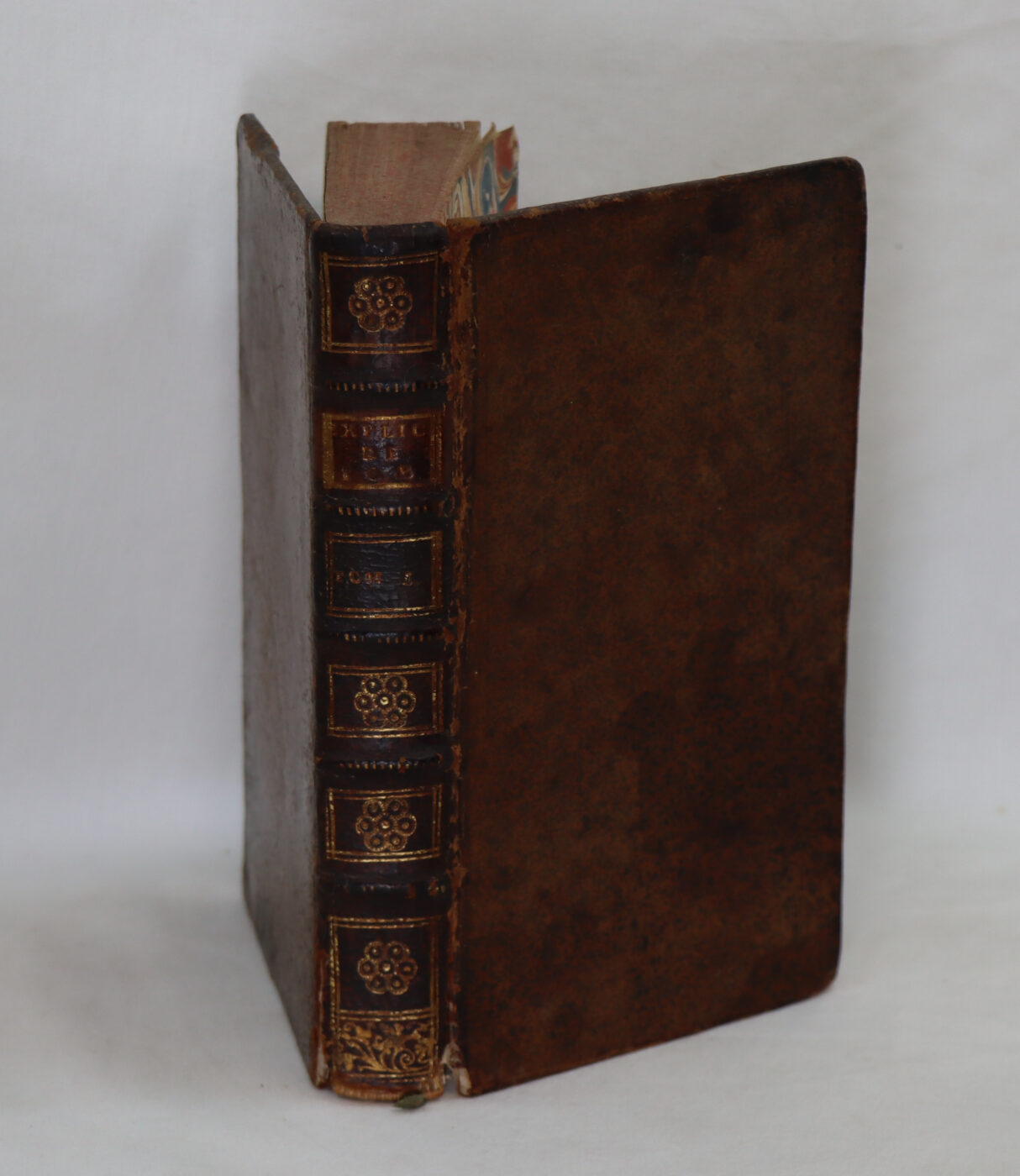
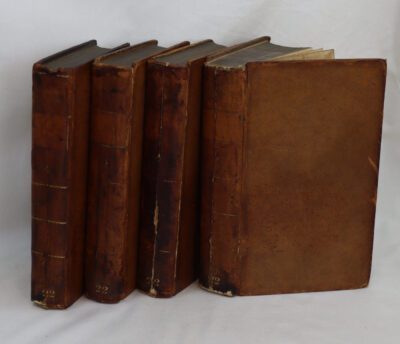
Brown leather binding with raised banding, red and green title plates, gilt title and decoration on the spine.
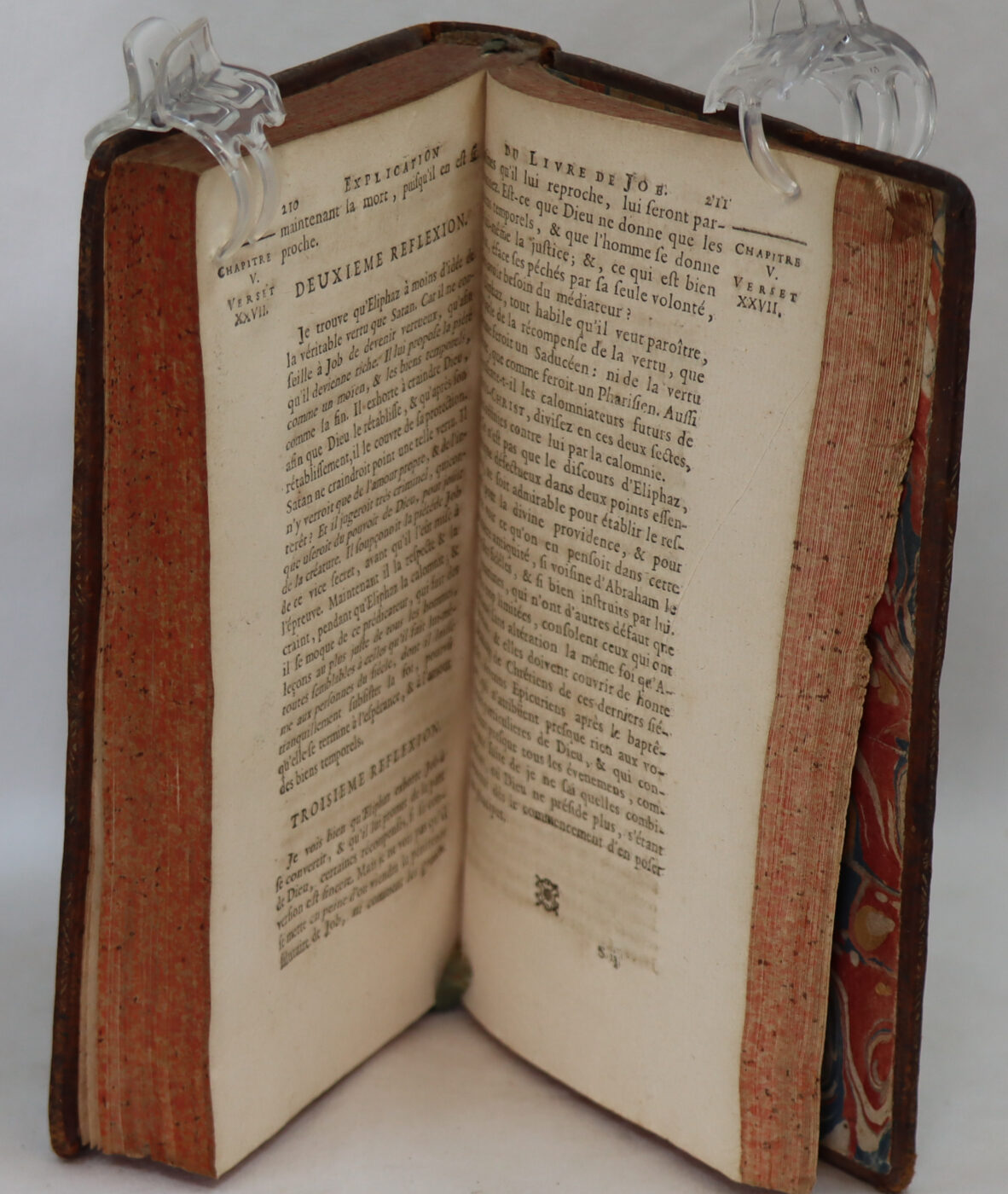
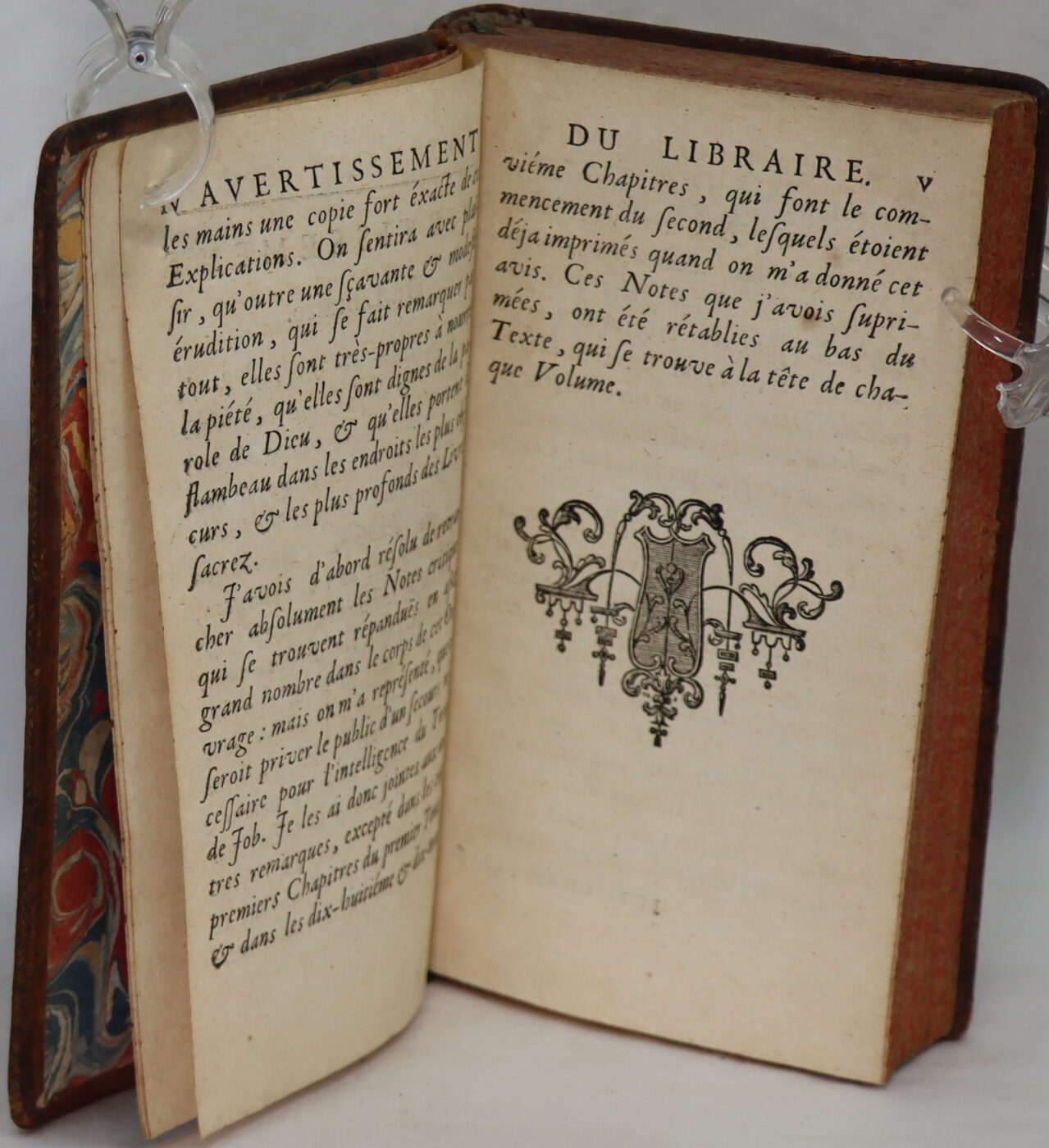
We provide an in-depth photographic presentation of this item to stimulate your feeling and touch. More traditional book descriptions are immediately available.
-
Note: This book carries a £5.00 discount to those that subscribe to the F.B.A. mailing list
Please view our photographs. This is a well kept book with few faults given its age. Had this book been in a more popular topic such as farming then it would have commanded a price of some £140.00.
Explication du Livre de Job, ou selon la Méthode des Saints Pères (Volume 1, 1732) is a prominent 18th-century Jansenist-leaning theological commentary written primarily by the French theologian Jacques-Joseph Duguet (and co-authored or edited alongside Louis-Joseph Bidal d’Asfeld), printed in Paris by François Babuty.
Book Overview
-
Full Title: Explication du Livre de Job, ou selon la Méthode des Saints Pères, l’on s’attache a découvrir les Mysteres de Jésus-Christ, & les Régles des moeurs renfermées dans la lettre même de l’Ecriture.
-
Authors: Jacques-Joseph Duguet (1649–1733).
-
Publisher: François Babuty (located on Rue Saint-Jacques, Paris).
-
Publication Year: 1732.
-
Language: French.
Core Themes & Context
-
Patristic Method: The text follows the traditional exegetical approach of the early Church Fathers (Saints Pères), reading the Old Testament narrative through a Christological lens.
-
Spiritual Morality: It focuses heavily on extracting moral rules, inner conversion, and lessons on human suffering and divine providence from the Book of Job.
-
Jansenism: Duguet was a key figure among later French Jansenists and Port-Royal sympathizers; his commentaries emphasize deep grace, penance, and strict Christian morality.
Jacques-Joseph Duguet (December 9, 1649 – October 25, 1733) was a prominent French theologian, Oratorian priest, and moralist writer. He is best known as a leading figure in the Jansenist movement, noted for his extensive spiritual and scriptural writings, as well as his strict adherence to Augustinian theology.
Life and Background
-
Born in Montbrison, France.
-
Entered the Congregation of the Oratory in 1667 and was ordained a priest in 1677.
-
Refused to sign the anti-Jansenist papal decree (Le Formulaire) mandated by Louis XIV, leading to his departure from the Oratory in 1686.
-
Spent much of his later life in quiet retirement in Paris, engaging in theological correspondence and pastoral direction.
Major Works and Thought
-
Wrote extensively on grace, morality, interior reform, and scripture.
-
Authored Règles pour l’intelligence des Saintes Écritures (1716), which helped shape the “figurisme” hermeneutic style.
-
Published widely read spiritual texts including Traité des scrupules (1718) and multi-volume collections of letters on piety and morality.
-
Wrote political-moral treatises such as Institution d’un prince (1739), detailing the duties of a sovereign.
Jansenism was a 17th- and 18th-century Christian theological movement within the Catholic Church, rooted in the writings of Dutch bishop Cornelius Jansen, particularly in his book Augustinus published in 1640, which emphasized the necessity of divine grace and the limited role of human free will in salvation, drawing heavily on the doctrines of Augustine of Hippo. It emerged primarily in France and the Netherlands as a rigorist reaction against perceived moral and theological laxity associated particularly with the Society of Jesus.
Jansenists provoked lively debates, particularly in France, where five propositions, including the doctrines of limited atonement and irresistible grace, were decried as heretical by theologians hostile to Jansen. In 1653, Pope Innocent X condemned five ideas from Jansenism in the apostolic constitution Cum occasione, which made Jansenism officially heretical. Jansenists became linked to opposition to the French monarchy. This made them a target of King Louis XIV and pope Clement XI, who took strong actions against them. In 1708, the Abbey of Port-Royal, a center of Jansenist thought, was closed. In 1713, Clement XI issued the bull Unigenitus, which further condemned Jansenist teachings.
Want to know more about this item?
We are happy to answer any questions you may have about this item. In addition, it is also possible to request more photographs if there is something specific you want illustrated.
Ask a question
Related products

Share this Page with a friend
