
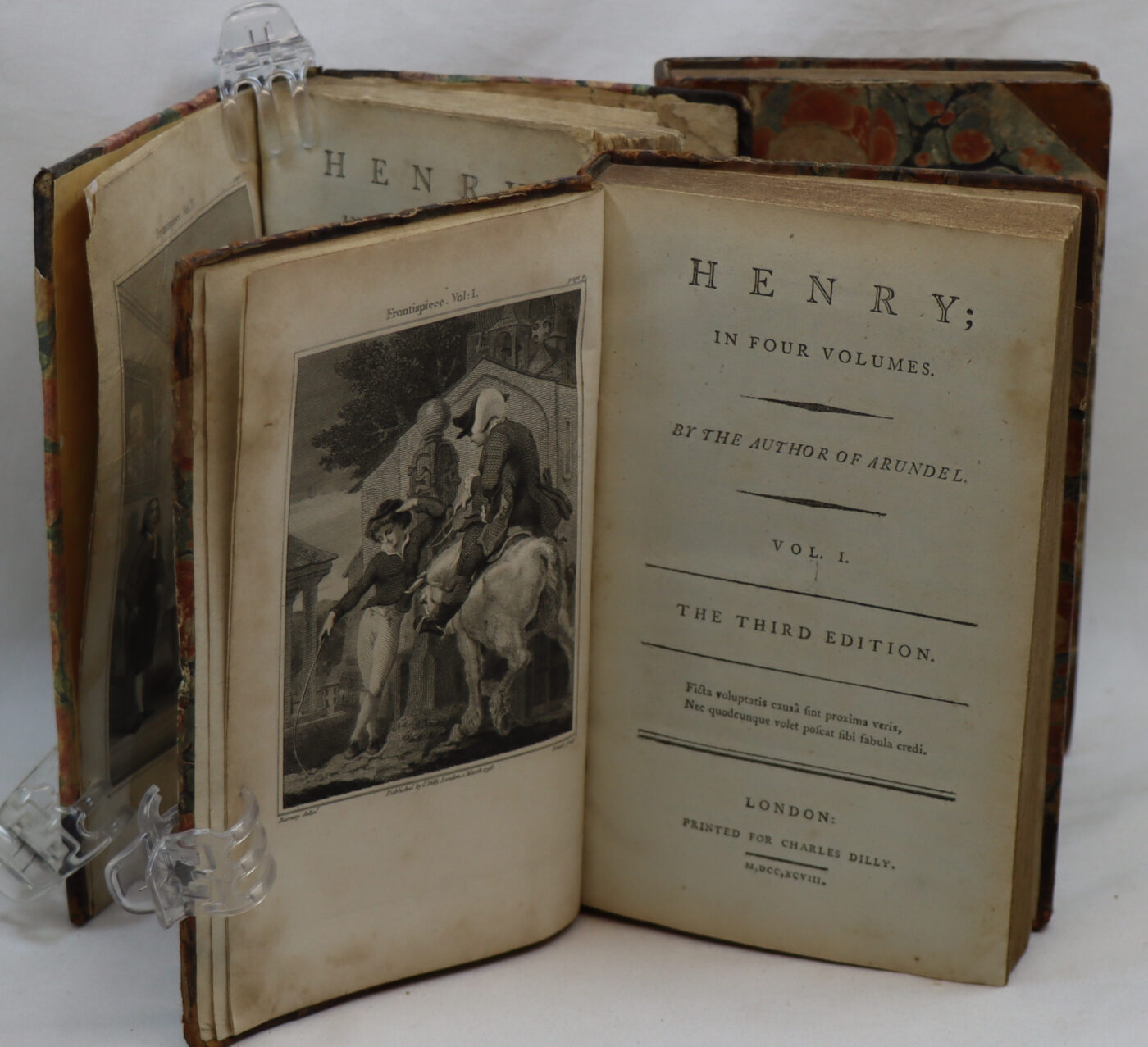
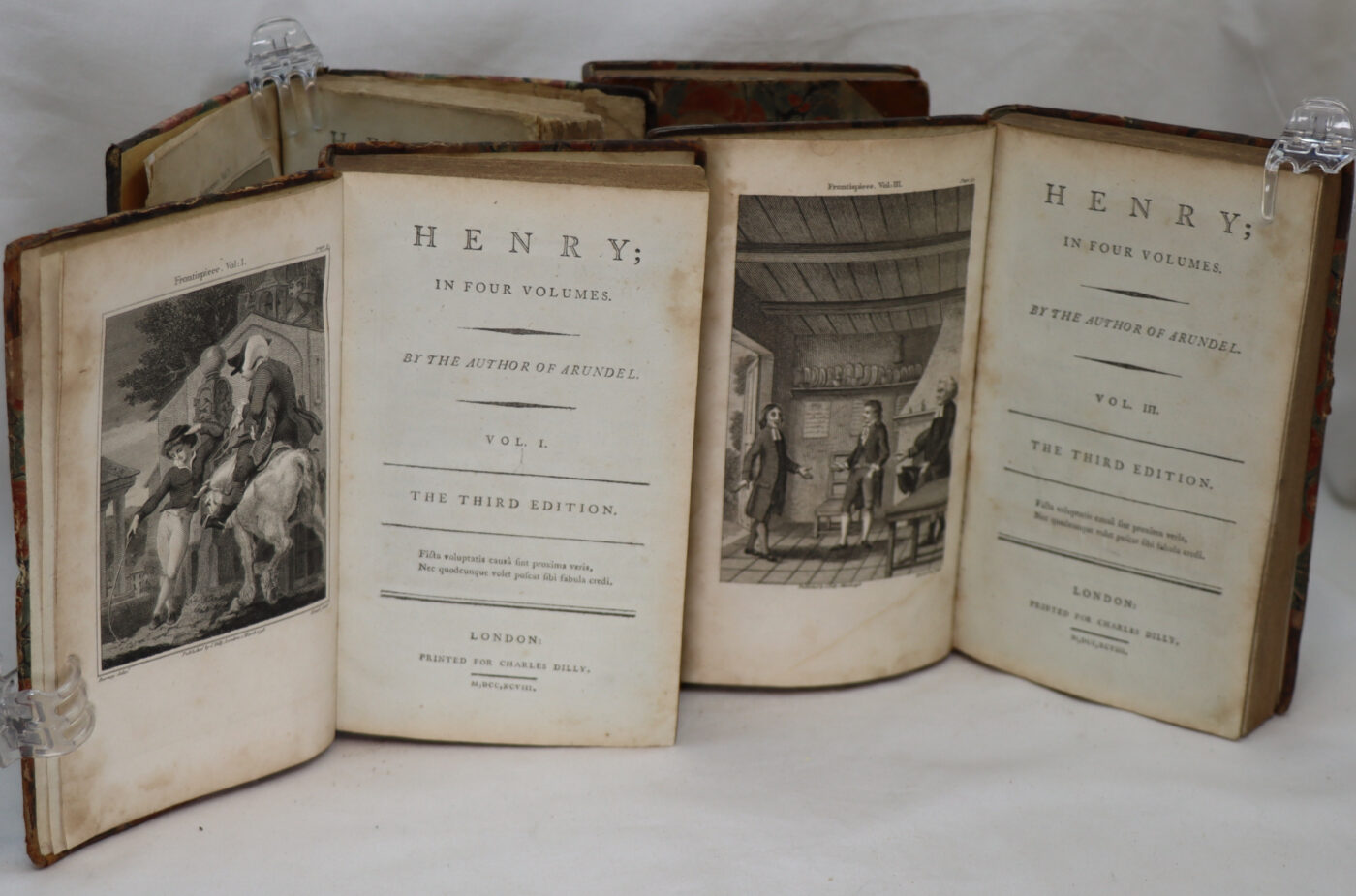
Henry. In Four Volumes.
By Richard Cumberland
Printed: 1798
Publisher: Charles Dilly. London
| Dimensions | 11 × 18 × 2 cm |
|---|---|
| Language |
Language: English
Size (cminches): 11 x 18 x 2
Condition: Good (See explanation of ratings)
£294.00
FREE shipping
Buy Now

Item information
Description
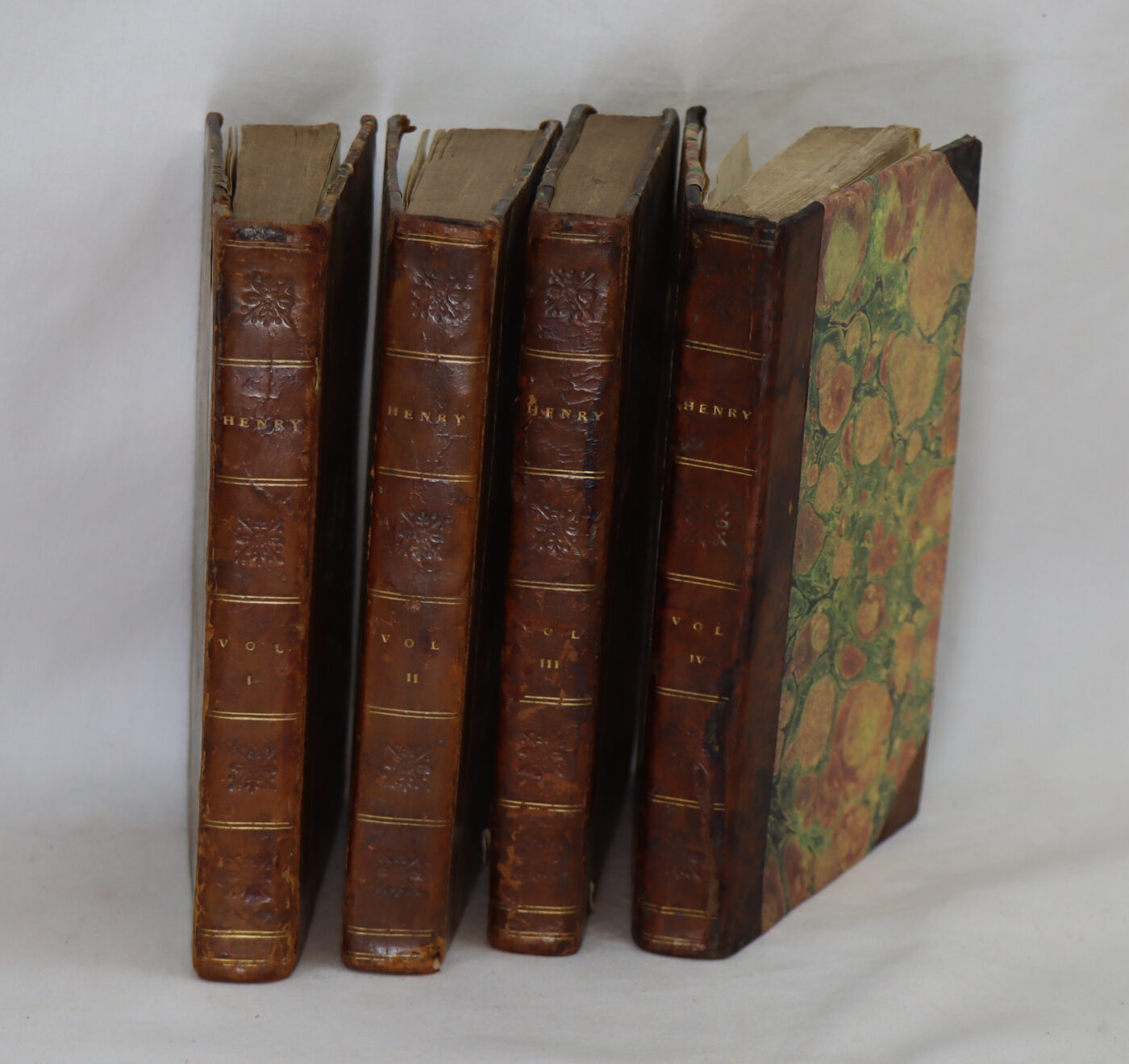
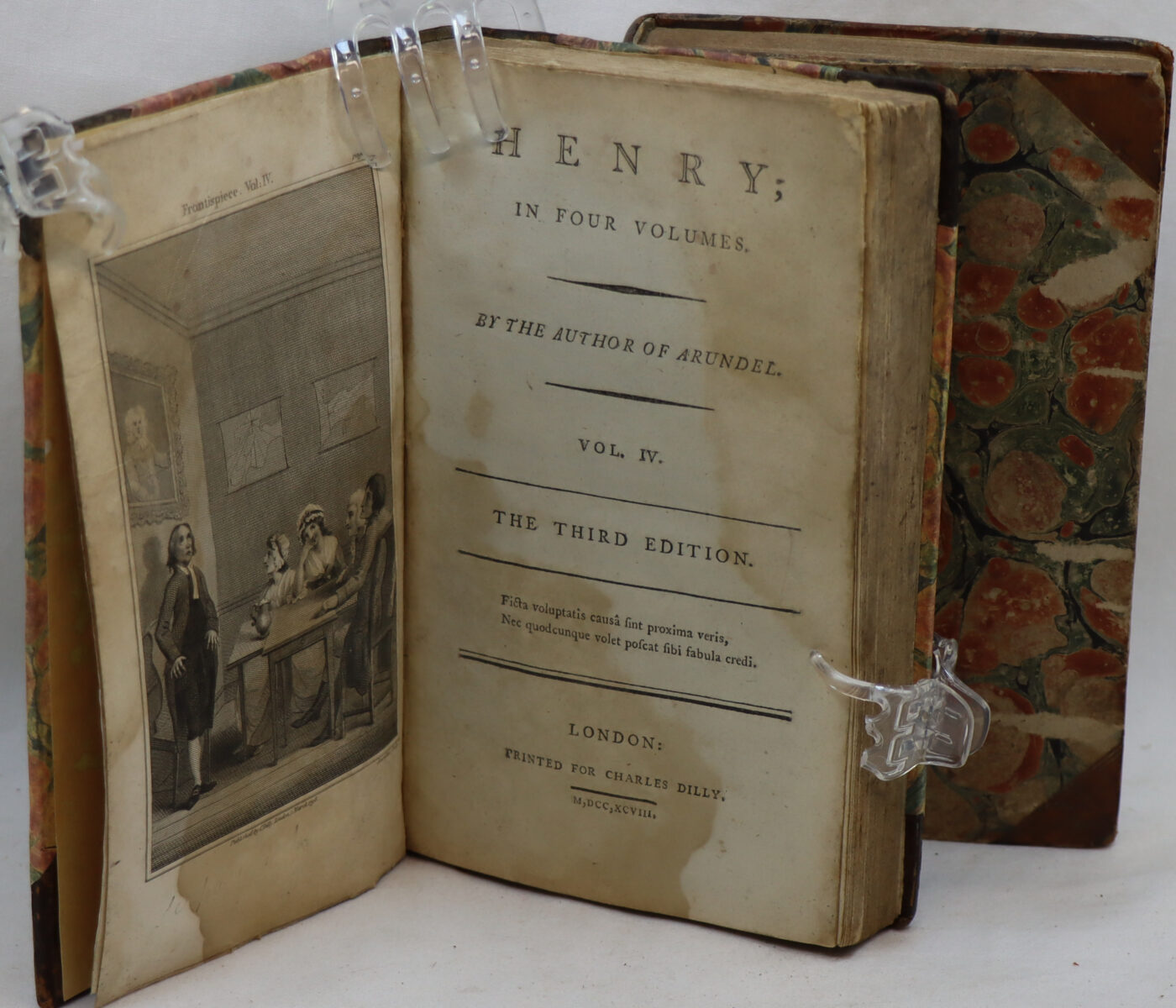
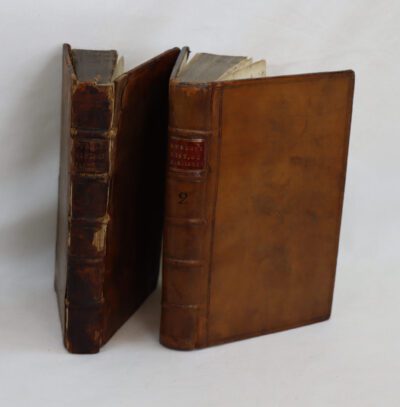
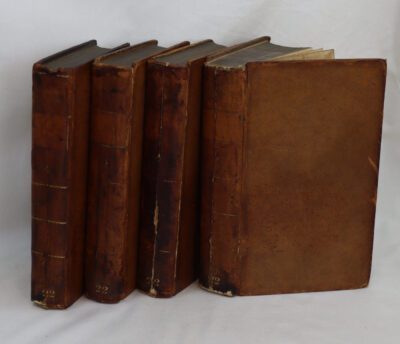
Brown calf binding with gilt banding and title on the spine. Volume IV has wine damage, other volumes good.
Dimensions are for one volume.
We provide an in-depth photographic presentation of this item to stimulate your feeling and touch. More traditional book descriptions are immediately available.
-
Note: This book carries a £5.00 discount to those that subscribe to the F.B.A. mailing list
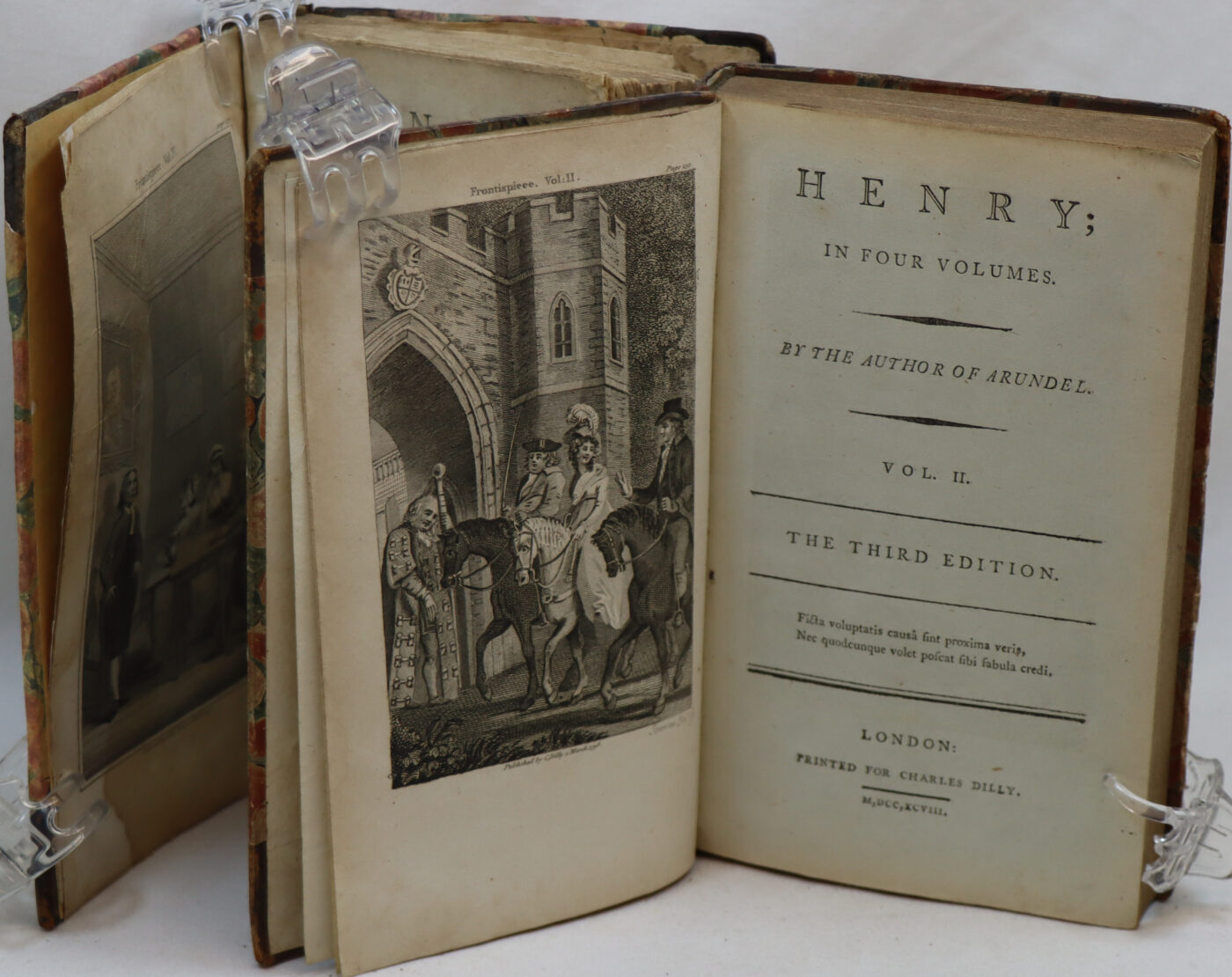
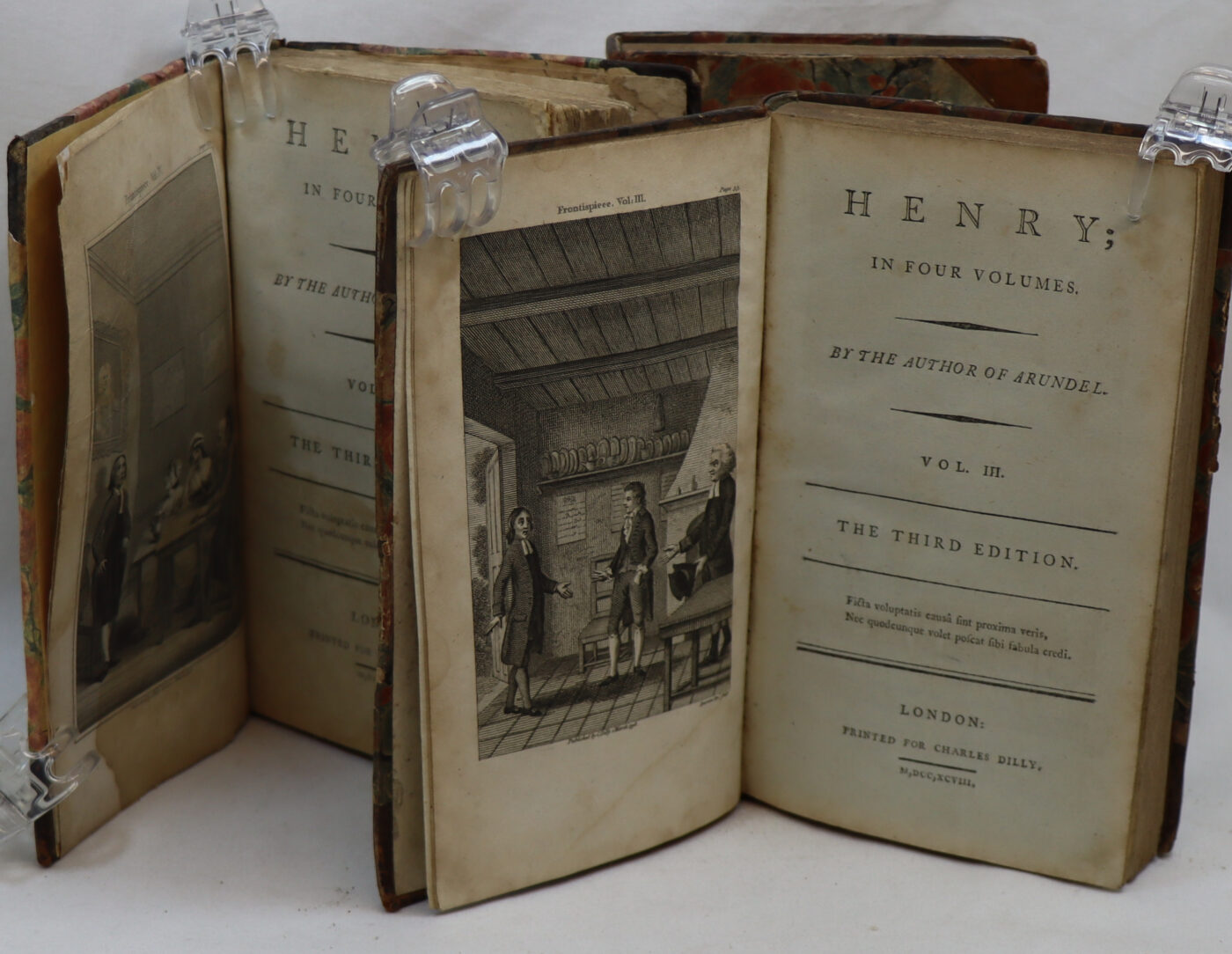
Please view our photographs. In the original bindings with a few aging signs especially from an early spill of white wine. Otherwise these volumes are good and remain highly readable.
Henry (1798) is a four-volume English novel written by Richard Cumberland (notated as “by the author of Arundel”) and printed in London by Charles Dilly. It is a picaresque style comic and sentimental novel following the life and discovery of a foundling named Henry.
Book Details
-
Title: Henry: In Four Volumes
-
Author: Richard Cumberland (1732–1811)
-
Year: 1798
-
Publisher: Charles Dilly (London)
-
Language: English
Key Facets of the Work
-
Format: Issued across four 12mo (12mo) duodecimo volumes.
-
Authorship: Originally published anonymously or credited pseudonymously as “by the author of Arundel” (Cumberland’s earlier 1789 novel).
-
Genre/Style: Eighteenth-century domestic and comic fiction mirroring traditions of Fielding with a strong focus on morality, social class, and benevolence.
Richard Cumberland (19 February 1731/2 – 7 May 1811) was an English dramatist and civil servant. In 1771 his hit play The West Indian was first staged. During the American War of Independence he acted as a secret negotiator with Spain in an effort to secure a Spanish peace agreement with Britain. He also edited a short-lived critical journal called The London Review (1809). His plays are often remembered for their sympathetic depiction of characters on the margins of Britain and its empire.
Charles Dilly (1739–1807) was an English publisher and bookseller. He was born 22 May 1739 at Southill, Bedfordshire, in a yeoman family. After making a short trip to America, he returned to London, his elder brother Edward, took him into partnership, and the business was carried on under their joint names. The brothers published James Boswell’s Life of Johnson (first three editions), Tour to the Hebrides, and An Account of Corsica, Lord Chesterfield’s Miscellaneous Works, and other standard books. They were also hospitable at The Poultry, and gave dinners described in the memoirs of the period. Samuel Johnson was frequently their guest, and had his famous meeting with John Wilkes at their table, 15 May 1776; with whom he dined a second time with them, 8 May 1781. Other frequent guests were Richard Cumberland, Oliver Goldsmith, John Hoole, Vicesimus Knox, Samuel Parr, Joseph Priestley, Isaac Reed, Samuel Rogers, Sutton Sharpe and James Thomson were among the frequent dinner guests. On the death of his brother Edward in 1779, Charles Dilly continued the business alone, and kept up the social life for which the two had been famous. He was invited to become an alderman for the ward of Cheap in 1782, but retired in favour of Boydell. A plea of nonconformity excused him from the office of sheriff of London. In 1803 he was master of the Stationers’ Company.
Last years: After a prosperous career of more than 40 years, Dilly retired in favour of Joseph Mawman, who had been in business in York. He continued literary dinner-parties at his new house in Brunswick Row, Queen Square, and lived there a few years before his death, which took place at Ramsgate, while on a visit to Richard Cumberland, on 4 May 1807. He was buried 12 May, in the cemetery of St. George the Martyr, Queen Square. He left a fortune of nearly £60,000.
Politics: dissenter, belonged to the Club of Honest Whigs circle, and was a member of the Society for Constitutional Information.
Condition notes
One volume stained
Want to know more about this item?
We are happy to answer any questions you may have about this item. In addition, it is also possible to request more photographs if there is something specific you want illustrated.
Ask a question
Share this Page with a friend
