
The Doctrine of the Buddha.
By George Grimm
Printed: 1958
Publisher: Akademie Verag. Berlin
| Dimensions | 18 × 24 × 3 cm |
|---|---|
| Language |
Language: English
Size (cminches): 18 x 24 x 3
Condition: Good (See explanation of ratings)
£47.00
Buy Now


Item information
Description
Tan cloth binding with brown title on the spine and front board.
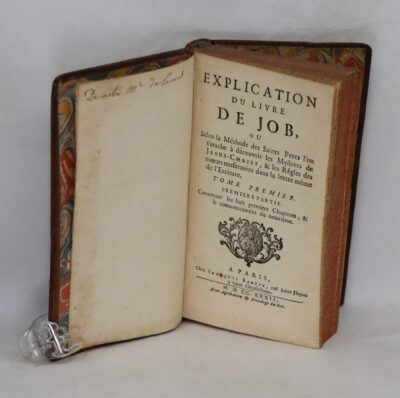
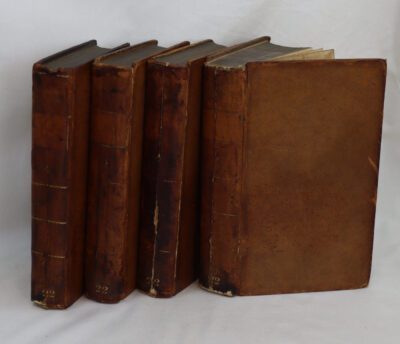
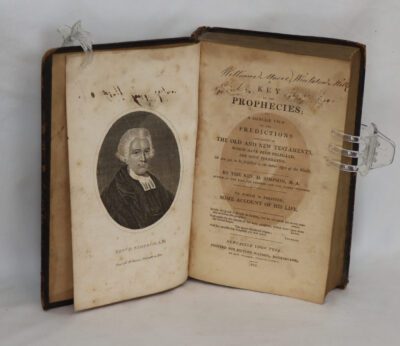
We provide an in-depth photographic presentation of this item to stimulate your feeling and touch. More traditional book descriptions are immediately available
-
Note: This book carries a £5.00 discount to those that subscribe to the F.B.A. mailing list
Please view the photographs: A quality book.
The Doctrine of the Buddha is the fruit of George Grimm’s intensive studies and practical realization of the Buddha’s teaching on the nature of reality and the self. First published in German in 1915. With abundant references to the Pali Nikayas, the oldest Buddhist scriptures, the author masterfully lays out the core of the original Buddhist doctrine, showing how key ideas like Anatta or “not-self” have been grossly misunderstood and misinterpreted by subsequent generations. The Doctrine of the Buddha is essential reading for students of Buddhism and for all seekers of Truth.
Review: I’m giving it 5 stars simply because it’s difficult to get a book with a different interpretation of the doctrine of “anatta/anatman”. This is the only book I can find from the few scholars with a different view on this topic. Although through my personal research, I have already accepted and agreed with this point of view, I do find the book difficult to read. Maybe it’s because of the time this book was written i.e. it’s the writing style when it was published. Also:
– He compared Buddhist teaching to Schopenhauer a lot.
– This book is not for beginners. It assumes that you’re familiar with Buddhist concept beforehand.
– It has different translation than the common translation; e.g “The Noble Truths” as “The Most Excellent Truths” etc.
– He translated from Buddhist scriptures using the language of The King James Bible like “thou, ye, etc.”
– There’s also lots of Latin phrases which he compares to Buddhist terminology without explaining the term first. He assumes that the reader is familiar with such phrases.
– There are few typo mistakes like “. and , ” etc.
If you want to read about the arguments on “anatta/anatman”….go to page 102 to 160 and the Appendix at the end of the book.
I’m looking forward to re-reading this book in the future again and hope I will understand it better!
Want to know more about this item?
We are happy to answer any questions you may have about this item. In addition, it is also possible to request more photographs if there is something specific you want illustrated.
Ask a question
Related products

Share this Page with a friend
