
The Last Ditch.
By David Lampe
Printed: 1968
Publisher: G P Putnam's Sons. New York
Edition: First American edition
| Dimensions | 15 × 23 × 3 cm |
|---|---|
| Language |
Language: English
Size (cminches): 15 x 23 x 3
Condition: Fine (See explanation of ratings)
£50.00
Buy Now


Item information
Description
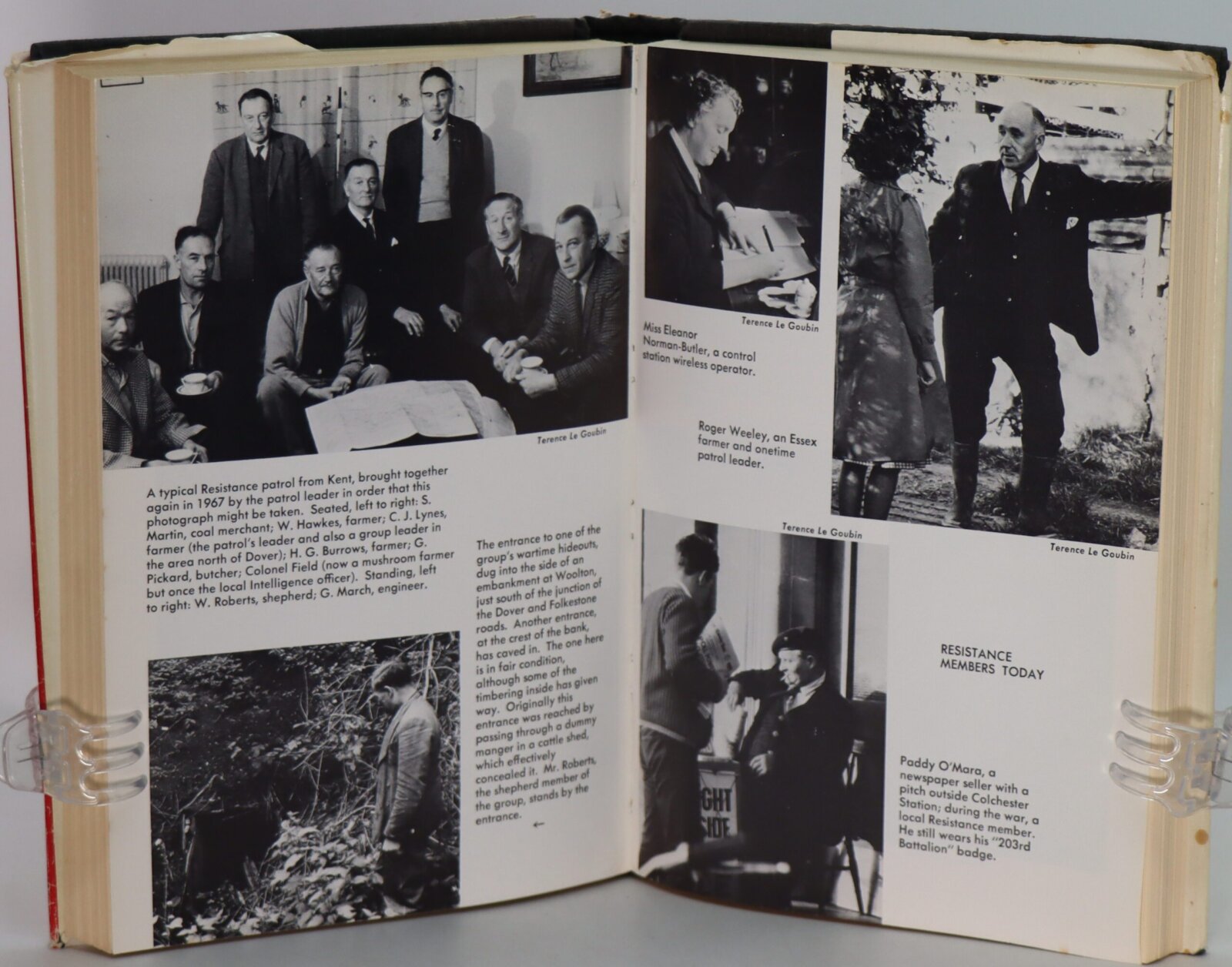
In the original dustsheet. Black cloth binding with gilt title on the spine.
F.B.A. provides an in-depth photographic presentation of this item to stimulate your feeling and touch. More traditional book descriptions are immediately available.
-
A must have!
Novelists, playwrights and theorists have often toyed with the question of what would have happened if the Germans had occupied Britain in 1940. This compelling study reveals exactly what was intended by both sides. The Last Ditch investigates the German plans and the countermeasures undertaken through the specially formed British Resistance Organisation. German draft decrees reveal the occupation would have been extraordinarily harsh. Few would have escaped oppression. There would have been mass deportation, wholesale appropriations of the country’s agricultural, mineral and industrial produce, and widespread arrests, as revealed in the notorious Gestapo Arrest List reprinted here in full. What would the British have done? During the darkest days after Dunkirk, a clandestine resistance movement, innocuously named the Auxiliary Units, sprang into being. Its function would have been to carry out guerrilla warfare against the Germans. British civilians were trained to spy, sabotage and kill; hide-outs were established; caches of arms and explosives were hidden; and a resistance wireless network was created. Although they never went into action, the resistance was ready and waiting: the last ditch of Britain’s defence. So successful was their organisation that they became the model for underground movements all over occupied Europe. In telling this story, Lampe relates one of World War II’s best-kept secrets and offers insight into what might have been. After serving with the US Army in Europe during World War II, David Lampe returned to Great Britain as a USAF reservist. Gary Sheffield is Professor of War Studies at the University of Birmingham. He is author of The Somme and the forthcoming Citizen Army.
Review: Originally published in 1968, first editions of this thrilling and informative book often change hands amongst dealers for up to £100, so its long awaited reprint may cause a market slump. However, 40 years on, and despite much new research and the release of once sensitive documents, The Last Ditch still remains highly readable and valid.
Chronicling the story of the Auxiliary Units, Britain’s highly secret resistance organisation set up during the Nazi invasion threat of summer 1940, Lampe’s book was for many years the sole work on this subject. Although the Auxunits had been written about previously, Lampe’s book was the first publication to tell their story in detail. Lampe was well placed to do so: after WW2 service in the American military, he had written a book on the Danish resistance.
The Auxiliers had been sworn to a lifetime of secrecy and when the Last Ditch was originally published, many of the details Lampe revealed were then still sensitive. This has even led to the suggestion since, that Lampe’s work was a controlled leaking by MI5, in an attempt to suggest that the underground network had been wound up in 1944 (- it hadn’t really: similar units called Gladios existed throughout the Cold War to counter a Soviet invasion).
Although the Last Ditch is largely anecdotal – there are no footnotes or detailed sources – Lampe’s work is still very powerful. He tracked down many of the main protagonists on both sides, from Auxunit officers and patrol members to the sinister Gestapo members who would have occupied Britain and put their terror machine into operation.
The appendices are also very useful, listing county by county the Auxunit Group Leaders and Intelligence Officers, plus their locations.
The final section is the `Gestapo Arrest List for Great Britain’, a hotchpotch inventory containing the names and addresses of everyone the Nazis wished to `have a word with’ on their arrival, from famous politicians and celebrities to penniless European refugees who had fled their tormentors.
Interestingly, the creators of this blacklist appear to have been under the same time constraints as those on the other side of the Channel rushing to form the Auxunits. The list has numerous mistakes, some amusing, such as the suburb of `Frien Darnet’. Alternatively there are glaring errors: the death of famous Jewish psychiatrist Sigmund Freud had been reported worldwide in 1939, yet he still made it onto the list.
The Last Ditch remains essential reading although it should be read in conjunction with John Warwicker’s (‘New Testament’) ‘With Britain in Mortal Danger’, which is essentially an update of Lampe’s work.
Condition notes
Dustsheet worn
Want to know more about this item?
We are happy to answer any questions you may have about this item. In addition, it is also possible to request more photographs if there is something specific you want illustrated.
Ask a question
Related products

Share this Page with a friend
